
.webp)
Supergirl arrived with enormous expectations, but much of the early conversation has focused less on Kara Zor-El herself and more on the film's creative direction. Across reviews and fan discussions, audiences have debated whether certain choices around dialogue, pacing, and characterization prevented the movie from reaching its full potential. While reactions remain divided, the ending has become one of the film’s most-discussed elements and has sparked wider conversations about the future of DC Studios.
Despite the mixed reactions surrounding the film itself, Milly Alcock’s performance has emerged as one of its most widely discussed elements. Following her television breakthrough, she stepped into one of DC’s highest-profile roles and delivered a version of Kara that many viewers praised for its emotional intensity. That response has also fueled a broader question among audiences: would the film have resonated more strongly with a different creative approach?
Ana Nogueira Screenplay Freedom And Clark Kent Dialogue Revisions
One of the more discussed creative details from Supergirl’s press coverage involved how James Gunn and screenwriter Ana Nogueira approached the differences between Clark Kent and Kara Zor-El. During the film's press tour, Nogueira explained that Gunn was especially protective of Superman's voice, stepping in whenever Clark's dialogue drifted away from the compassionate, patient hero fans know. His feedback was simple but clear: "He wouldn't say that to her." Those revisions ensured Clark remained a steady emotional anchor, creating a stronger contrast with Kara's more turbulent personality.
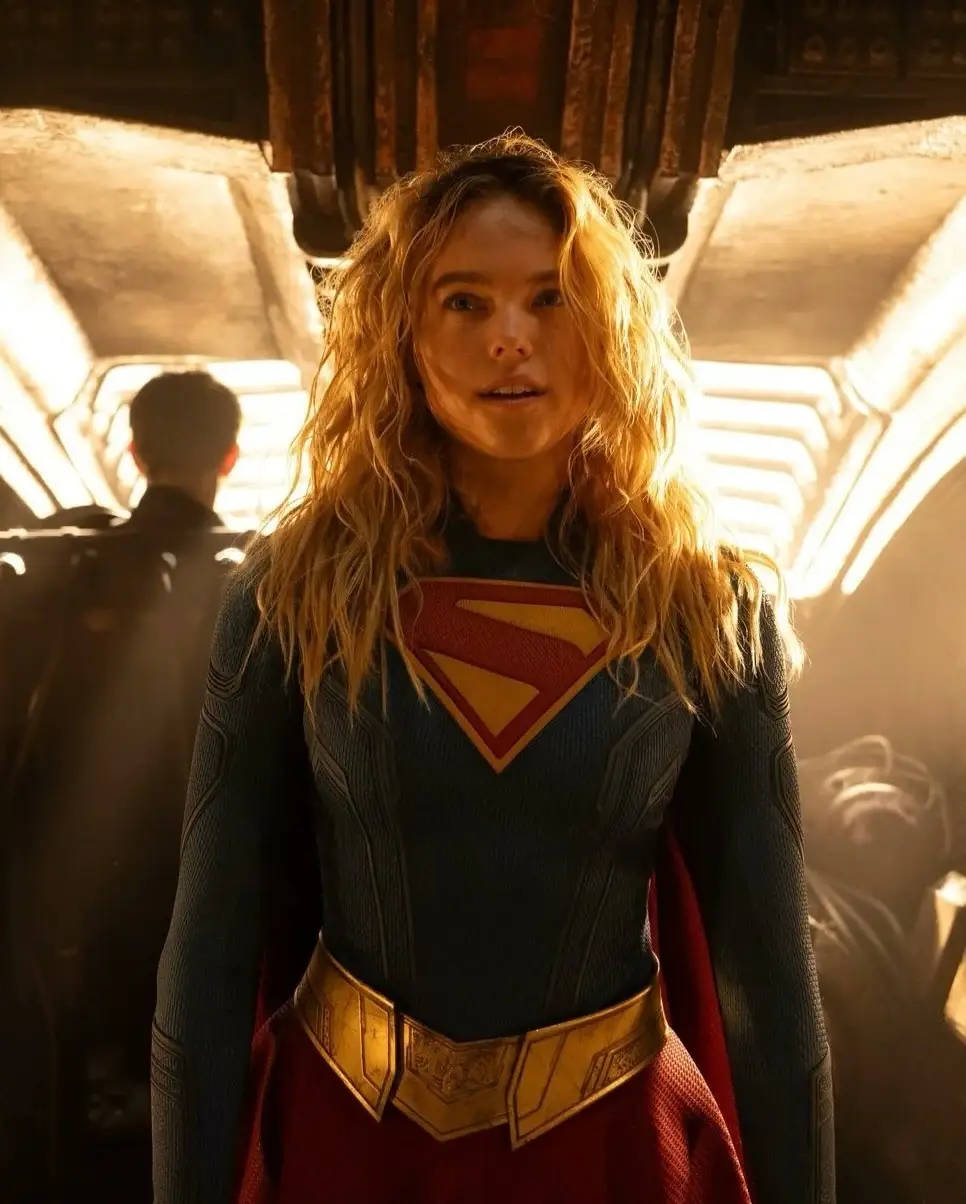
While Clark's dialogue followed a familiar, hopeful tone, Nogueira had much more room to explore Kara's darker emotional journey. She wanted audiences to see a heroine shaped by unimaginable loss rather than a female version of Superman. That creative freedom allowed Kara to be rougher, more rebellious, and emotionally unpredictable, reflecting the trauma of witnessing Krypton's destruction. At the same time, Gunn made sure the film never blurred the line between the two cousins, preserving Superman's optimism while allowing Supergirl to forge her own identity.
Nogueira described Kara as emotionally unresolved and intentionally different from the traditionally optimistic superhero archetype, allowing the film to explore a version of the character shaped more by loss, anger, and uncertainty.
If you love deep dives into massive streaming sensations, check out our breakdown of the Toy Story 5 Release Date, Box Office Predictions, and Joan Cusack’s New Lead Arc Explained
Ultimately, the dialogue revisions were never about limiting Kara's character but about protecting Superman's legacy while allowing Supergirl to stand on her own. Rather than making her "Clark Kent in a skirt," the film presents two heroes shaped by the same planet but transformed by very different experiences. That contrast has become one of the clearest examples of how the film separates Kara’s identity from Superman’s while shaping ongoing discussion around the DCU’s creative direction.
Tom King Comic Book Adaptation And Craig Gillespie Jukebox Template Needle-Drop Backlash
One of the biggest talking points surrounding Supergirl isn't just the story itself but how director Craig Gillespie chose to adapt Tom King's beloved Supergirl: Woman of Tomorrow. During the film's promotion, Gillespie explained that he focused primarily on the screenplay and developed his own visual references rather than relying directly on the comic’s artwork. Instead, he relied entirely on Ana Nogueira's screenplay and created a separate 120-page visual guide, believing it would help him avoid unconsciously copying Bilquis Evely's distinctive artwork.
That creative decision quickly divided the DC fanbase. Many readers praised the movie for capturing the comic's adventurous spirit, while others argued that it lost much of the emotional depth that made Tom King's story so memorable. Some fans felt key aspects of Kara Zor-El's trauma, including elements of her Phantom Zone history, were either minimized or left unexplored, making the cinematic version feel less emotionally impactful than its comic book counterpart.

Another major source of debate was Gillespie's signature filmmaking style, particularly his heavy use of licensed music. Known for films like I, Tonya and Cruella, the director filled Supergirl with alternative rock and indie tracks from artists including Wet Leg, Sleigh Bells, Wolf Alice, and Halsey. While the soundtrack helped establish Kara's rebellious personality and space-western adventure, many viewers felt that the frequent needle drops distracted from the film's most emotional moments rather than enhancing them.
Trending Now: Check out our most-read story of the week, the Spider-Man: Brand New Day Trailer, Release Date, Cast, and Tickets Revealed
The criticism peaked during the movie's climactic final battle. Rather than relying on a traditional orchestral superhero score, the scene features a slow cover of Jimmy Eat World's classic hit, "The Middle." The unexpected music choice immediately sparked heated reactions online, with many fans calling it one of the most jarring needle drops in a recent superhero film. Some critics argued the emotional tone clashed with the action unfolding on screen, turning what should have been a powerful finale into an unintentionally distracting moment.
Behind the scenes, Gillespie revealed that the creative team tested around 45 different songs before settling on the final track. He also confirmed that James Gunn played a key role in approving the song during the final stages of post-production. That revelation fueled further debate, with some fans claiming that Gunn's music-driven style, popularized by the Guardians of the Galaxy films, is becoming a recurring formula across the new DC Universe. Whether viewers loved or hated the choice, the soundtrack has become one of Supergirl's most controversial creative decisions.
Supergirl Plot Explained: Kara Zor-El, Krem, and the Space-Western Story
At its core, Supergirl uses a space-western framework to tell a more personal story about grief, identity, and responsibility. Inspired by Tom King's Supergirl: Woman of Tomorrow, the story opens on Kara Zor-El's 21st birthday as she struggles to cope with the trauma of losing Krypton and living under the shadow of Superman's enormous legacy. Seeking a brief escape from her pain, Kara travels to a planet orbiting a red sun, where her Kryptonian powers are temporarily stripped away. For the first time in years, she can experience life like an ordinary person, spending the night in a rough alien bar while drinking powerful space alcohol in an attempt to numb her grief.
Her quiet night doesn't last for long. Inside the bar, Kara is approached by Ruthye Marye Knoll, a determined young girl searching for someone willing to avenge her father's murder. Ruthye offers Kara a pouch of galactic coins, hoping to hire her as a mercenary, but Kara refuses, wanting nothing more than to be left alone with her drinks and painful memories. That decision quickly changes when danger arrives at the bar's doorstep.
The story's main villain, the ruthless space pirate Krem of the Yellow Hills, enters the picture after brutally murdering Ruthye's father during a raid on her peaceful homeworld. Shortly after crossing paths with Kara and Ruthye, Krem attacks while Kara is still powerless beneath the red sun. Taking full advantage of her weakened state, he wounds Kara's beloved companion, Krypto, with a poisoned arrow before stealing her spacecraft and escaping into deep space. The assault on Krypto becomes the emotional turning point that finally snaps Kara out of her self-destructive spiral.
Determined to save Krypto and bring Krem to justice, Kara joins forces with Ruthye for a dangerous journey across the galaxy. Their mission transforms into a gritty space-western adventure as they chase the pirate from one hostile world to another. Rather than confronting Supergirl directly, Krem relies on traps, dangerous creatures, and deadly environments to stay one step ahead, making every encounter more unpredictable than the last.
The final confrontation delivers one of the story's most powerful moments. Instead of ending with a straightforward superhero victory, Kara and Ruthye are forced to confront difficult questions about justice, revenge, and mercy. Krem's fate leaves a lasting impact on both characters, especially Ruthye, whose understanding of right and wrong is forever changed.
How James Gunn’s Creative Strategy Is Shaping the New DC Universe
As DC Studios co-CEO, James Gunn is walking a difficult line between being a creative filmmaker and a top-level executive. While Peter Safran handles contracts, budgets, and corporate logistics, Gunn focuses on the DC Universe’s creative direction, including story continuity and character consistency. That balance is meant to protect directors from excessive studio interference while keeping the franchise on a clear long-term path.
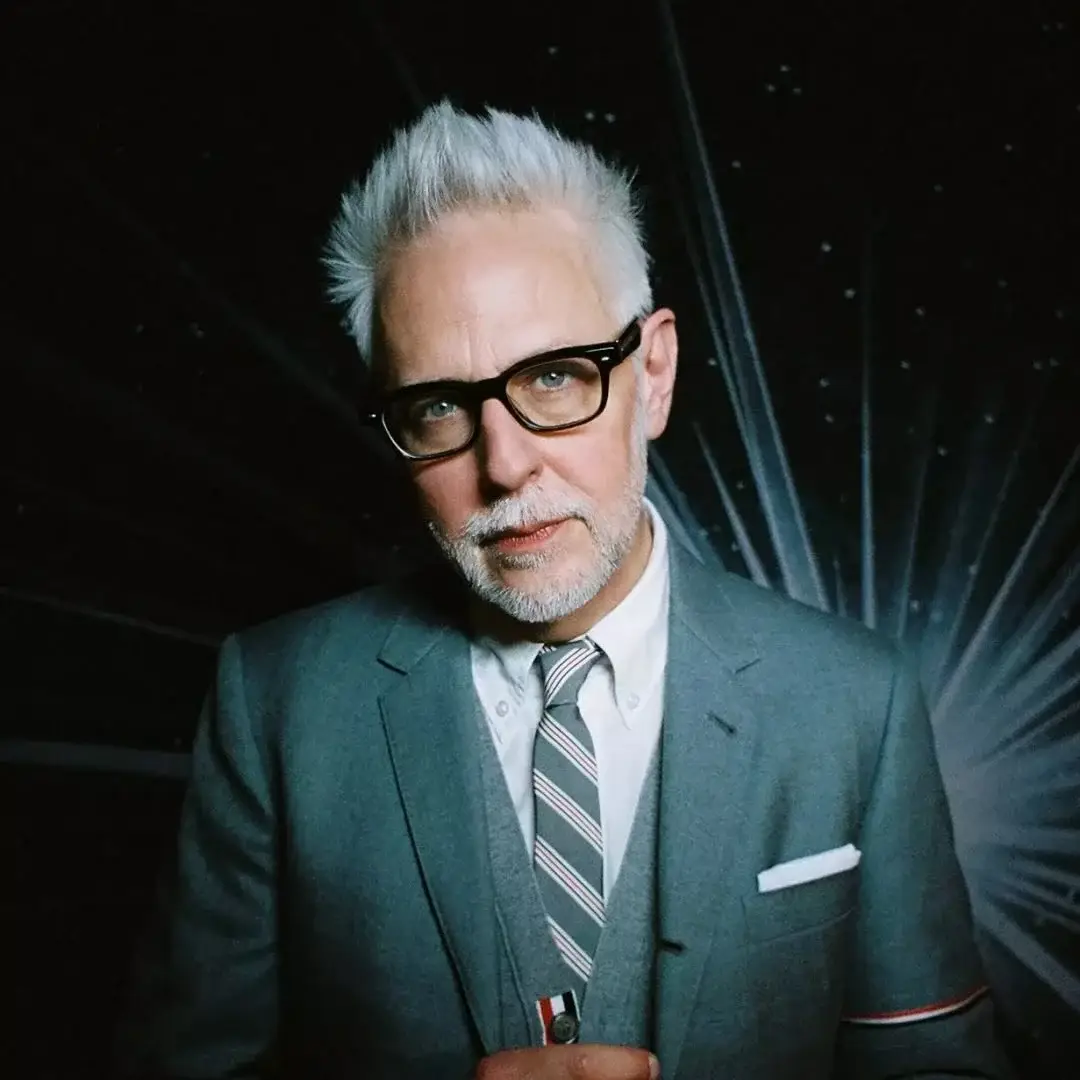
Gunn has repeatedly argued that the real problem in Hollywood is not “superhero fatigue,” but “mediocre movie fatigue.” His strategy for the DCU is to avoid making every project feel the same by embracing different genres and tones. Supergirl was designed as a gritty space-western, while future projects like Clayface are expected to lean into body horror elements.
Read More: Stay updated with our latest features in the
However, the mixed reception to Supergirl has sparked concerns about whether that strategy is working. Critics have pointed to the film’s controversial final-battle needle-drop and questioned whether Gunn’s signature music-driven style is influencing other directors too heavily. As the DCU moves forward, Gunn's biggest challenge may be proving that creative diversity can coexist with a cohesive franchise identity without making every film feel like it was shaped by the same executive blueprint.
For More News, Entertainment, Follow CelebWikiCorner.
.webp)
.webp)
.webp)
.webp)
.webp)
.webp)
.webp)
.webp)
.webp)
.webp&description=Supergirl 2026 Ending Explained | Why Fans Are Blaming James Gunn for the Movie's Flaws)
.webp&description=Entertainment)
.webp&description=Entertainment)
.webp&description=Entertainment)
.webp&description=Entertainment)
.webp&description=Entertainment)
.webp&description=Entertainment)
.webp&description=Entertainment)
.webp&description=Entertainment)
.webp&description=Entertainment)