
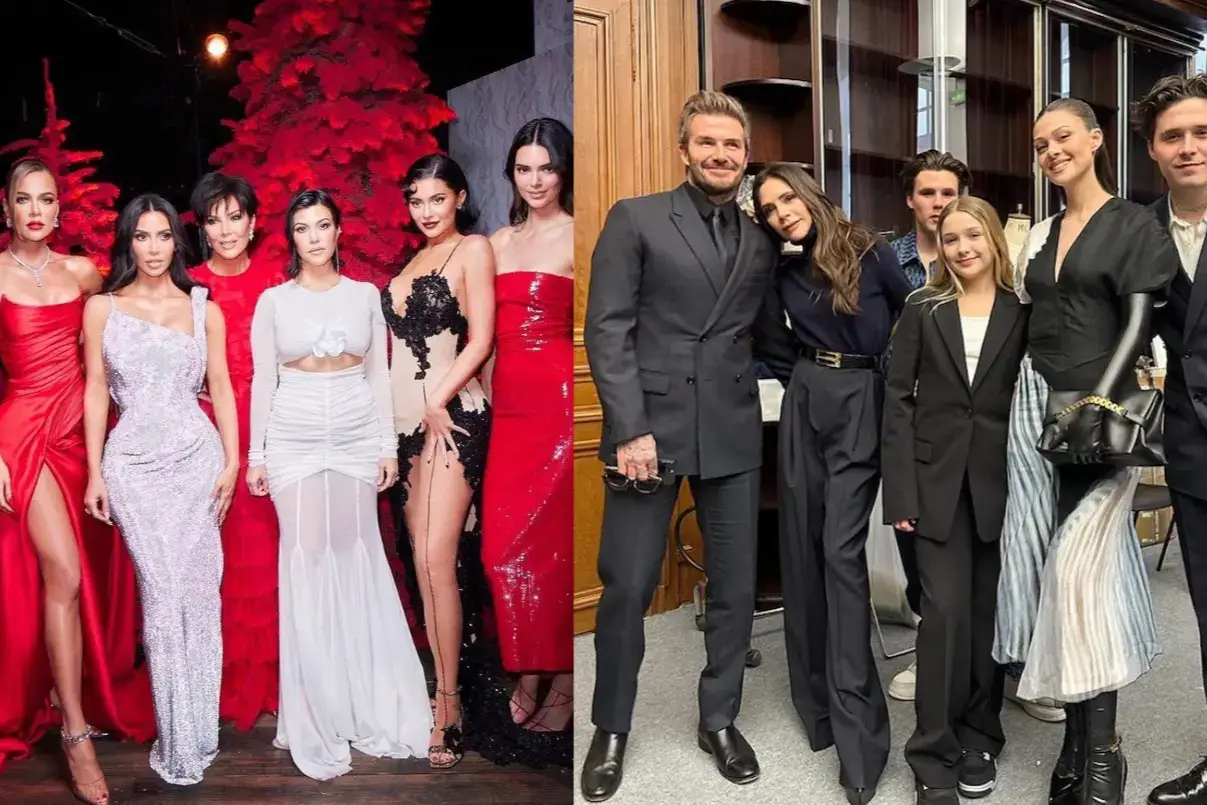
Some celebrity baby names make headlines for a few days. Others become valuable trademarks and multimillion-dollar brands before the child is even old enough to spell them. In Hollywood, a famous last name can lead to trademark filings, luxury product lines, media deals, and even courtroom battles, showing that a birth announcement can be the first step in building a business empire. Behind the heartwarming family photos is a world where branding often begins from day one.
As celebrity brands have grown into billion-dollar businesses, many famous parents have moved quickly to protect their celebrity children's names as intellectual property. What starts as a newborn's name can later support fashion labels, beauty brands, entertainment ventures, or future commercial projects. At the same time, disputes over trademarks and naming rights have become increasingly common, proving that in Hollywood, a child's name can be far more than a personal identity; it can be one of the family's most valuable assets.
Brooklyn Beckham's Name Trademark Dispute With His Parents
What began as a family disagreement has evolved into one of the most closely watched branding disputes in celebrity culture. At the center is Brooklyn Peltz Beckham, who has publicly claimed that control over his own name became a source of conflict with his parents, David and Victoria Beckham. The controversy has drawn attention because it blurs the line between family relationships and corporate business, showing how a celebrity surname can become a valuable commercial asset.
The legal foundation of the dispute dates back to December 2016, when the trademark "BROOKLYN BECKHAM" was documented with the UK Intellectual Property Office. Because Brooklyn was still a minor, the application was filed under Victoria Beckham's name as his parent and guardian. The registrations covered major commercial categories, including clothing, beauty products, toys, and entertainment, effectively placing his name within the broader Beckham business portfolio. Those trademarks are now approaching their renewal period, creating new questions about who should control the rights, as Brooklyn is an adult with the legal authority to manage his own intellectual property.

The disagreement reportedly intensified ahead of Brooklyn's 2022 wedding to actress Nicola Peltz. According to multiple media reports, Brooklyn was asked to sign trademark-related documents concerning the commercial use of his name ahead of his wedding. While the exact contents of those documents have never been made public, reports suggested the issue became another source of tension within the family. The disagreement also appeared to extend beyond family relationships into broader commercial interests linked to the Beckham brand, although neither side has publicly detailed the arrangements involved.
If you love deep dives into massive streaming sensations, check out our breakdown of the Danny Glover Alzheimer’s Diagnosis | Lethal Weapon Star Opens Up About Deepening Health Battle
David Beckham's strategic partnership with Authentic Brands Group in early 2022 also attracted attention. Although no public documents link that agreement to Brooklyn's trademarks, commentators have noted the overlap in broader discussions about the management of the Beckham trademark portfolio. The overlap has fueled speculation about how the family's intellectual property is managed, even though no official connection has been confirmed.
Some reports have suggested that legal representatives became involved as discussions over commercial rights grew more formal, although no official legal filings or correspondence have been made public. Even without confirmed court proceedings, the reports illustrate how intellectual property disputes can evolve from private family disagreements into complex business matters.
Trademark law generally permits individuals to use their birth names in business as long as they do so honestly and without causing confusion in the marketplace. Those rights are limited to the specific goods and services covered by each registration, meaning the same name can sometimes coexist across different industries without creating legal conflicts.
In practice, well-known family brands often create additional legal considerations beyond the basic principles of trademark law. Because "Beckham" has become one of the world's most recognizable lifestyle brands, any independent venture by Brooklyn in industries such as fashion, fragrance, or beauty could invite trademark challenges if consumers believe the products are officially connected to the family empire.
Rather than relying solely on the Beckham name, Brooklyn has increasingly focused on building his own commercial identity. He has promoted ventures such as his Cloud23 hot sauce brand and has used the initials BPB for selected endorsements and business projects. The strategy reflects an effort to establish an independent reputation while navigating the legal and commercial realities of growing up inside one of entertainment's most valuable family brands.
How Intent-to-Use Trademarks Protect Celebrity Brands
An Intent-to-Use (ITU) trademark allows celebrities and businesses to reserve a brand name before launching a product. Instead of proving current commercial use, applicants need only show they genuinely intend to use the trademark in the future. This gives brands time to develop products while preventing competitors from claiming the same name.
After receiving a Notice of Allowance from the USPTO, applicants can request a series of extensions, allowing them up to three years to begin commercial use before the application expires. This gives companies valuable time to finalize products, marketing strategies, and business partnerships.
Trending Now: Check out our most-read story of the week, the Why Is Everyone Obsessed With the Kardashians? Inside the 2026 Media Machine and Family Backlash
Trademark law also prevents people from simply reserving names to sell them for profit. However, companies can legally transfer ownership through mergers or corporate restructuring, making trademark management more flexible while still complying with the law. At the same time, applicants must prove they had a real intention to use the trademark. Without business plans or evidence of product development, the registration can be challenged and even canceled later. Because trademarks are registered separately for different categories of goods and services, celebrity families often file applications across multiple industries to preserve future business opportunities.
Why Celebrity Parents Trademark Their Children's Names
Today's celebrity families are building brands earlier than ever, with some filing trademarks for their children's names long before they are old enough to understand them. Public trademark records show that names linked to the Kardashian-Jenner family have been registered across categories such as skincare, toys, fashion, and entertainment, laying the foundation for future business ventures before adulthood.
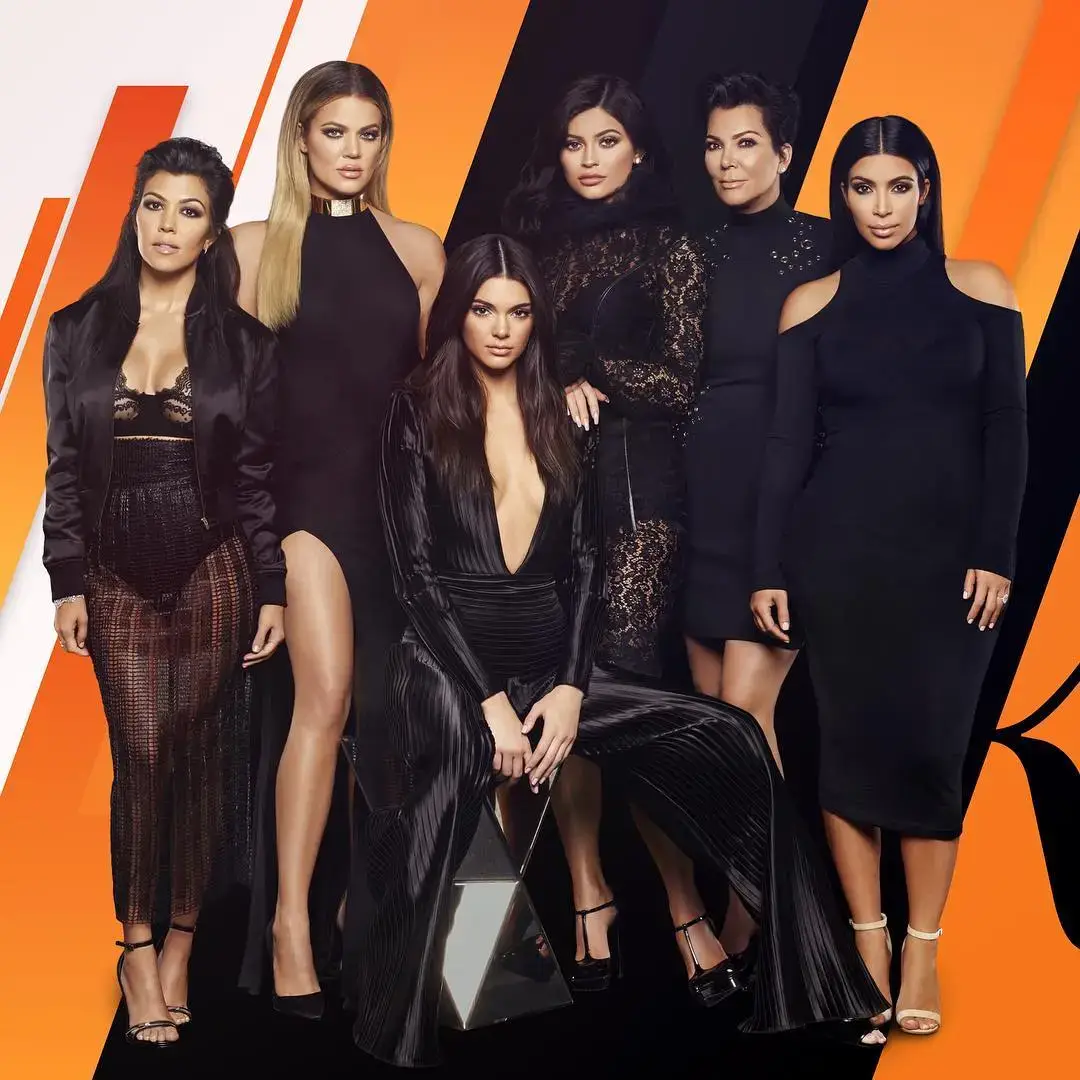
Trademark filings have included names such as North West, Saint West, Chicago West, Psalm West, Stormi Webster, and Aire Webster across various commercial categories, although not every filing ultimately matures into a registered trademark. Outside the Kardashian-Jenner family, Beyoncé and Jay-Z also pursued trademark protection for Blue Ivy Carter's name after successfully overcoming legal challenges.
Supporters see these filings as smart long-term planning that protects valuable family brands. Critics, however, argue that turning children's names into corporate assets raises important questions about privacy, consent, and commercialization.
As celebrity empires continue to grow, the debate highlights the fine line between securing a child's future and transforming childhood into a business opportunity.
Kylie Minogue vs. Kylie Jenner: The Trademark Battle Explained
The trademark dispute between Kylie Minogue and Kylie Jenner became one of the most talked-about intellectual property battles in the entertainment industry. At its heart was the legal concept of reverse confusion, in which a larger, more commercially powerful brand can overshadow someone who used the name first. Instead of the newcomer being mistaken for the original, consumers may wrongly assume the original brand is connected to or copying the newer powerhouse.
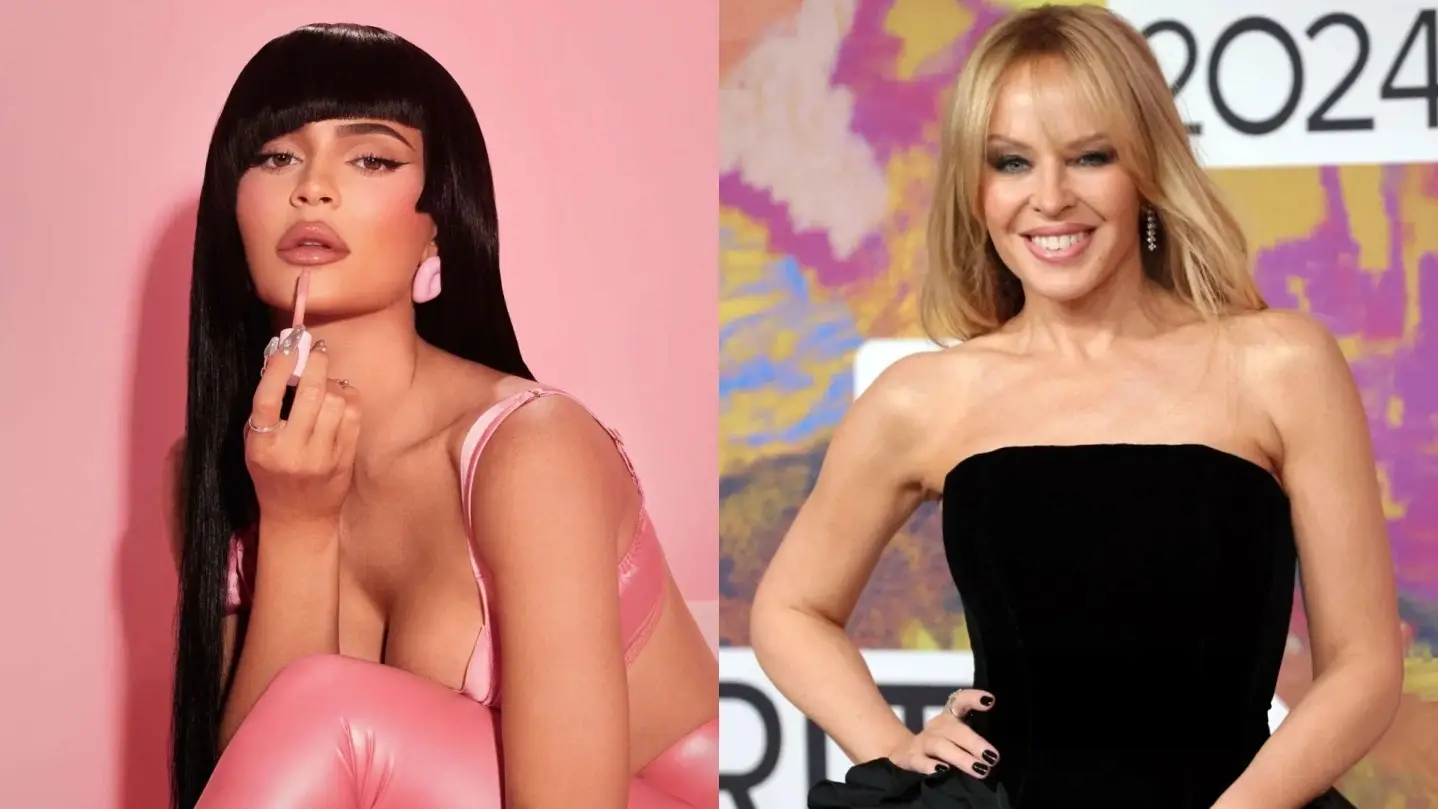
When Jenner applied to trademark the standalone name "KYLIE" in 2015, Minogue opposed the filing, arguing that she had built her career under that name for decades and already owned trademark rights in several business categories. She claimed that Jenner's enormous media presence could overwhelm her long-established brand and create widespread consumer confusion.
Read More: Stay updated with our latest features in the Entertainment Category
Following Minogue's opposition, Jenner's application to register the standalone "KYLIE" trademark did not proceed to registration and was ultimately abandoned. Jenner instead continued expanding brands such as Kylie Cosmetics and Kylie Jenner. The dispute remains one of the best-known celebrity trademark cases, illustrating how intellectual property law balances established brand rights with the ambitions of newer public figures in an increasingly competitive marketplace.
For More News, Entertainment, Follow CelebWikiCorner.
.webp)
.webp)
.webp)
.webp)
.webp)
.webp)
.webp)
.webp)
.webp)

.webp&description=Entertainment)
.webp&description=Entertainment)
.webp&description=Entertainment)
.webp&description=Entertainment)
.webp&description=Entertainment)
.webp&description=Entertainment)
.webp&description=Entertainment)
.webp&description=Entertainment)
.webp&description=Entertainment)