
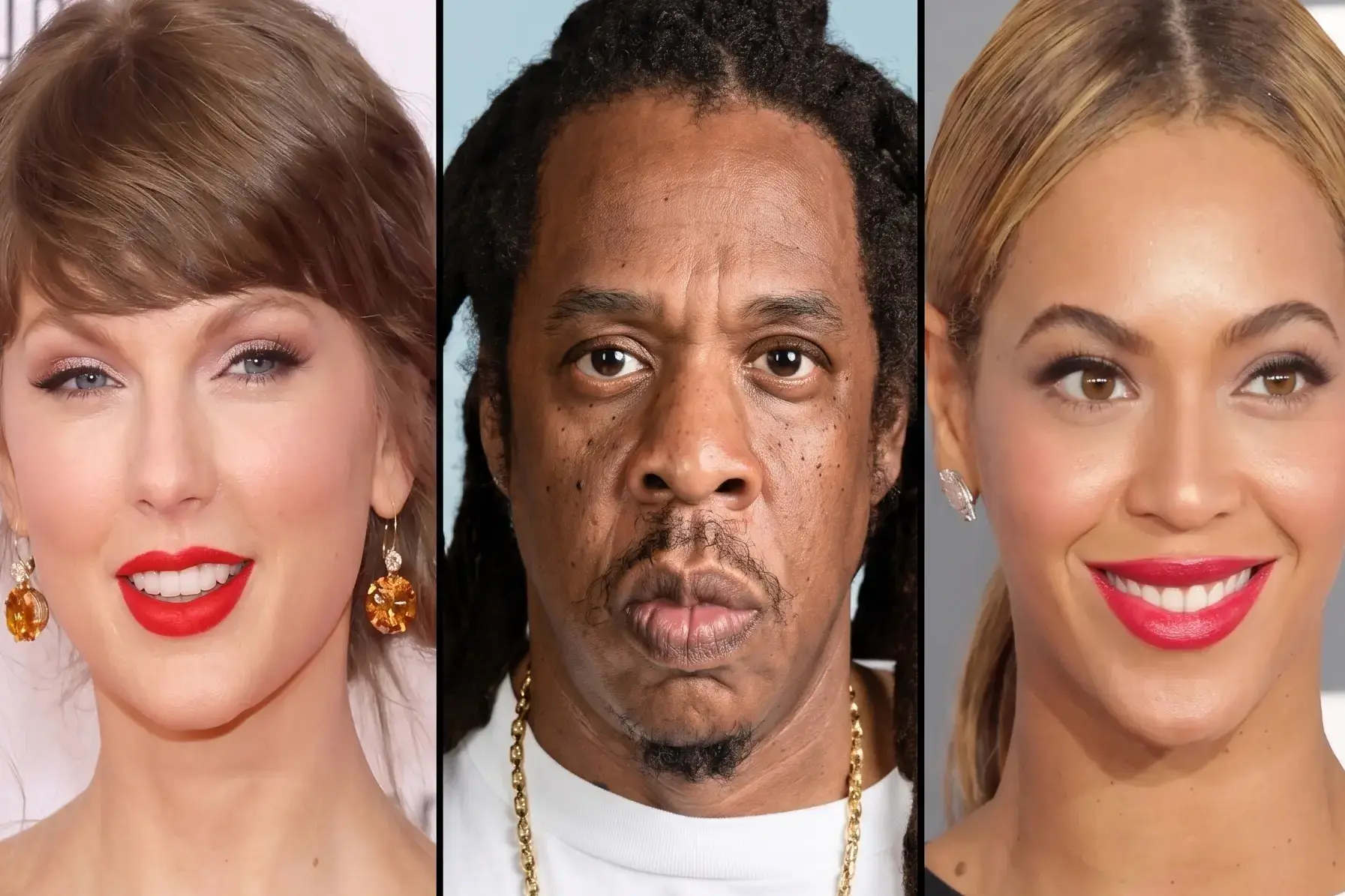
Hollywood's biggest stars don't rely on sunglasses or tinted SUVs to stay hidden. Instead, many disappear behind entirely different identities. Celebrity privacy isn't accidental. Behind every quiet hotel stay, discreet property purchase, or private flight is usually a carefully planned strategy designed to keep personal lives away from public attention. Behind the red carpets and flashing cameras is a world where staying anonymous can be just as important as staying famous.
Celebrity privacy isn't accidental. Behind every quiet hotel stay, discreet property purchase, or private flight is usually a carefully planned strategy designed to keep personal lives away from public attention. From checking into hotels under carefully chosen aliases to buying homes through LLCs and trusts that conceal ownership, these strategies make it much harder for outsiders to trace a celebrity's homes, travel plans, or valuable assets. In an age where every move can become a headline, these privacy techniques offer a fascinating look at the hidden side of celebrity life.
How Celebrities Use LLCs and Trusts to Buy Homes Anonymously
Owning a luxury mansion sounds glamorous until fans, paparazzi, and even strangers can find your address with a quick online search. In the United States, property records are often public, making privacy one of the hardest things for celebrities to protect. That's why many A-listers don't buy homes under their own names. Instead, many rely on LLCs, trusts, and other legal entities to make ownership less obvious in public records. While these structures can improve privacy, they do not always guarantee complete anonymity.
These companies are often registered in states such as Delaware or Wyoming, where business registration laws can provide greater privacy than many other states, although federal reporting requirements and certain legal proceedings may still reveal beneficial ownership. To make the trail even harder to follow, the entities are frequently given unusual, humorous, or completely unrelated names. On paper, a multi-million-dollar mansion might appear to belong to an ordinary company rather than one of Hollywood's biggest stars.
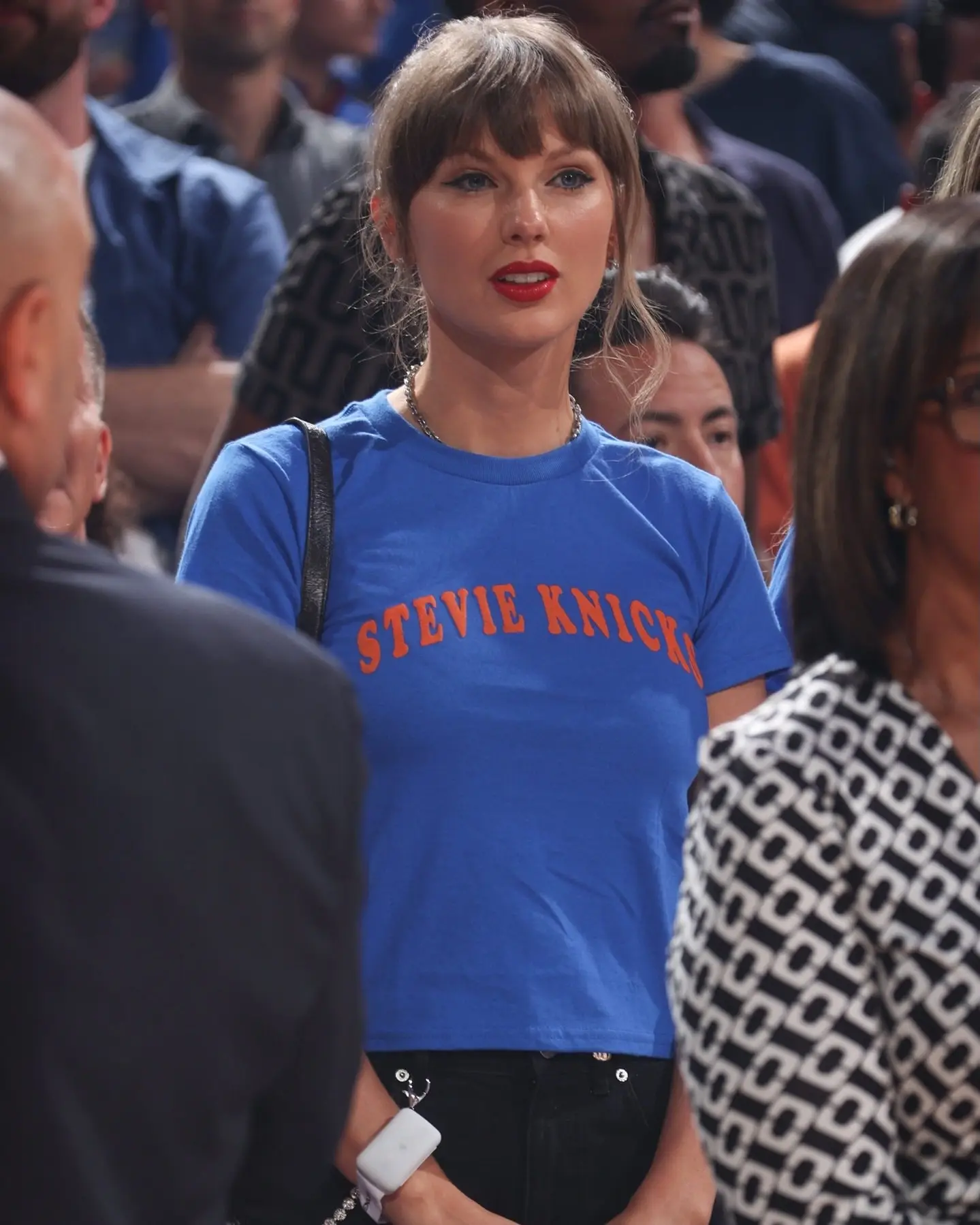
Taylor Swift is one of the best-known examples of this strategy. She has reportedly used multiple LLCs connected to her business operations, including entities associated with 13 Management, when purchasing properties in places such as Rhode Island, Nashville, and New York. By separating each property into its own legal entity, she adds another layer of privacy while making it much harder for the public to connect those homes to her.
Beyoncé and Jay-Z take the approach even further. Public records indicate that some of their major real estate purchases have involved trusts, LLCs, and other legal entities that add layers of privacy to ownership. That strategy drew attention during the purchase of their record-breaking $200 million Malibu estate, where several legal entities stood between the couple and the public record. Together, these legal structures make it much harder for curious fans, paparazzi, or online investigators to trace ownership back to the couple.
If you love deep dives into massive streaming sensations, check out our breakdown of the Benny Safdie Lizard Music Movie | Theo Clark Leber Cast, Dwayne Johnson Chicken Man, and Plot Guide
For many celebrities, these anonymous corporate structures are less about hiding wealth and more about protecting their safety. By separating personal names from property records, these structures allow celebrities to manage valuable real estate while reducing unnecessary exposure.
Why Celebrities Use Fake Names at Hotels and Hospitals
For most people, checking into a luxury hotel or visiting a hospital is routine. For celebrities, it can become a security nightmare. A single leaked reservation or patient record can attract paparazzi, fans, or gossip reporters within minutes. To prevent that, many luxury hotels, hospitals, and celebrity security teams use a simple but highly effective system: booking everything under a fake name.
Instead of entering an A-lister's real identity into the reservation system, staff create an alias that appears on guest lists, room assignments, and internal records. Only a small group of trusted executives, security personnel, or authorized medical staff know the patient's identity. This extra layer of privacy dramatically reduces the chances of information being leaked.
The protection goes beyond the check-in desk. Room service orders, phone calls, package deliveries, and internal communications are all linked to the alias rather than the celebrity's real name. Even employees with access to the hotel's system often have no idea that a famous actor, musician, or athlete is staying just a few doors away.
Many celebrities even choose playful fake names that make the disguise more convincing. Some borrow the names of childhood cartoon characters, historical figures, or completely random phrases that would never raise suspicion. The goal isn't just to hide their identity. It's to make sure nobody has a reason to look twice.
Trending Now: Check out our most-read story of the week, the Celebrity Body Part Insurance | The Millions Expended to Protect Hollywood’s Most Famous Assets
Several well-known stars have reportedly used memorable aliases over the years. Johnny Depp has been linked to the intentionally unglamorous name "Mr. Stench," while Brad Pitt has reportedly checked in as "Oliver Plum." Jessica Alba has also been associated with quirky aliases such as "Cash Money." These names may sound amusing, but they serve a serious purpose by keeping real identities away from public-facing systems.
Whether a celebrity is traveling, recovering privately, or welcoming a new family member, these aliases help create distance between their personal lives and public attention. Combined with strict confidentiality policies and security teams, they allow stars to enjoy moments away from the spotlight.
How Celebrities Hide Private Jets and Luxury Cars from Public Records
In recent years, private aviation privacy has expanded beyond corporate ownership. The Federal Aviation Administration now offers programs that allow eligible aircraft owners to request greater privacy for their registration details and flight-tracking information. While these measures do not make flights completely invisible, they reduce the amount of publicly available information that can be linked directly to a celebrity.
For celebrities, even something as ordinary as a license plate can become a security risk. A single photo taken by a paparazzo or curious bystander could reveal valuable information if it is connected to public records. To reduce that risk, many high-profile stars rely on a legal strategy that keeps their names off vehicle and aircraft registrations.
Instead of registering luxury cars, SUVs, or private jets in their own names, celebrities often register them under corporate fleet LLCs or other legal entities. On paper, the owner appears to be a business rather than a famous individual. This creates privacy and makes it much harder for anyone to connect a vehicle or aircraft to its real owner.
The same strategy helps protect information linked to license plates and aircraft registrations. When someone searches public records, where available, they are more likely to find a corporate holding company, registered agent, or legal office rather than a celebrity's home address. That separation helps prevent unwanted attention and reduces the risk of fans, stalkers, or paparazzi tracking a star's daily movements.
Privacy also extends to the skies. Many celebrities register their private jets through corporate entities, making it more difficult to associate flight registrations with a specific person. While determined observers may still attempt to track aircraft through publicly available flight data, recent FAA privacy programs now allow many private aircraft owners to request that certain identifying registration information and flight data be withheld from public display, adding another layer of protection.
These ownership structures aren't just about privacy. They can also simplify asset management and, in some situations, help separate business liabilities from personal assets. By placing vehicles and aircraft inside separate companies, owners can isolate certain liabilities from their personal assets if an accident or legal dispute arises. For celebrities who own multiple luxury vehicles or private aircraft, this approach also simplifies business and asset management.
Whether driving through Los Angeles or landing at a private airport, celebrities use these registration strategies to keep their identities one step removed from public records. It is a practical privacy measure that helps protect their safety while allowing them to travel with far less unwanted attention.
When Celebrity Privacy Strategies Become Public
Shell LLCs and blind trusts are powerful tools for protecting celebrity privacy, but they are not foolproof. Every so often, the legal paper trail catches up with the real owner, turning what was meant to be a quiet property purchase into headline news. Once that happens, the privacy a celebrity worked so hard to protect can disappear almost overnight.
The process often begins with an investigative journalist, local resident, or online researcher digging through public records. A strangely named LLC might apply for a permit to build a massive basement, install a towering security wall, or renovate a luxury estate. While the company name may seem anonymous at first, connecting property records, business filings, and permit applications can eventually reveal the celebrity behind the project.
Construction is one of the biggest reasons these hidden ownership structures come under public scrutiny. Large renovations usually require approval from local planning or zoning boards, and nearby residents often take notice when heavy machinery, constant construction noise, or major changes affect the neighborhood. Once people discover which celebrity owns the property, disputes over privacy walls, property boundaries, environmental concerns, or blocked views can quickly follow.
Tax issues can also bring unwanted attention. Some properties owned through LLCs or trusts may qualify for certain tax benefits depending on local laws. If authorities or the public believe those benefits were claimed improperly, the story can quickly become controversial. Even when everything is legal, the perception that a wealthy celebrity received special treatment can generate significant public criticism.
Read More: Stay updated with our latest features in the Entertainment Category
Building permits create another challenge. Major construction projects require detailed plans and official approvals, making it difficult to keep ownership completely hidden forever. If officials need additional information or transparency, anonymous companies may eventually have to reveal who is behind the project before work can continue.
Ultimately, these privacy strategies can delay public discovery, but they rarely keep a major celebrity hidden forever. Large construction projects, public permits, legal filings, and determined investigators often reveal the real owner eventually, proving that complete anonymity is difficult to maintain.
For More News, Entertainment, Follow CelebWikiCorner.
.webp)
.webp)
.webp)
.webp)
.webp)
.webp)
.webp)
.webp)
.webp)

.webp&description=Entertainment)
.webp&description=Entertainment)
.webp&description=Entertainment)
.webp&description=Entertainment)
.webp&description=Entertainment)
.webp&description=Entertainment)
.webp&description=Entertainment)
.webp&description=Entertainment)
.webp&description=Entertainment)