
What if a single new photo was enough to convince the internet that your favorite celebrity had been secretly replaced? It sounds like the plot of a science-fiction movie, yet that's exactly what millions of people debate online whenever a famous face looks even slightly different. From red carpet appearances to candid paparazzi shots, the smallest change in a celebrity's appearance can trigger a wave of speculation that the "real" star has vanished and a clone has taken their place.
What started on obscure internet forums has evolved into one of social media's most enduring conspiracy theories. Today, almost any celebrity can become its newest target, with ordinary changes in appearance being treated as supposed evidence that something far more sinister has happened. Social media only adds fuel to the fire, rapidly spreading side-by-side comparisons and viral videos that invite endless debate. Despite the complete lack of credible evidence, the celebrity clone theory continues to fascinate millions, proving just how easily curiosity, misinformation, and online culture can turn everyday transformations into bizarre global conversations.
Why Jim Carrey's César Awards Appearance Sparked Clone Theories
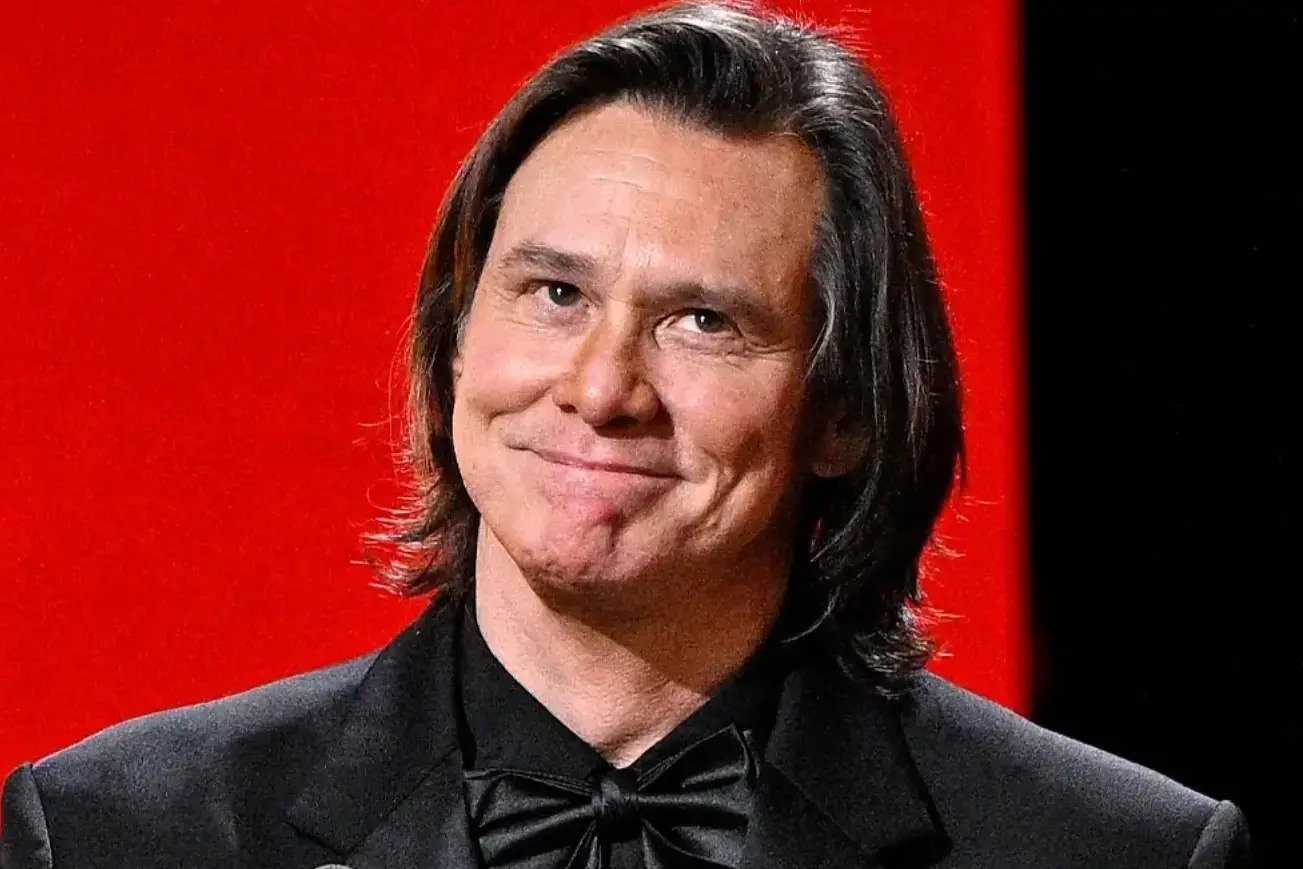
When Jim Carrey took the stage at the 51st César Awards in Paris, fans expected a memorable return. Instead, his appearance quickly became the focus of online speculation, with conspiracy theorists claiming he had been replaced by a clone or body double. Within hours, side-by-side photos and viral videos flooded social media, with countless users pointing to his different appearance as supposed "proof" that the real Jim Carrey was gone. Despite the sensational headlines, the theory has no factual basis.
The speculation took off because Carrey looked noticeably different from his last major public appearances. He arrived with long, jet black shoulder-length hair instead of his familiar gray hairstyle, while his face appeared fuller and smoother than many fans remembered. For conspiracy theorists, those changes were enough to claim that his facial structure had completely changed. In reality, changes in hairstyle, makeup, lighting, camera angles, natural aging, and the possibility of cosmetic procedures can dramatically alter how someone appears in photographs or on video. None of these changes provides evidence that a person has been replaced.
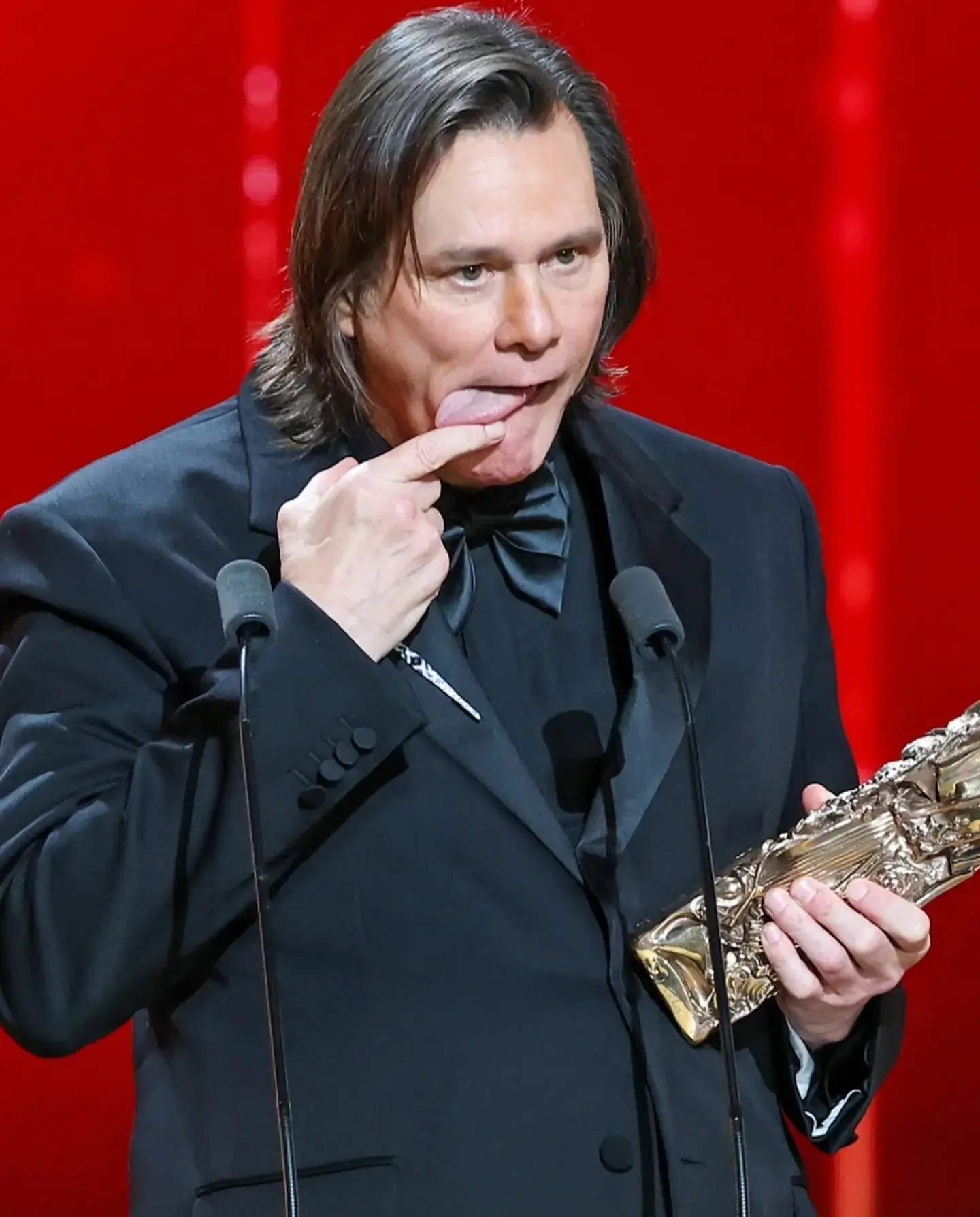
Another moment that sent social media into overdrive came during Carrey's acceptance speech. The actor delivered an emotional address entirely in French, leaving many viewers stunned by his confidence and pronunciation. Since French is not his first language, some internet users bizarrely claimed that only a professionally trained replacement could have spoken so fluently. The truth was much simpler. Event organizers later revealed that Carrey had spent months carefully rehearsing every line to honor the French audience.
Just as the rumors began to spread, illusion Alexis Stone added fuel to the fire with a prank that fooled thousands of people online. Stone shared photos of an incredibly realistic Jim Carrey prosthetic mask, complete with a wig and fake teeth, joking that he had secretly appeared at the ceremony instead of the actor. Many users took the post seriously, and it quickly became one of the biggest reasons the conspiracy exploded across social media.
There is a far more believable explanation for Carrey's transformed look. Many online discussions also speculated that cosmetic procedures might explain Carrey's altered appearance. While there is no confirmation that he underwent any treatment, experts frequently note that factors such as aging, lighting, makeup, facial hair, hairstyle changes, camera lenses, and possible cosmetic procedures can significantly change how someone looks on screen.
If you love deep dives into massive streaming sensations, check out our breakdown of Samantha Morton in The Odyssey | Inside Christopher Nolan's Heath Ledger Comparison and Her Circe Role
The event itself also leaves little room for conspiracy theories. Jim Carrey spent months preparing for the prestigious ceremony and attended alongside his longtime partner Minzi, his daughter Jane, his grandson Jackson, his publicist, and longtime friend and director Michel Gondry. They celebrated together throughout the evening as Carrey accepted his Honorary César Award.
In the end, the so-called clone theory collapsed under the weight of the facts. Alexis Stone confirmed that his viral post was simply a prosthetic makeup and digital editing created to entertain his audience, while Jim Carrey's representatives reiterated that the actor personally attended the ceremony. What started as a dramatic change in appearance quickly turned into another viral internet mystery, highlighting how even the smallest transformation can spark massive conspiracy theories when social media takes over.
Jim Carrey is only the latest celebrity to become the target of these rumors. Long before his appearance sparked debate, another famous musician became the face of the internet's most influential replacement conspiracy.
The Melissa Vandella Blueprint And The Avril Lavigne Clone Myth
The Avril Lavigne clone theory is widely regarded as the blueprint for many of today's celebrity-replacement conspiracies. Long before social media was flooded with claims about actors, musicians, and influencers being "replaced," the internet became obsessed with the idea that Avril had secretly been swapped with a lookalike named Melissa Vandella. Although the story has been thoroughly debunked, it introduced a formula that conspiracy theorists continue to recycle whenever a celebrity's appearance or personality changes.
The theory follows a predictable pattern that has since appeared in countless online rumors. It begins with a celebrity experiencing a difficult period in life, followed by the introduction of a mysterious double. The original star is then said to have disappeared in secret, while the replacement supposedly continues their career and leaves behind hidden clues for fans to uncover. This storytelling formula transforms ordinary life events into dramatic mysteries that are easy to share and even harder to forget.
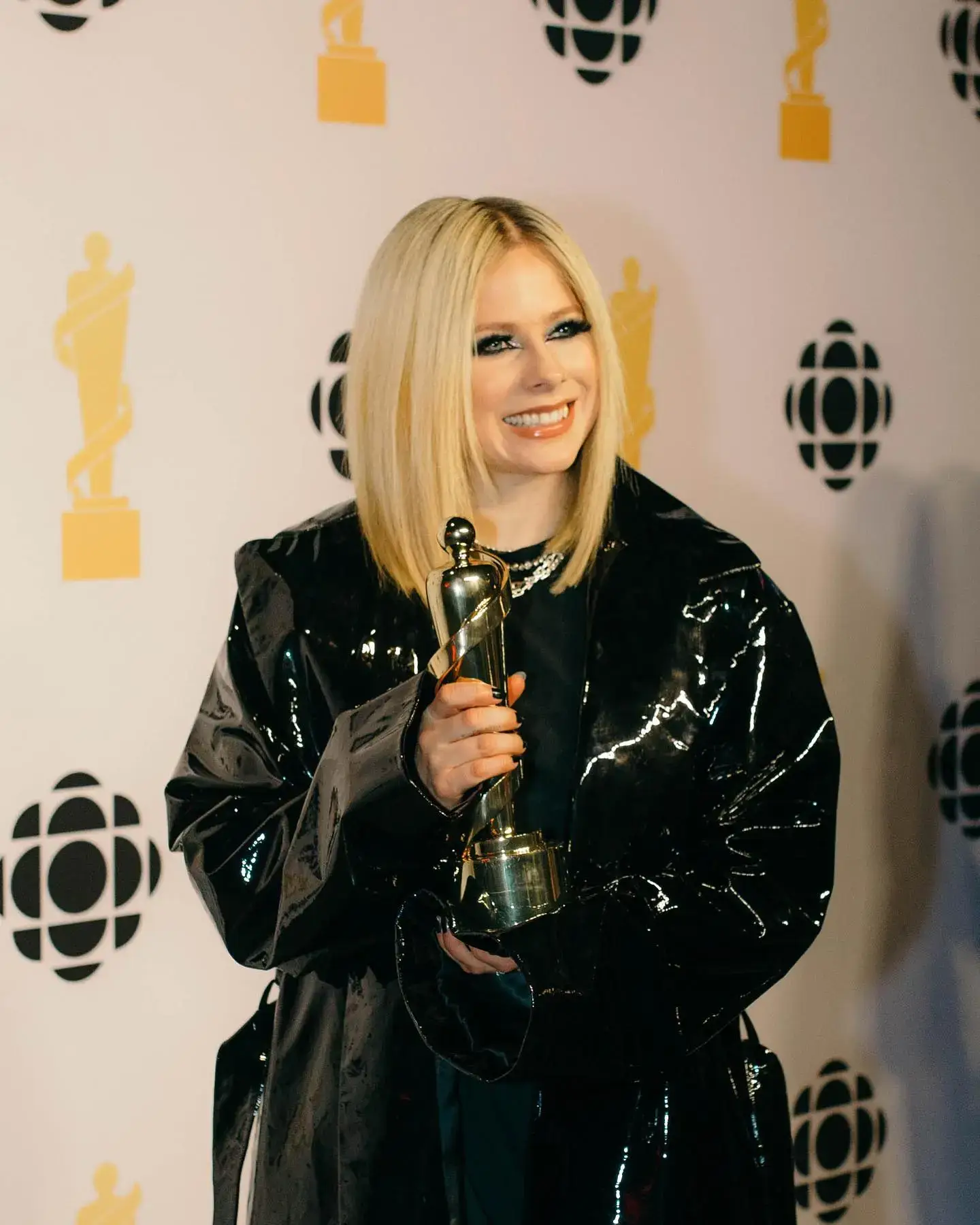
One reason the myth became so influential is that it rejects the idea that people naturally evolve over time. Instead of accepting that celebrities change their style, interests, or public image as they grow older, conspiracy theorists treat every difference as evidence of a replacement. A new haircut, a different fashion sense, a changed voice, or a more mature personality suddenly becomes "proof" that the original person no longer exists.
The Melissa Vandella story also popularized the search for tiny details that could be presented as evidence. Internet detectives compared jawlines, ears, smiles, moles, and facial proportions using photos taken years apart, often ignoring the effects of aging, makeup, lighting, camera angles, and image quality. Others searched through Avril's song lyrics, claiming they contained hidden confessions, while her shift from skater punk fashion to a more polished pop image was framed as another sign that she had been replaced rather than simply growing as an artist.
Like many conspiracy theories, the story also relied on the idea of a powerful organization hiding the truth. Record labels and entertainment executives were portrayed as secret masterminds willing to replace a global superstar to protect profits. This fictional cover-up added another layer of intrigue, making the theory feel more dramatic even though no credible evidence ever supported those claims.
Perhaps the most surprising part of the Melissa Vandella story is how it began. The theory gained widespread attention after appearing on a Brazilian fan blog in 2011, where it was presented as a fictional story illustrating how easily internet users could be persuaded by selective evidence. Although many people now describe it as a social experiment, the exact origins remain debated. Even after the story was acknowledged as fictional, the conspiracy continued spreading across forums, YouTube, TikTok, and X, reaching millions of people worldwide.
That lasting influence explains why the Avril Lavigne clone myth remains one of the internet's most famous conspiracy theories. It demonstrated how quickly online communities can turn ordinary human growth into an elaborate mystery and how a compelling narrative can continue to thrive long after it has been proven false. Today, the same blueprint is repeatedly applied to celebrities whenever they return with a new look, a different hairstyle, or a noticeable change in appearance, showing how the internet often finds mystery more exciting than reality.
Why Celebrity Clone Conspiracies Keep Spreading Online
The internet's fascination with celebrity clone theories says as much about modern culture as it does about the stars themselves. Instead of accepting that people naturally age, many online communities now treat visible changes in a celebrity's face as something mysterious that demands an extraordinary explanation. Wrinkles, weight fluctuations, cosmetic procedures, or even different lighting can quickly become the starting point for viral theories involving clones, body doubles, or deepfakes.
One reason these conspiracies spread so easily is that audiences have grown used to seeing celebrities through perfectly curated images. Social media filters, professional makeup, photo editing, and high-end beauty treatments create an expectation of permanent youth. When an unedited paparazzi photo or a live television appearance reveals signs of aging, the contrast feels dramatic to viewers who are accustomed to polished images. Rather than seeing a normal human transformation, some people convince themselves that something much stranger has happened.
.webp "Jim Carrey")
Psychology also plays an important role. Researchers have long noted that people naturally search for patterns, even when none exist. Once someone believes a celebrity has been replaced, confirmation bias encourages them to interpret every new photograph, interview, or public appearance as additional "evidence," while ignoring ordinary explanations.
Cosmetic procedures can make that perception even stronger. Treatments such as Botox, dermal fillers, facelifts, or eyelid surgery may temporarily change facial proportions or create mild swelling during recovery. While these procedures are common in the entertainment industry, they can make a familiar face look unexpectedly different. Instead of recognizing those medical explanations, conspiracy theorists often claim the celebrity has been replaced because their appearance no longer matches older photographs.
Social media also rewards sensational stories far more than ordinary explanations. Platforms encourage users to zoom in on facial features, compare years-old images, and search for tiny differences in jawlines, ears, smiles, or moles. These viral investigations become a form of online entertainment where every supposed discovery earns attention, shares, and engagement. The more unbelievable the claim, the faster it often spreads.
The rise of AI has added another layer to these discussions. As deepfakes and AI-generated videos become increasingly realistic, many people have become more cautious about trusting what they see online. While that skepticism can be healthy, it sometimes spills into unfounded theories that real celebrities have been digitally replaced or secretly swapped with body doubles. Advances in technology have blurred the line between reasonable caution and speculative fiction.
Trending Now: Check out our most-read story of the week, The Odyssey Movie | Release Date, Star-Studded Cast, Trailers, and Christopher Nolan Plot Details
This creates a difficult cycle for public figures. Celebrities who allow themselves to age naturally are often criticized for looking older or tired. Those who choose cosmetic treatments to meet unrealistic beauty expectations are then accused of looking "too different" and become targets of clone theories. Either way, they face intense scrutiny over changes that are a normal part of life.
Ultimately, the popularity of these sci-fi conspiracies reflects society's complicated relationship with aging, fame, and digital culture. The internet often struggles to accept that famous people change just like everyone else. Instead, ordinary human evolution is transformed into a mystery, illustrating why in the age of viral content, an extraordinary conspiracy often captures more attention than the simple truth.
How Digital Artists And Deepfakes Fuel Celebrity Clone Conspiracies
Digital performance artists have transformed celebrity impersonation into an art form that is more convincing than ever before. Using movie-quality prosthetics, advanced makeup, visual effects, and artificial intelligence, they can recreate the appearance of famous people with remarkable accuracy. While many of these projects are created as artistic experiments or social commentary, they often take on a life of their own once they spread across social media, where context is quickly lost.
This creates what many people describe as a "reality glitch." Viewers encounter a video that appears authentic yet feels slightly unusual, prompting them to question whether what they are seeing is real. Instead of recognizing it as performance art or digital editing, some audiences interpret it as evidence that a celebrity has been secretly replaced. The uncertainty itself becomes part of the entertainment, encouraging people to keep watching, sharing, and debating.
Artists such as Alexis Stone have demonstrated just how powerful these illusions can be. Through incredibly realistic prosthetics, wigs, and makeup, performers can temporarily become nearly indistinguishable from well-known celebrities. When images or videos of these transformations appear online without explanation, they often spark widespread confusion before the artistic intent is revealed.
Artificial intelligence has made these illusions even more convincing. Deepfake technology can digitally place a celebrity's face onto another person's body with impressive realism, while sophisticated editing techniques smooth over imperfections that once gave fake videos away. Growing public awareness of AI-generated media has also made some viewers more skeptical of authentic videos, sometimes causing ordinary footage to be wrongly dismissed as manipulated. For someone casually scrolling through social media, it can be difficult to immediately recognize where reality ends and digital manipulation begins.
Many creators intentionally embrace a mysterious visual style to amplify the effect. Grainy footage, awkward camera angles, compression artifacts, and brief visual distortions are presented as if reality itself is malfunctioning. This aesthetic appeals to online communities that already enjoy theories about simulations, glitches in the matrix, or hidden realities, making ordinary editing tricks appear far more mysterious than they actually are.
Social media algorithms play a vital role in spreading these videos. Content that surprises, shocks, or sparks debate is far more likely to be recommended to new audiences. A clip claiming to show a celebrity "glitching" or looking completely different can generate millions of views within hours, often reaching far more people than later explanations or fact checks.
What begins as creative performance art can quickly become something very different. A satirical impersonation may be reposted without its original caption, stripped of all artistic context, and shared inside conspiracy communities as genuine evidence of a celebrity replacement. Once that happens, the creator often loses control of the narrative, and the fabrication becomes another piece of supposed proof supporting an already existing conspiracy theory.
Read More: Stay updated with our latest features in the Entertainment Category
Perhaps the biggest consequence is the growing difficulty people face in separating authentic content from digital illusion. As realistic visual effects become increasingly accessible, many viewers begin questioning even genuine footage of celebrities. Natural aging, cosmetic procedures, unusual camera angles, or emotional public appearances are sometimes dismissed as fake or manipulated, reflecting a broader decline in trust across digital media.
Ultimately, these viral look-alike fabrications reveal far more about internet culture than they do about celebrities. As artificial intelligence, digital editing, and hyper-realistic visual effects continue to evolve, distinguishing genuine content from convincing illusions will only become more challenging. The lasting appeal of celebrity clone conspiracies lies not in credible evidence, but in the internet's fascination with mystery, speculation, and stories that seem stranger than reality.
Frequently Asked Questions
Are celebrity clone theories real?
No. There is no credible evidence that any celebrity has been replaced by a clone or body double. Most theories rely on ordinary changes in appearance, misleading comparisons, or misinformation.
Why do celebrities suddenly look different?
Aging, lighting, makeup, camera angles, hairstyles, weight changes, facial expressions, and sometimes cosmetic procedures can all dramatically affect appearance.
Who started the Avril Lavigne clone theory?
The theory gained widespread attention after appearing on a Brazilian fan blog in 2011, although its exact origins remain debated. It has since become one of the internet's best-known conspiracy myths.
Why do celebrity clone theories spread so quickly?
Social media algorithms favor sensational content, while confirmation bias encourages people to interpret ordinary changes as evidence of extraordinary claims.
For More News, Entertainment, Follow CelebWikiCorner.
.webp)
.webp)
.webp)
.webp)
.webp)
.webp)
.webp)

.webp&description=Entertainment)
.webp&description=Entertainment)
.webp&description=Entertainment)
.webp&description=Entertainment)
.webp&description=Entertainment)


.webp&description=Entertainment)
.webp&description=Entertainment)