
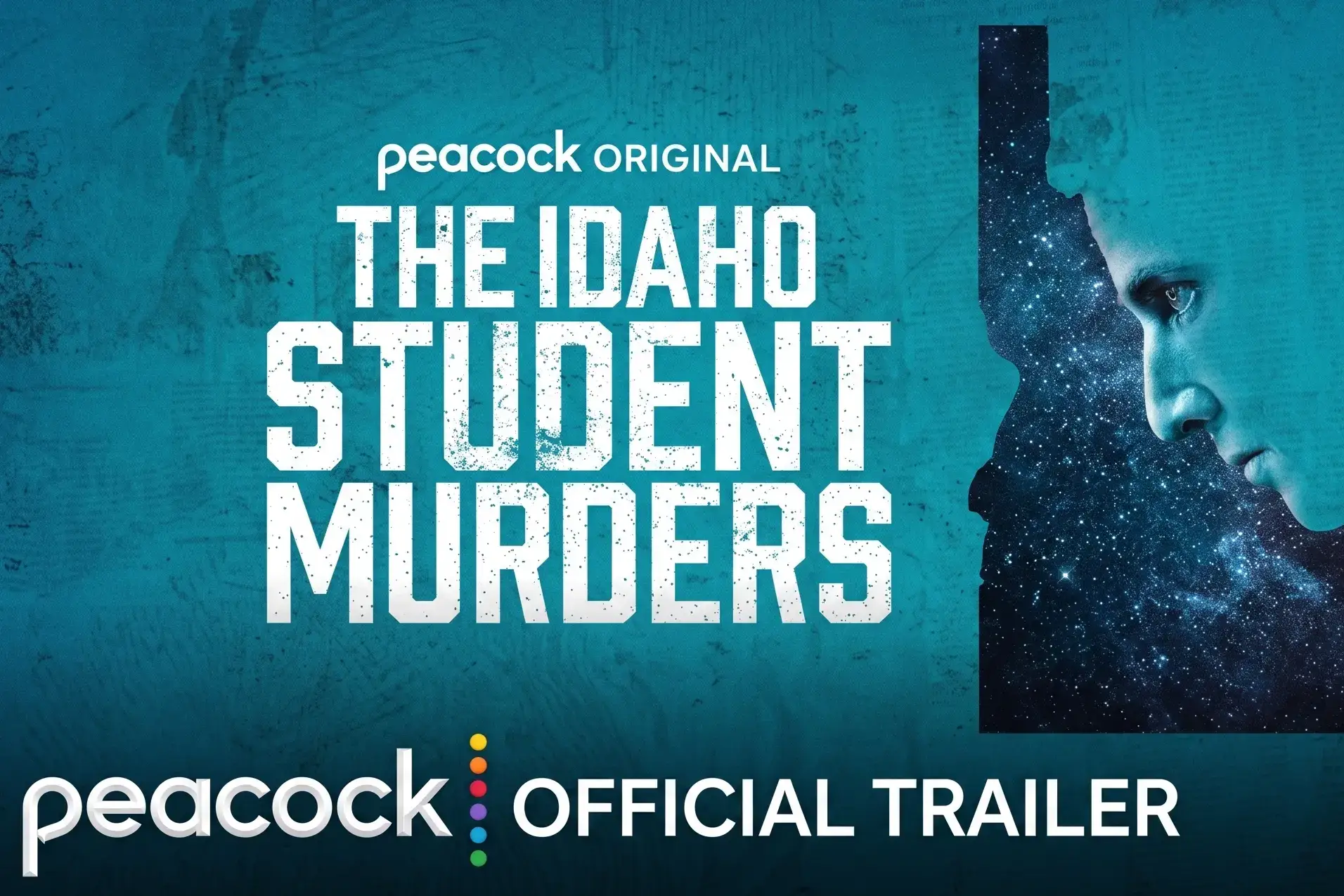
For nearly three years, the murders of four University of Idaho students have remained one of the most closely watched criminal cases in America. Now, Bryan Kohberger's unexpected attempt to withdraw his guilty plea has pushed the case back into the national conversation, raising new legal questions and reopening debates surrounding the investigation, the evidence, and the unanswered questions that still remain.
Interest in the Idaho murders has only continued to grow as the public searches for a clearer understanding of Kohberger's alleged motive, the details surrounding the investigation, and the emotional impact on the victims' families. With Netflix's documentary bringing renewed attention to the case and new legal developments unfolding, the tragedy has become more than a criminal proceeding; it remains one of the most discussed true crime stories of the decade.
Bryan Kohberger Petitions To Withdraw Guilty Plea in Handwritten Court Filing
Bryan Kohberger has renewed his legal efforts to challenge his conviction after filing a handwritten post-conviction petition in Idaho’s Ada County District Court seeking permission to withdraw the guilty plea he entered in July 2025. Representing himself, Kohberger insists that he is innocent and claims his confession was false, writing that "actual innocence is my truth." His unexpected filing has reopened public debate over one of the country's most closely followed murder cases and could lead to another lengthy legal fight.
In the petition, Kohberger argues that his former defense attorneys, led by Anne Taylor, provided ineffective legal representation and pressured him into accepting the plea agreement. He alleges that they failed to investigate or disclose evidence that could have supported his defense, including unidentified clumps of hair reportedly found in victim Ethan Chapin's hand. According to Kohberger, this evidence was never properly examined before he agreed to plead guilty.
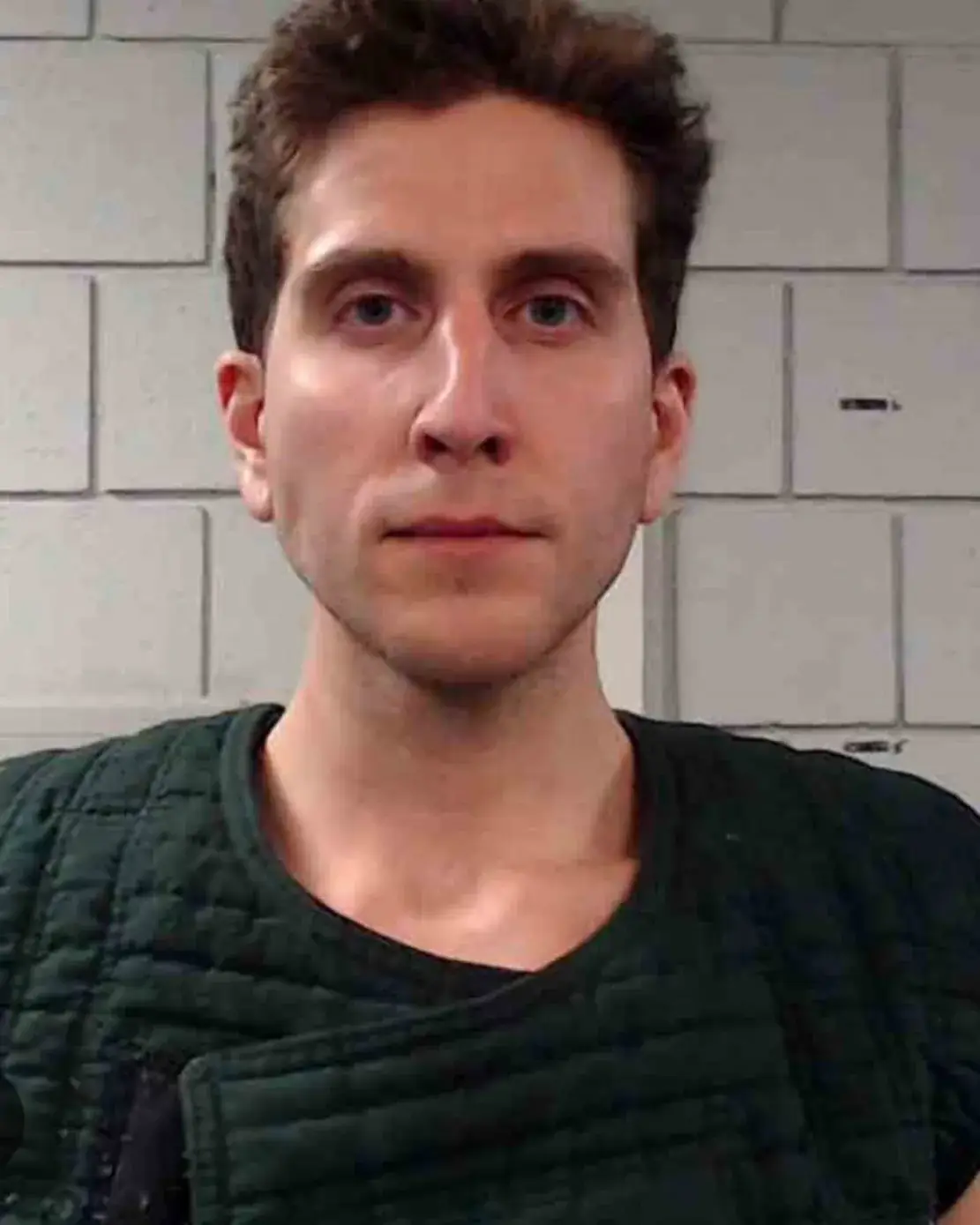
Kohberger also claims his attorneys manipulated him by giving misleading information about life in prison. He alleges they promised privileges such as contact visits, work opportunities, and greater freedom if he accepted the plea deal while painting an exaggerated picture of the harsh conditions on death row to pressure him into confessing. He further claims his lawyers told him that his courtroom admission did not have to be truthful if accepting the plea helped him avoid the death penalty.
Despite those allegations, legal experts believe overturning the guilty plea will be extremely difficult. During his July 2, 2025, plea hearing, District Judge Steven Hippler asked Kohberger directly whether he was pleading guilty because he was guilty, and Kohberger answered, "Yes," under oath. Because of that sworn statement, his appointed counsel will need to prove that allowing the conviction to stand would create a "manifest injustice," a legal standard that is rarely met in post-conviction proceedings.
If you love deep dives into massive streaming sensations, check out our breakdown of the ‘He’s The Guy!’ Inside David Jonsson’s Secret Meeting to Become Marvel’s New Black Panther
The court has already approved Kohberger's request for a court-appointed attorney, directing the Idaho State Public Defender to represent him as the case moves forward. At the same time, the Latah County Prosecutor's Office and Idaho Attorney General Raúl Labrador have made it clear they are prepared to defend the convictions and oppose his latest petition. Prosecutors are expected to submit their formal response within the court's deadline.
The victims' families have also reacted strongly to Kohberger's latest filing. Steve Goncalves, the father of Kaylee Goncalves, criticized the petition and described Kohberger as "the mosquito you just can't seem to swat." He added that if the guilty plea is ever thrown out, the family is fully prepared to return to court and support prosecutors in pursuing the death penalty once again. His comments reflect the determination of the victims' loved ones to continue seeking justice, regardless of the latest legal challenge.
Netflix Docuseries Releases Unprecedented Access Centering Victims' Stories
Netflix’s three-part documentary, The Idaho Murders: College Nightmare, examines the case through interviews, archival material, and investigative records while placing greater focus on the lives of the four victims. Rather than centering its story on Bryan Kohberger, the series shifts the focus to the four University of Idaho students whose lives were tragically cut short. Directed by Skye Borgman and executive produced by Joe Berlinger, the documentary paints a moving portrait of Kaylee Goncalves, Madison Mogen, Xana Kernodle, and Ethan Chapin, allowing viewers to know them as friends, siblings, children, and young adults with bright futures.
The documentary gained access to extensive investigative materials after Kohberger's July 2025 guilty plea led to the release of records that had previously remained sealed. Using police body camera footage, crime scene videos, text messages, and other evidence, the series carefully reconstructs the final hours before the murders and the devastating moments that followed. Instead of relying on speculation, it presents a detailed timeline that helps viewers understand how the investigation unfolded and how the victims' families first learned about the tragedy.
What makes the series especially powerful is its use of personal family archives. Home videos, phone recordings, and never-before-seen clips capture joyful moments shared by the four students long before they became the focus of international headlines. Footage of Madison Mogen and Kaylee Goncalves laughing together, along with family memories from birthdays, vacations, and everyday life, reminds viewers that these were real people whose lives extended far beyond the case itself. The documentary highlights the close bond between their families, showing how they became united by friendship before they were forever connected by unimaginable loss.
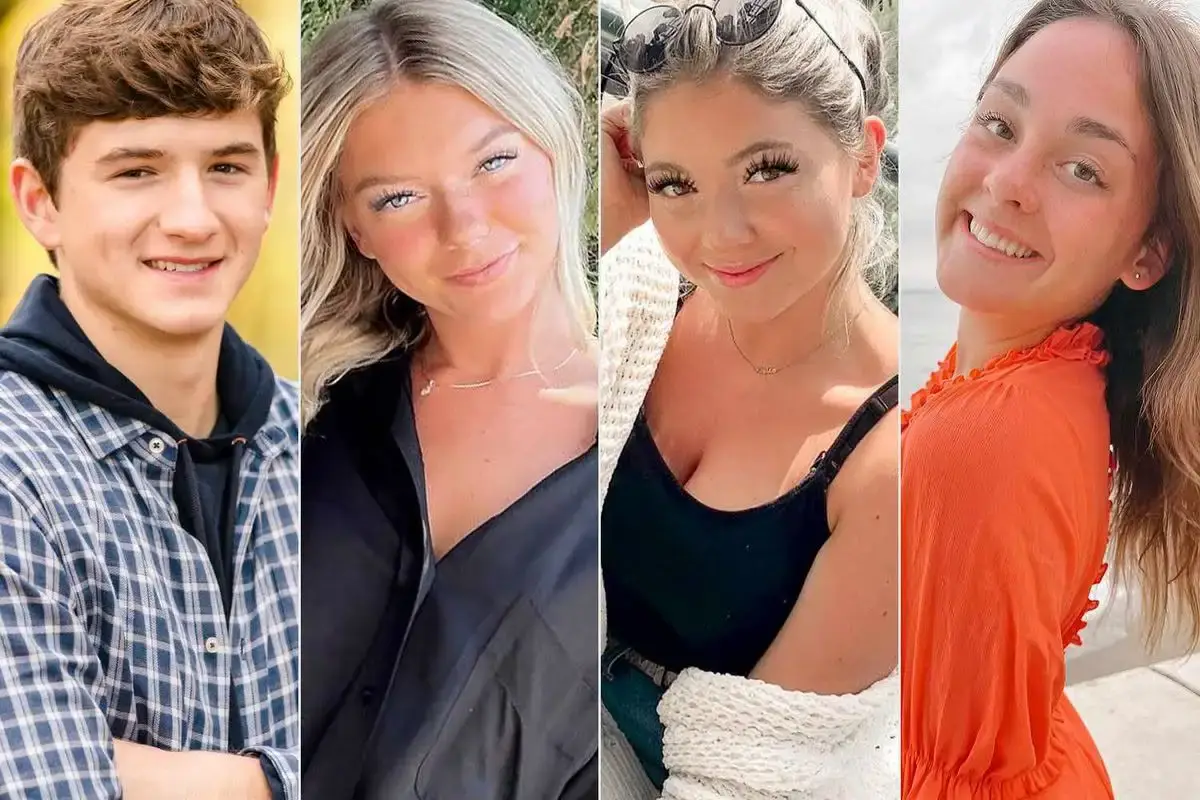
The emotional core of the documentary comes from the heartfelt interviews with parents, siblings, relatives, and close friends. Their stories bring a deeply personal perspective that courtroom filings and investigative reports cannot capture. One of the most unforgettable moments features Kaylee Goncalves' older sister, Alivea Goncalves, reflecting on her powerful victim impact statement. Looking directly at Kohberger in court, she declared, "Disappointments like you thrive on pain, on fear, and on the illusion of power, and I won't feed your beast." Her words have become one of the documentary's most emotional and defining moments.
Although the series places the victims at the center of the story, it also examines the question that continues to spark public discussion: why the murders happened. Because Kohberger pleaded guilty before trial, prosecutors never presented a complete motive in court.
Director Skye Borgman explores the available evidence and discusses theories that investigators and experts have considered, including the possibility that misogyny and the toxic "incel" subculture influenced the attack. The documentary presents these discussions carefully, making it clear that the exact motive has never been officially established while explaining why those theories continue to receive attention.
Kohberger’s decision to plead guilty in July 2025 brought the criminal case to a close without a trial, meaning many pieces of evidence and investigative details that would normally emerge in court proceedings were never presented before a jury. That decision continues to shape public interest in the case, as many questions surrounding the investigation and motive remain subjects of discussion.
Unanswered Motive Continues To Prompt Criminological And Behavioral Analysis
One question continues to haunt the Idaho murders case more than any other: Why did Bryan Kohberger do it? Because he pleaded guilty in July 2025 before the case went to trial, he was never required to explain his motive in court. Without a public confession or official explanation, criminologists, forensic psychologists, and behavioral experts have continued analyzing the available evidence in an effort to understand what may have driven one of the most shocking crimes in recent memory.
One of the most widely discussed theories focuses on Kohberger's academic background. As a PhD student in criminology at Washington State University, he had spent years studying criminal behavior and serial offenders. Some analysts have examined whether Kohberger’s academic interest in criminology and criminal behavior may have influenced how he approached the crime, although no official motive has been established.
They point to investigators' claims that Kohberger took steps to reduce his digital footprint, including periods when his phone stopped transmitting location data. Investigators have also noted that his return to the neighborhood the morning after the killings could suggest curiosity about whether the crime had been discovered, though the exact reason for that visit remains unknown.
Trending Now: Check out our most-read story of the week, the Azealia Banks Files Restraining Order Against Jeff Kwatinetz
Another theory discussed by some analysts focuses on possible misogynistic attitudes and resentment toward women, although investigators have not publicly confirmed that ideology played a role in the killings. Books examining the case, along with Netflix's The Idaho Murders: College Nightmare, discuss reports from former classmates and acquaintances who described Kohberger as having difficult interactions with women. While no court ever established that he belonged to the online "incel" subculture or that ideology motivated the attack, some experts believe the victims and the house itself may have symbolized a social life from which he felt isolated or excluded. These observations remain expert interpretations rather than proven facts, but they continue to shape discussions surrounding the case.
Forensic specialists have also examined the nature of the attack itself. According to forensic pathologist Dr. Mary Jumbelic, the injuries sustained by the victims have prompted discussions about the possibility of "overkill," a term used when wounds go far beyond what is necessary to cause death. In forensic psychology, this pattern can sometimes indicate intense emotional rage, personal fixation, or a strong desire to exert control over victims. While experts believe the injuries may offer clues about the killer's psychological state, they cannot, on their own, establish a definitive motive.
Even with years of investigation and countless expert analyses, the true reason behind the killings remains unanswered. Law enforcement officials, including Moscow Police Chief Anthony Dahlinger, have acknowledged that without an explicit confession from Kohberger, the exact motive may never be fully known. As a result, the question of why these four students and this particular home were targeted continues to fuel discussion among investigators, behavioral experts, and the public, leaving one of the case's biggest mysteries unresolved.
Idaho Manifest Injustice Standard Presents High Legal Hurdle For Plea Reversal
Bryan Kohberger's attempt to withdraw his guilty plea faces an enormous legal challenge under Idaho law. Because Kohberger has already been sentenced to four consecutive life terms without parole, withdrawing his guilty plea now requires meeting a much higher legal standard than it would have before sentencing. Idaho courts require defendants seeking post-conviction relief to meet a demanding legal standard before a conviction can be disturbed. To reverse that outcome, Kohberger must satisfy Idaho's demanding "manifest injustice" standard, one of the highest legal thresholds in the state's criminal justice system.
A major obstacle is the testimony Kohberger gave under oath when he entered his guilty plea on July 2, 2025. During the hearing, District Judge Steven Hippler carefully questioned him to ensure he understood the plea agreement and was entering it voluntarily. Kohberger confirmed that he was pleading guilty because he was guilty, that he was satisfied with his legal representation, and that no one had forced or threatened him into accepting the deal.
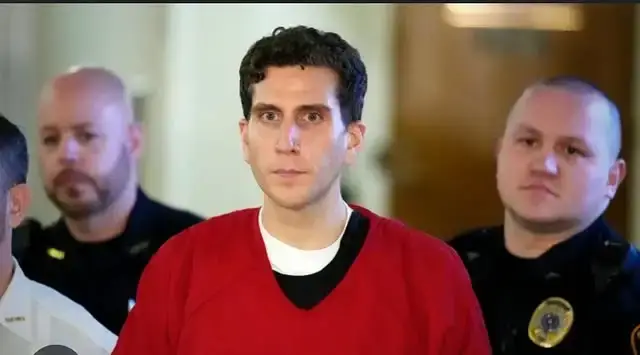
Those sworn statements now make it significantly more difficult for him to argue that he was actually coerced or that his confession was false. Idaho courts generally place considerable weight on statements made during plea hearings and rarely allow defendants to contradict them without compelling evidence.
His claims of ineffective legal representation also face a steep uphill battle. To succeed, his new legal team must meet the strict legal standard established by the U.S. Supreme Court in Strickland v. Washington. That means they must first prove that his former attorneys performed so poorly that their representation fell below constitutional requirements. They must then show that those alleged mistakes directly affected Kohberger's decision to plead guilty and that he would have chosen to stand trial if he had received different legal advice. Meeting both parts of that test is notoriously difficult, particularly given that Anne Taylor is widely recognized as one of Idaho's most experienced capital defense attorneys.
Another challenge is the role the death penalty played in the original plea negotiations. Before the agreement was reached, prosecutors intended to seek the death penalty if the case went to trial. Courts have consistently ruled that advising a client to accept a plea deal to avoid a possible death sentence is a legitimate legal strategy rather than evidence of coercion. For that reason, Kohberger's argument that he was pressured into pleading guilty may be difficult to prove unless he can present evidence that goes beyond standard plea negotiations.
Read More: Stay updated with our latest features in the Entertainment Category
Kohberger has also pointed to what he describes as previously overlooked evidence, including unidentified hair reportedly found in Ethan Chapin's hand. However, simply identifying additional evidence is not enough to overturn a guilty plea. His legal team must show that the evidence was genuinely new, could have significantly changed the outcome of the case, and was improperly withheld rather than reviewed as part of the defense's legal strategy.
If the court concludes that these claims lack sufficient support or are directly contradicted by the existing court record, the judge could dismiss the petition without even holding an evidentiary hearing, bringing Kohberger's latest legal challenge to an early end.
For More News, Entertainment, Follow CelebWikiCorner.
.webp)
.webp)
.webp)
.webp)
.webp)
.webp)
.webp)
.webp)
.webp)

.webp&description=Entertainment)
.webp&description=Entertainment)
.webp&description=Entertainment)
.webp&description=Entertainment)
.webp&description=Entertainment)
.webp&description=Entertainment)
.webp&description=Entertainment)
.webp&description=Entertainment)
.webp&description=Entertainment)