
-(1).webp)
The Backrooms phenomenon has always thrived on one unsettling idea: what if reality quietly slipped out from under you, and you didn’t even notice at first? From its eerie yellow-lit corridors to its endless, liminal maze of empty rooms, it taps into a fear that feels both modern and strangely familiar. A24’s take amplifies that dread, turning an internet legend into a cinematic experience that blurs the line between viral myth and psychological horror. As the story unfolds, every shadowed hallway and silent corner seems to suggest something just beyond comprehension.
Backrooms Ending Explained | Inside the Post-Credit Scene, A24 Lore, and Sequel Setups dives into the film’s most cryptic moments, breaking down what the ending truly reveals and how the post-credit scene reshapes everything we think we know. The film’s standout versatility and rapid rise from viral concept to a full-scale A24 production propelled it into high-profile conversations across horror and sci-fi circles. That momentum helped establish Backrooms as more than just an internet creepypasta adaptation but a growing cinematic universe with expanding lore. With its layered storytelling and sequel teases, it leaves viewers questioning how deep the maze really goes.
Backrooms Historic Independent Box Office Record Explosion
The A24 horror release Backrooms has delivered a staggering box office performance, marking one of the most explosive openings ever seen for an independent film. Directed by 20-year-old creator Kane Parsons, the $10 million production has quickly become a breakout success, drawing massive audiences and surpassing expectations across its opening weekend. It even managed to earn $10.4 million from Thursday previews alone, effectively covering its entire budget before the official release day began.
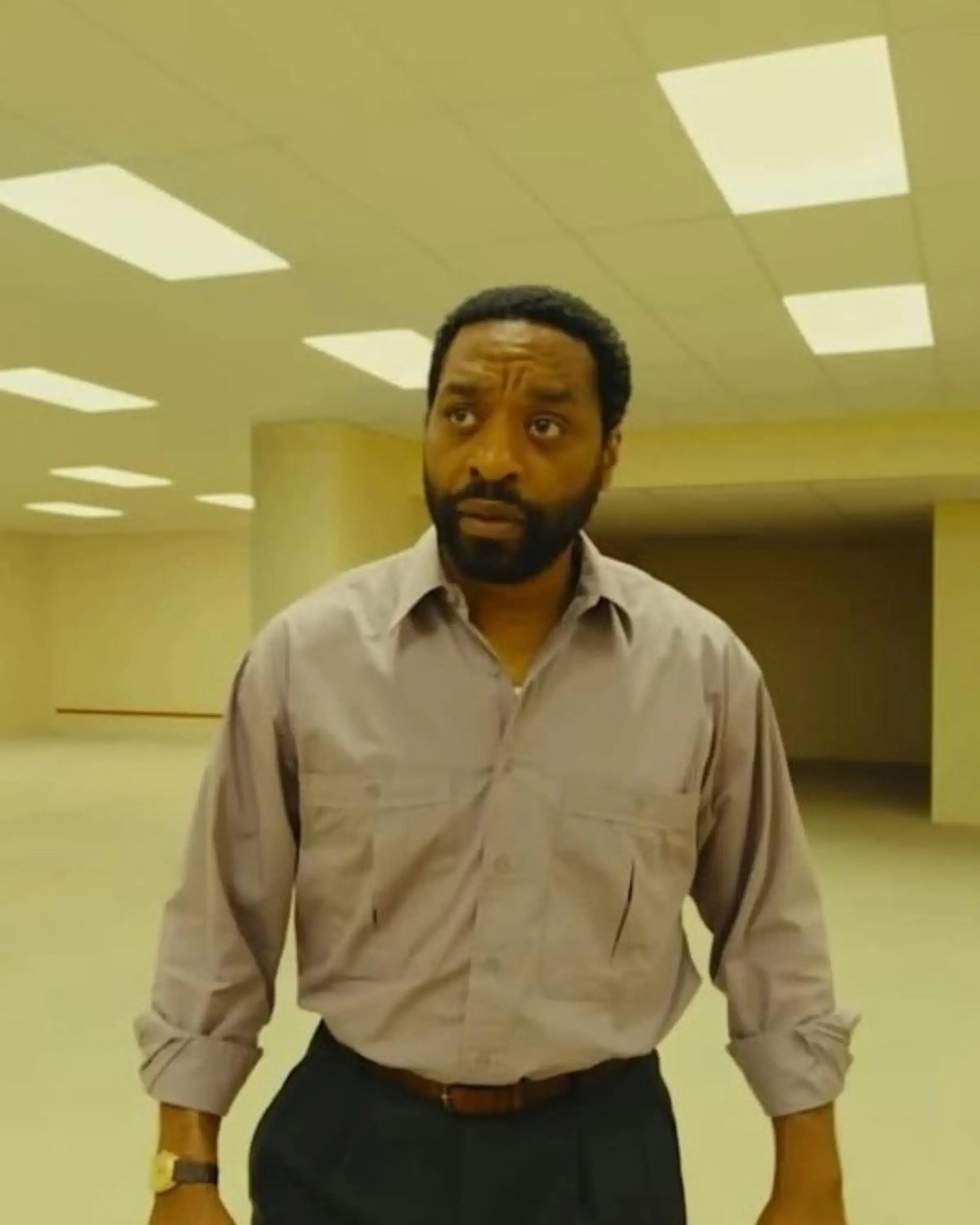
By Friday, the film had already pulled in $38 million from over 3,400 theaters, with projections pushing its global opening weekend to well over $120 million. This surge has placed Backrooms among the most successful horror debuts in history, rivaling some of the genre’s biggest titles.
It has also set new benchmarks for A24, more than tripling the studio’s previous opening record and positioning Kane Parsons as one of the youngest filmmakers to potentially lead a number-one box office hit. With a largely younger audience driving its success, the film highlights how internet-born ideas are now reshaping mainstream Hollywood at a rapid pace.
Post Credit Scene Details And Sequel Level One Confirmation
Backrooms does not include a post-credits scene, despite widespread online speculation. Once the credits begin, there is no hidden footage, mid-credit teaser, or audio stinger. Director Kane Parsons keeps the storytelling self-contained within the main film, meaning everything important to the narrative is resolved or implied before the screen fades to black. Viewers can exit at the start of the credits without missing any additional content.
Instead of relying on a post-credit hook, the film uses its ambiguous ending to set up future lore and expansions. The climax reveals the Backrooms as a shifting, non-Euclidean space that distorts human memory and emotion, turning familiar thoughts into warped, unsettling environments. Dr. Mary Klein uncovers fragments of this truth while another character, Clark, is consumed by a monstrous entity tied to the dimension’s corrupted logic. The final moments also reinforce the connection to the Async Research Institute, suggesting a much larger operation behind the exploration of this reality.
While no direct teaser appears after the credits, sequel development is already being discussed following the film’s strong reception. Early indications suggest the story may move beyond the familiar yellow-walled “Level 0” and into “Level 1,” often described in the broader Backrooms lore as a colder, industrial space filled with concrete structures and unstable lighting. This shift would expand the visual and psychological scope of the franchise, opening the door to new environments, rules, and threats within the same unsettling universe.
Kane Parsons Viral Web Series Furniture Store Plot Adaptation
The furniture store in Backrooms is more than just a setting and works as the story’s grounding point while also linking directly to the internet origins of the myth. It reflects how the original Backrooms creepypasta began with an image taken in a real, empty-looking furniture showroom, which later became the foundation of the entire online legend.
By placing the film’s early events in a similar environment, Kane Parsons ties the cinematic adaptation back to the unsettling real-world aesthetic that first made the concept go viral. This connection strengthens the sense of familiarity, making the horror feel closer and more believable as the story unfolds.
Within the film’s narrative, the store also becomes a character in itself, shaping the psychological descent of those who enter it. The story follows Clark, a struggling business owner whose failing furniture shop becomes the accidental gateway to the Backrooms after a strange discovery in its basement.
What begins as a desperate attempt to revive his store quickly turns into something far more dangerous as the space starts to distort reality and reflect the minds of those trapped inside. As Clark and his small team push further into the unknown, the boundary between the store and the endless maze begins to dissolve, drawing in therapist Dr. Mary Klein and expanding the mystery beyond anything they can control.
Reality Bending Psychological Ending and Async Scientist Explanation
The reality-bending ending of Backrooms shifts the film away from simple survival horror and into a psychological study of memory, trauma, and distorted perception. Instead of presenting the Backrooms as just an endless maze, the story reveals it as “The Complex,” a shifting, semi-sentient environment that absorbs the emotional and psychological imprints of anyone who enters it. It does not simply copy reality but warps it, creating unstable, incorrect versions of familiar places shaped by fear, regret, and unresolved experiences.
This becomes most clear in Clark’s fate, as the dimension reconstructs his fractured mindset into a distorted version of his furniture store filled with unsettling humanoid “Still Life” figures. The space responds directly to his identity, shaping itself around his memories and fears until it forms a terrifying version of his pirate mascot that ultimately turns against him. This moment reinforces the idea that the Backrooms does not simply destroy its victims but reshapes and traps them within twisted reflections of their own psyche.
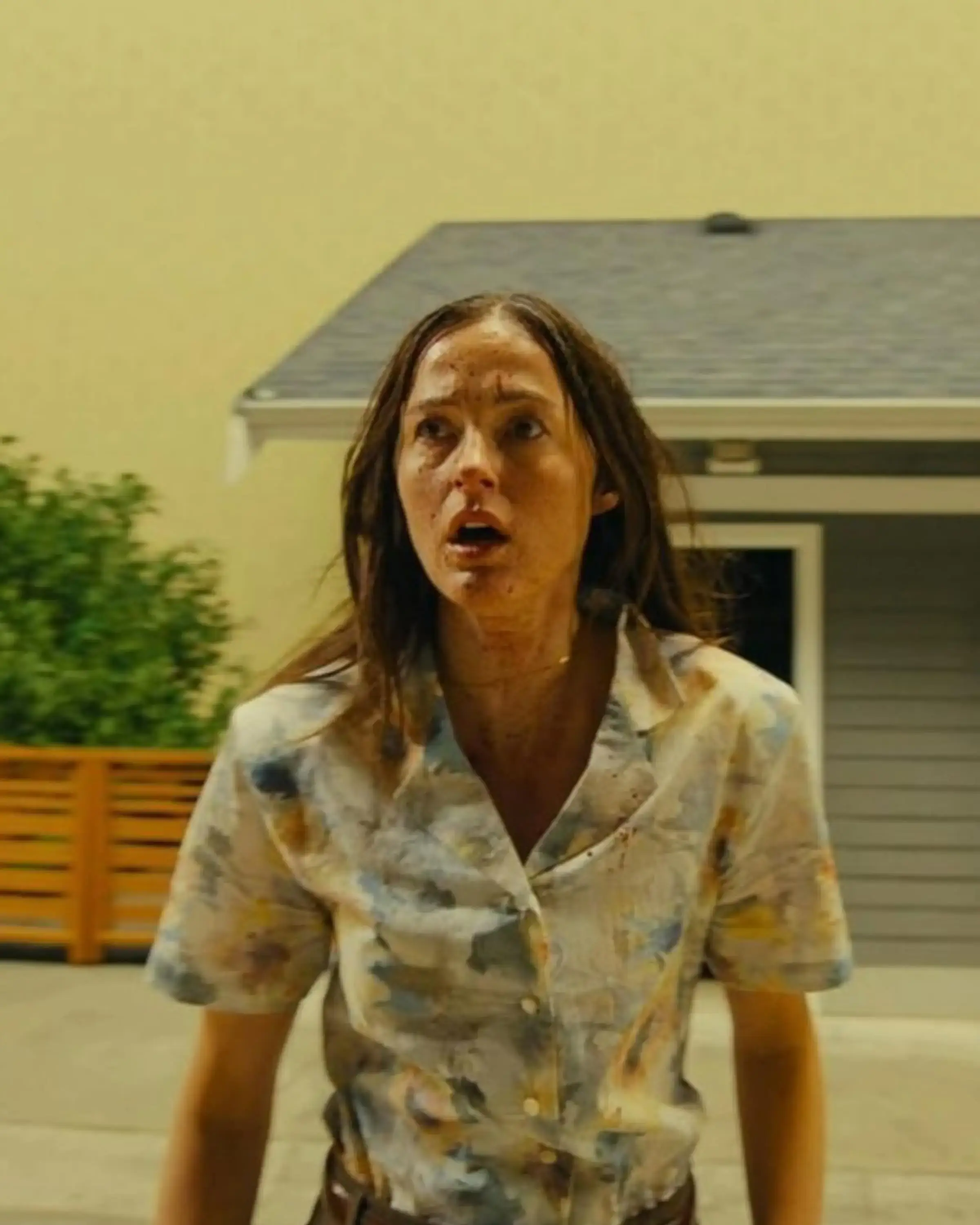
Meanwhile, Dr. Mary Klein’s journey pulls her deeper into the mystery of Async, a research organization connected to the origin of the anomaly, where she is interrogated about what she experienced and gradually realizes that the truth extends far beyond anything she can fully understand.
The final moments leave Mary’s reality deliberately uncertain. A final shot inside the labyrinth suggests she may have been reduced to another “copy” created by the Complex, or that her escape and interrogation were never fully real to begin with. This ambiguity blurs the line between perception and reality, reinforcing the film’s central idea that the Backrooms functions less like a place and more like a psychological system that reshapes anyone who enters it.
Practical Effects Seven Foot Entity Horror Monster Actor Revealed
The monster haunting the hallways in Backrooms is brought to life using a practical effects approach, with the character physically portrayed by Robert Bobroczkyi, a 7-foot-7 former basketball player known for his striking screen presence. Instead of relying heavily on CGI, director Kane Parsons uses Bobroczkyi’s natural height and unusual movement to create a more grounded and unsettling sense of horror on screen.
The creature, credited as “Pirate Clark,” is a distorted manifestation tied to the film’s psychological lore. It emerges from the Backrooms’ ability to reshape reality based on a person’s memories, drawing from Clark’s life inside his pirate-themed furniture store.
The result is a towering, warped figure that reflects both his identity and his mental collapse, making it feel less like a traditional monster and more like a physical expression of his fractured mind.
For More News, Entertainment, Follow CelebWikiCorner.
.webp)
.webp)
.webp)
.webp)
.webp)
.webp)
.webp)
.webp)
.webp)
-(1).webp&description=Backrooms Ending Explained | Inside the Post-Credit Scene, A24 Lore, and Sequel Setups)
.webp&description=Entertainment)
.webp&description=Entertainment)
.webp&description=Entertainment)
.webp&description=Entertainment)
.webp&description=Entertainment)
.webp&description=Entertainment)
.webp&description=Entertainment)
.webp&description=Entertainment)
.webp&description=Entertainment)