
.webp)
For decades, John Stamos has remained one of Hollywood’s most enduring figures, an actor whose charm, screen presence, and seemingly effortless appeal have kept audiences invested across generations. But behind the polished public image, there has always been curiosity about how he maintained that timeless look. Over the years, conversations about appearance, aging, and early cosmetic decisions have followed him, especially after Stamos openly reflected on having undergone nose surgery early in his career. His openness about those choices shifted the conversation from Hollywood gossip to something more personal: how confidence, image, and visibility can shape a career.
Yet what truly defines Stamos isn’t speculation about appearance. It’s the career longevity and versatility that allowed him to stay relevant long after many of his peers faded from view. From breakout television success to dramatic roles, live performances, and reinventions across different eras of entertainment, he has consistently adapted without losing the charisma that made audiences notice him in the first place. Every chapter of his career seems to reveal a different side of him, which may explain why, decades later, people are still watching with the same curiosity.
Interest in John Stamos’s plastic surgery journey and before-and-after conversations resurfaced after the release of his memoir If You Would Have Told Me, where he discussed the decisions openly.
John Stamos Early Career: General Hospital Fame And The Insecurities Behind It
John Stamos first stepped into Hollywood through a role that would quietly reshape his entire career trajectory. His breakthrough came with General Hospital (1982–1984), where he landed the part of Blackie Parrish on his very first audition, instantly turning an unknown young actor into a rising daytime television sensation. Though the paycheck was modest at the start, the impact was anything but small. The character’s popularity grew quickly, giving Stamos his first real fanbase and even weaving his real-life musical talent into the storyline, subtly setting the stage for his later connection to bands like The Beach Boys.
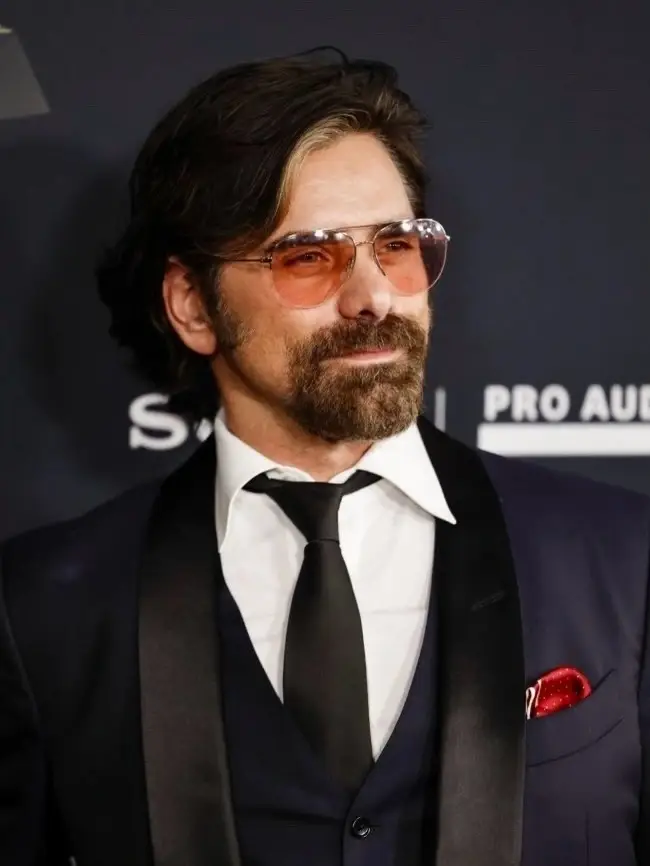
Behind the rising fame, however, came a more complicated reality shaped by pressure and self-doubt. Stamos has spoken in interviews about feeling insecure early in his career, especially about his appearance on camera after a childhood injury to his nose. Stamos later explained that growing up self-conscious about his nose and then seeing himself regularly on television influenced his decision to undergo rhinoplasty during his General Hospital years. At the same time, he was still learning the emotional demands of acting, navigating intense scenes and high-pressure moments that sometimes left him overwhelmed as a young performer.
If you love deep dives into massive streaming sensations, check out our breakdown of The Social Reckoning Trailer | Jeremy Strong is Mark Zuckerberg in 'Social Network' Sequel
As his profile grew, so did the stakes around his career decisions. Stamos eventually chose to leave the soap opera world in pursuit of comedy and broader opportunities, a move that carried significant risk at the time. Industry warnings and doubts surrounded his exit, but that leap of faith ultimately opened the door to his defining breakthrough in Full House. In hindsight, his General Hospital years stand as both a launchpad and a crucible, where early fame, personal uncertainty, and ambition collided to shape the star he would become.
Botched Peter Pan First Rhinoplasty And Production Hiatus Details
John Stamos has openly reflected on the more vulnerable and complicated side of his early Hollywood years in his 2023 memoir, If You Would Have Told Me, including his experience with rhinoplasty and the pressure of constantly being on screen. After breaking his nose as a child, a visible injury that stayed with him into adulthood, he eventually chose surgery during his early rise on General Hospital. In his memoir, Stamos described becoming increasingly focused on how he appeared on screen and acknowledged that vanity played a major role in his decision.
The results of the first procedure, however, did not meet his expectations. Stamos described the outcome in strikingly honest terms, saying the tip of his nose looked overly upturned, almost like “Peter Pan,” a change that left him feeling uneasy about his appearance. He even joked that he had quickly become the “double-nose-job guy,” highlighting how fast Hollywood labels can attach themselves to personal choices. With production schedules on daytime television running almost year-round, he had to carefully time both the initial surgery and the corrective procedure during brief production hiatuses to avoid disrupting filming.
Still dissatisfied with the early result, Stamos later underwent a revision procedure during another break in shooting, seeking a more natural and balanced look. For the correction, he turned to high-profile plastic surgeon Dr Steven Hoefflin, known for working on major celebrity cases. The revision helped restore a more grounded appearance, moving away from the exaggerated shape he had initially described. In hindsight, the experience became another example of how early fame, insecurity, and the demands of Hollywood production all collided during his formative years in the industry.
Why John Stamos Chose Michael Jackson’s Plastic Surgeon For Revision Surgery
John Stamos has often described the pressure of maintaining a camera-ready image in Hollywood as a form of high-stakes decision-making, where even medical choices could carry real career consequences. In his memoir If You Would Have Told Me, he explains how he ultimately chose Dr Steven Hoefflin, the Beverly Hills surgeon known for working with Michael Jackson, because of his reputation for handling some of the most complex facial reconstructions in the entertainment world. In both his memoir and later interviews, Stamos described the decision as less about celebrity association and more about trusting a surgeon with experience handling highly visible cases and achieving a result that felt more natural to him.

That decision went beyond celebrity association and was rooted in surgical trust under pressure. He later spoke candidly about choosing Hoefflin, citing the surgeon’s ability to deliver precise, controlled results in high-profile cases with no room for error. While the connection to Michael Jackson’s medical history often drew attention, Stamos’s goal was very different: a natural, balanced look that avoided signs of overcorrection, rather than anything dramatic or stylised.
Trending Now: Check out our most-read story of the week, the James Handy Murdered | Top Gun: Maverick & Jumanji Actor Stabbed to Death at 81
In the end, the procedure restored subtlety and proportion at a crucial moment in his rising career. Looking back, the experience reflects how closely appearance and confidence can become connected for actors working under constant public visibility, where even the smallest physical details can influence how an actor is perceived and what opportunities come next.
Male Plastic Surgery Taboo And Ageless Star Vanity Disclosure
John Stamos has spoken with unusual candour about the pressures of male beauty standards in Hollywood, contributing to a broader conversation in the entertainment industry about cosmetic procedures and appearance standards. In his 2023 memoir If You Would Have Told Me, he directly confronted the way male actors often disguise aesthetic work with medical explanations, choosing instead to frame his own experience as simple, unfiltered vanity. Rather than reframing the decision as purely medical, he acknowledged that appearance and insecurity were major factors behind it.
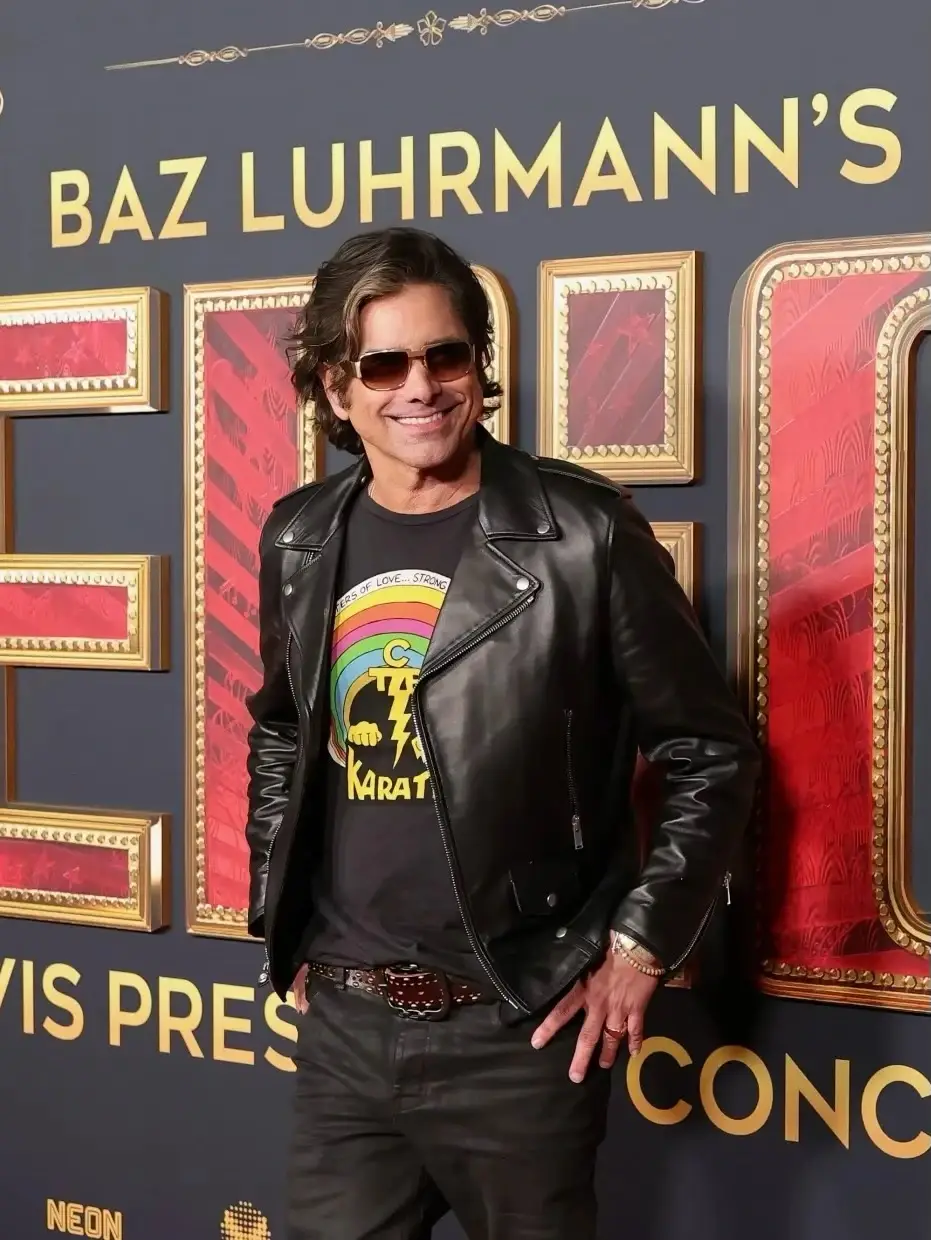
A major part of that honesty comes from the way he traces those insecurities back to his early life and to his sudden visibility on television. Stamos has reflected on childhood teasing about his appearance and how those memories resurfaced when his face became widely broadcast during his General Hospital years. At the same time, he has emphasised that his approach to aging has shifted significantly, focusing more on health and discipline than surgical change. He has credited sobriety, consistent fitness habits, and a stable family life as key factors in maintaining his energy and youthful appearance, while also acknowledging occasional subtle cosmetic maintenance in the past without relying on it as a primary strategy.
In doing so, Stamos has helped open up a broader conversation about male vanity and aging in Hollywood, where image pressures are often hidden rather than discussed. His willingness to speak directly about both past procedures and present-day routines reframes the idea of “agelessness” as shaped not just by genetics or surgery but also by lifestyle choices, discipline, and emotional grounding.
Micro Dose Botox Use And Hard No Facelift Aging Stance
John Stamos has described his approach to aging in Hollywood as a careful balance between subtle maintenance and a firm refusal to cross certain surgical lines. In a world where appearance is constantly magnified under high-definition cameras, he has leaned into a philosophy that favours preservation over transformation. Small, controlled treatments like micro-dose Botox, when used sparingly, allow him to maintain a refreshed look while preserving natural facial movement, expression, and the emotional range required for both comedy and drama.
This approach, however, comes with a clear boundary that he has repeatedly emphasised: a hard no to facelifts. For Stamos, the concern is not just aesthetic but structural, as he has noted that invasive surgery can permanently alter the face's natural geometry. Having already experienced cosmetic procedures earlier in life, he has developed a strong preference for avoiding anything that creates tight, overly altered features that can erase character and individuality. Instead, he favours aging with visible but natural lines, viewing them as part of authenticity rather than something to erase.
Read More: Stay updated with our latest features in the Luke Evans Rocky Horror Show Broadway | Inside His Tony-Nominated Frank-N-Furter Debut
To support this more restrained philosophy, Stamos focuses on non-invasive methods that prioritise skin health and overall vitality rather than dramatic alteration. This includes hydration-focused skincare, consistent fitness, and occasional modern therapies that stimulate the skin without reshaping it. He has also pointed to lifestyle factors like long-term sobriety and disciplined wellness habits as major contributors to his appearance over time. Together, these choices reflect a broader stance that aging in Hollywood does not have to mean erasure, but rather a controlled evolution that still respects natural expression and identity.
In a June 2026 podcast appearance, Stamos revisited the conversation publicly and reiterated that while he experimented with cosmetic procedures in the past, he no longer sees major facial intervention as part of aging well. Instead, he pointed to family life, sleep, exercise, and consistency as the habits that matter most to him now.
For More News, Entertainment, Follow CelebWikiCorner.
.webp)
.webp)
.webp)
.webp)
.webp)
.webp)
.webp)
.webp)
.webp)
.webp&description=John Stamos Plastic Surgery | How Michael Jackson's Surgeon Fixed His Botched Nose Job)
.webp&description=Entertainment)
.webp&description=Entertainment)
.webp&description=Entertainment)
.webp&description=Entertainment)
.webp&description=Entertainment)
.webp&description=Entertainment)
.webp&description=Entertainment)
.webp&description=Entertainment)
.webp&description=Entertainment)