
.webp)
What does it take to lose your place at fashion's most exclusive event? For celebrities, receiving an invitation to the Met Gala is a symbol of status, influence, and cultural relevance. Yet over the years, a handful of famous faces have reportedly found themselves unwelcome at the industry's biggest night, with some exclusions fueled by public feuds, controversial remarks, or clashes with the people who shape the guest list.
Behind the dazzling gowns and unforgettable red carpet moments is an event governed by exclusivity, strict etiquette, and a carefully cultivated image. The stories surrounding celebrities who have been banned, or are widely believed to have been shut out, show that the Met Gala is about far more than fashion. Every invitation sends a message, and every absence sparks speculation. Whether officially confirmed or fueled by persistent rumors, these high-profile exclusions offer a fascinating look at the power dynamics, politics, and prestige that define one of the world's most talked-about events.
How the Met Gala Guest List Is Chosen
The Met Gala guest list is one of the fashion world's best-kept secrets, and earning an invitation takes far more than fame or fortune. Every guest invitation is ultimately subject to approval by Anna Wintour and the Vogue team, even when luxury fashion brands purchase tables and nominate their own guests. This centralized approval process has become one of the defining features of the Met Gala's exclusivity.
Even luxury brands that purchase expensive tables cannot guarantee a seat without her approval, making every invitation a reflection of influence, cultural relevance, and public image. Although fashion houses purchase many of the event's tables, celebrities usually attend as invited guests of those brands rather than paying for their own tickets. That approval process ensures the final guest list reflects the event's creative vision rather than a brand's budget alone.
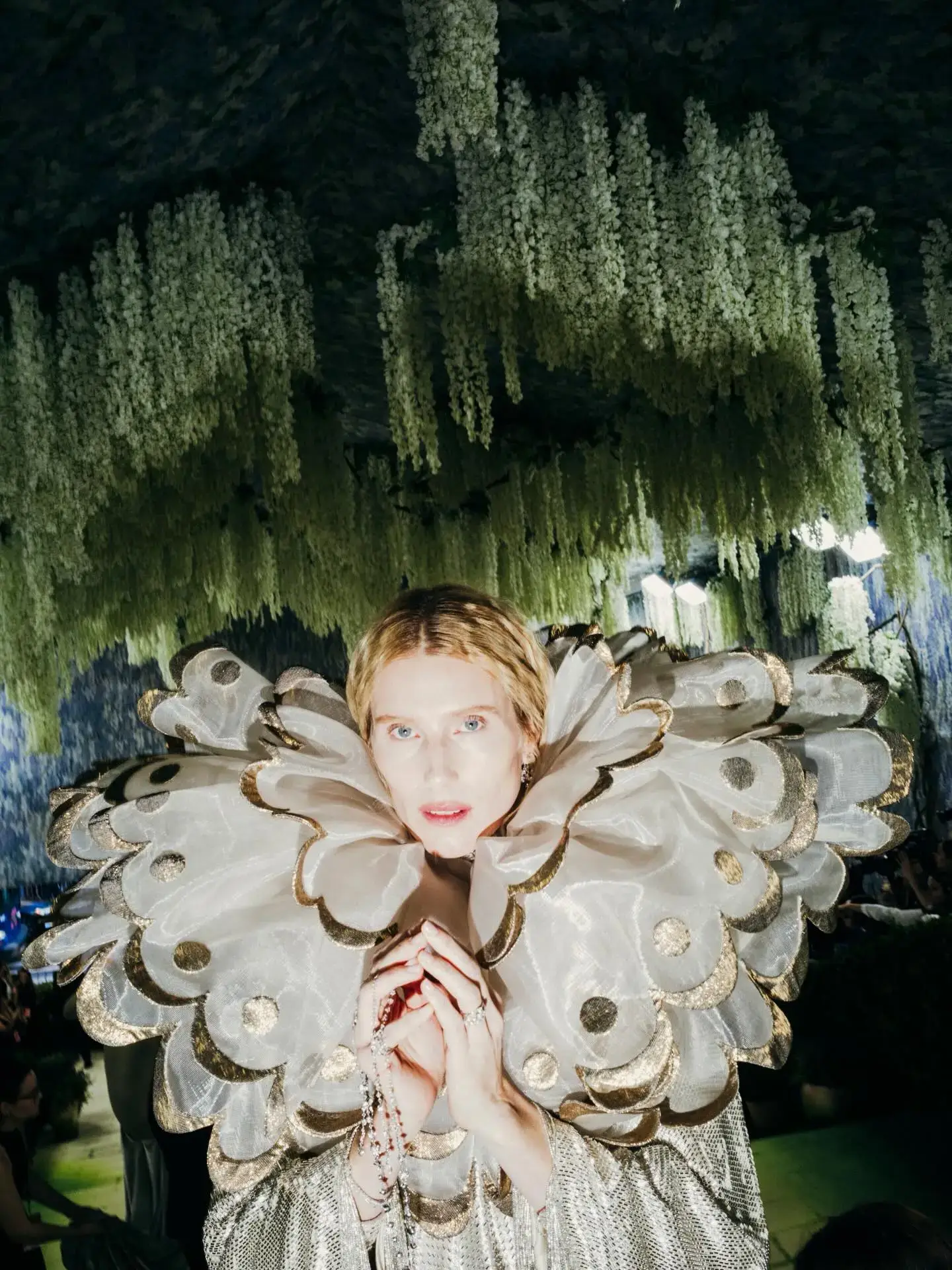
The guest list isn't the only closely guarded secret. The event's annual theme is also kept under tight wraps because it influences months of planning across the fashion industry. While planning for each exhibition begins well in advance, official details about the theme and dress code are typically kept confidential until Vogue and the Metropolitan Museum announce them. Although rumors occasionally circulate beforehand, confirmed information generally comes through official announcements.
If you love deep dives into massive streaming sensations, check out our breakdown of the Lupita Nyong’o Shutting Down The Odyssey Casting Backlash Ahead of Summer Premiere
When rumors begin to circulate, Vogue often responds with an official announcement to maintain control of the narrative and build anticipation for fashion's biggest night.
Can Celebrities Be Banned From the Met Gala?
Although there is no formal rule requiring guests to match the annual dress code exactly, attendees are generally expected to embrace the exhibition's creative vision. Fashion critics often highlight looks that miss the theme, and repeatedly ignoring the spirit of the event could affect how a celebrity is perceived by organizers and designers, even if no official penalty exists.
One of the biggest expectations is respecting the annual dress code. While there is room for interpretation, guests are generally expected to wear custom, high-fashion designs that thoughtfully engage with the year's dress code. Looks that ignore the theme often become talking points among critics and fashion fans alike.
Trending Now: Check out our most-read story of the week: "Why Is Everyone Obsessed With the Kardashians?" Inside the 2026 Media Machine and Family Backlash
Public criticism can be just as costly. Celebrities who have openly complained about the atmosphere, organization, or exclusivity of the Met Gala have fueled speculation that speaking out against the event can lead to long-term exclusion from future guest lists, reinforcing just how carefully the gala protects its image and prestige.
How Vogue Controls the Met Gala Guest List
The Met Gala is more than a glamorous fundraiser. It is one of Vogue's most powerful tools for shaping the global fashion industry. While luxury brands spend hundreds of thousands of dollars on tables, they do not control who attends. Vogue, led by Anna Wintour and its selection committee, has the final say, making every invitation a carefully calculated decision based on influence, cultural relevance, and the event's overall vision.
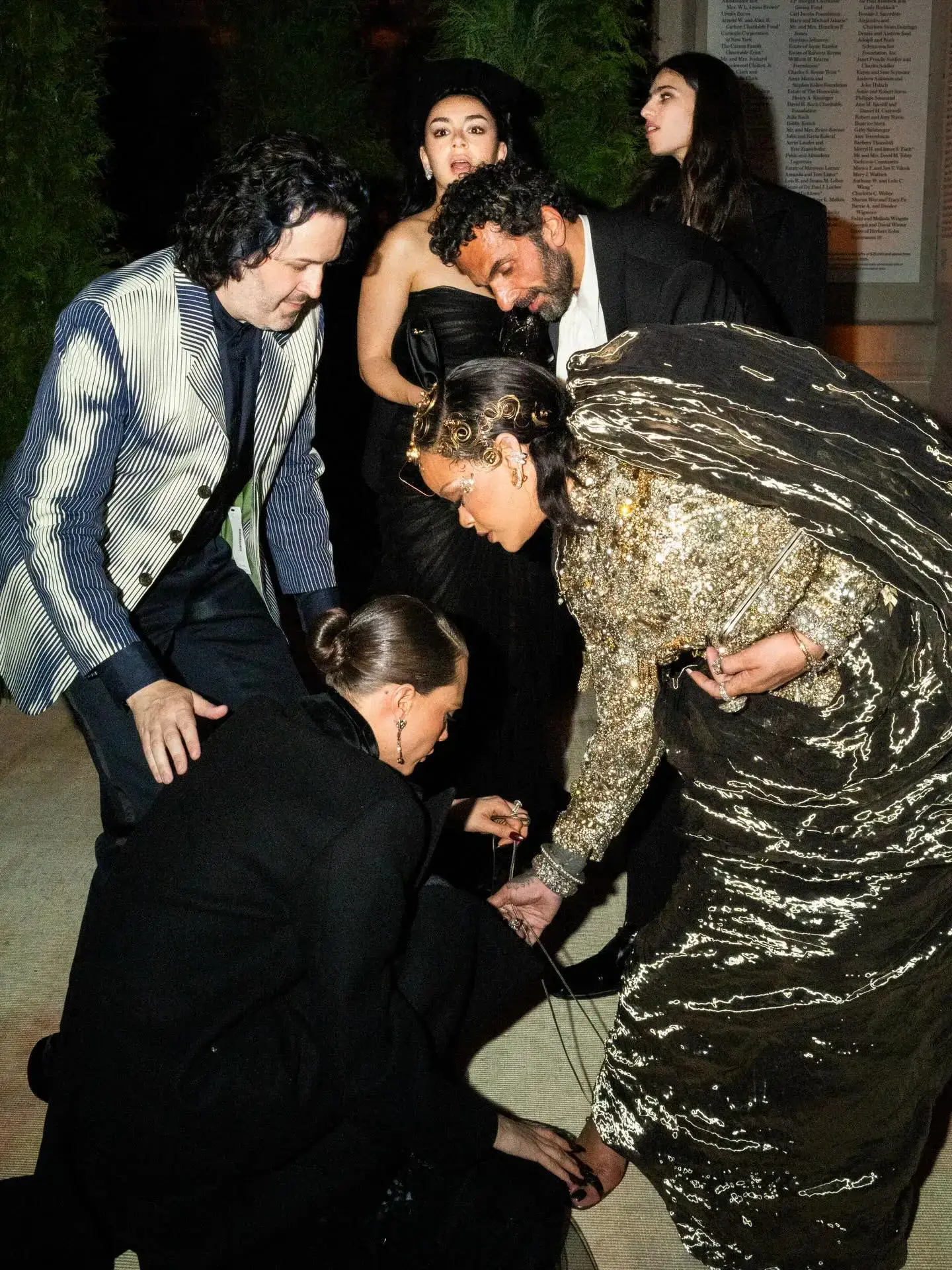
For fashion houses, securing guest spots is a delicate balancing act. Celebrity star power, brand prestige, and long-standing relationships with Condé Nast can strengthen a brand's position, but none of them guarantee approval. The approval process is widely understood to weigh factors such as cultural relevance, brand partnerships, public image, and how well a guest aligns with the event's vision, although Vogue does not publicly disclose its exact selection criteria.
If a proposed guest does not fit the Met Gala's image, Vogue can reject the invitation, leaving brands to nominate someone else despite their significant financial investment.
How Billionaires Changed the 2026 Met Gala
The 2026 Met Gala sparked debate over the growing presence of technology executives and billionaire guests, leading some commentators to question whether the event was becoming increasingly shaped by wealth and corporate influence rather than fashion alone. By 2026, individual tickets reportedly reached approximately $100,000, while tables started around $350,000, reflecting the event's growing exclusivity and fundraising ambitions. The involvement of prominent tech leaders and major technology companies fueled conversations about whether the Met Gala was drifting away from its fashion roots.
The backlash quickly spread beyond the red carpet. Social media users criticized the growing presence of billionaires, while activists and political figures questioned the event's exclusivity during a time of economic uncertainty. Much of the criticism played out on social media, where users debated the growing visibility of billionaire attendees and questioned whether the gala still reflected creativity as much as it did exclusivity.
Read More: Stay updated with our latest features in the Entertainment Category
Although the gala raised a record amount for the Costume Institute, it also became one of the most polarizing editions in recent history, highlighting the ongoing debate over whether the Met Gala can balance its charitable mission with its image as one of the world's most exclusive social events.
For More News, Entertainment, Follow CelebWikiCorner.
.webp)
.webp)
.webp)
.webp)

.webp)
.webp)
.webp)
.webp&description=Met Gala Banned List | The Celebrities Permanently Uninvited and the Politics Behind Fashion’s Biggest Night)
.webp&description=Entertainment)
.webp&description=Entertainment)
.webp&description=Entertainment)
.webp&description=Entertainment)


.webp&description=Entertainment)
.webp&description=Entertainment)
.webp&description=Entertainment)