
.webp)
When Mystikal’s name appears in headlines today, the conversation tends to extend far beyond music. Once recognised for his energy and distinctive style in hip hop, the rapper’s public image has increasingly become tied to years of legal controversy and renewed scrutiny. Recent discussion surrounding Mystikal’s sentencing in his Louisiana rape case and the courtroom proceedings leading to that outcome has once again pushed his name back into headlines, raising questions about how his legacy will ultimately be remembered.
Long before legal troubles overshadowed his career, Mystikal built a reputation as one of rap’s most distinctive voices, earning recognition through his intensity, versatility, and rapid rise in the industry. His success opened doors across music and entertainment and helped define a memorable era of hip hop. Now, as those achievements are viewed alongside ongoing controversy and legal scrutiny, the conversation around his life has become far more complicated, turning a career once defined by musical success into one increasingly shaped by legal consequences and public scrutiny.
Mystikal Negotiated Plea Agreement And Twenty-Year Sentencing Cap
Mystikal’s legal case took a decisive turn when he entered a negotiated plea agreement that set a maximum sentence. Under this deal, his potential life sentence was avoided, but the outcome still carried a severe maximum of 20 years behind bars. On June 16, 2026, an Ascension Parish Court judge in Louisiana formally imposed that maximum sentence, closing a high-profile chapter of a case that had been building since his 2022 arrest.
-(2).webp "Mystikal")
The original charges included first-degree rape along with multiple other serious accusations, such as robbery, false imprisonment, and domestic abuse battery by strangulation, any of which could have carried life-altering penalties. In March 2026, Mystikal accepted a plea deal that reduced the case to a single count of third-degree rape, with prosecutors dropping the remaining charges. Under Louisiana law, third-degree rape carries a maximum sentence of 25 years, but Mystikal’s plea agreement limited the court to a maximum of 20 years. Prosecutors dismissed additional charges as part of that agreement, allowing the case to conclude without trial.
Just days before sentencing, his defence team attempted to withdraw the guilty plea, arguing it was made under emotional pressure and without full consideration of the consequences. The court rejected that motion and proceeded under the original agreement. During the hearing, the victim described the 2022 incident in detail and requested the harshest possible punishment, while Mystikal himself told the court, “If I did that to you, I deserve the max sentence.”
The judge ultimately imposed the full 20-year term, with no eligibility for early release, meaning the sentence will extend for decades unless altered through legal proceedings.
If you love deep dives into massive streaming sensations, check out our breakdown of "Where Is Magen Fieramusca Now?" The True Story Behind Netflix's 'Stolen Baby' Movie
Last Minute Guilty Plea Withdrawal Motion Denied
A late-stage attempt to change course in Mystikal’s case was shut down in court, leaving no room to reverse the earlier plea deal. The Ascension Parish Court judge rejected the defence’s final motion, ruling that there was not enough legal basis to invalidate the guilty plea entered in March 2026. With that decision, the court moved forward under the original agreement, locking in the sentencing process just days before it was scheduled to begin.
The defence filed the motion on June 12, 2026, arguing that Mystikal entered the plea under emotional pressure and without fully understanding its long-term consequences. Attorneys asked the court to allow the plea to be withdrawn before sentencing, but prosecutors argued the agreement had already been entered knowingly and voluntarily.
The court, however, saw it differently and applied a strict legal standard for plea withdrawals. The judge noted that stress or second thoughts do not automatically invalidate a plea when it was entered knowingly and voluntarily in open court. During the March hearing, Mystikal had already confirmed under oath that he understood the agreement, the rights he was giving up, and the 20-year sentencing cap. Because of that record, the court ruled the plea remained legally binding and could not be undone at the last minute.
After the motion was denied, sentencing proceeded under the existing agreement. The victim delivered an impact statement before the judge formally imposed the sentence. The ruling reinforced that the negotiated deal would stand as written, closing off any remaining legal path to alter the outcome.
Trending Now: Check out our most-read story of the week, the Eminem and Jay-Z Reunion | Inside Their First Collaborative Song Project in 25 Years
Victim Impact Statement And Mystikal’s Courtroom Response
The sentencing hearing for Mystikal unfolded in a tense and emotional courtroom moment, where victim testimony was followed immediately by the rapper’s own response. Although portions of the case were widely covered by outlets such as Baton Rouge’s WBRZ ABC News, official recordings of the most sensitive testimony remain restricted by a standing gag order intended to protect the survivor’s privacy and safety.
During the hearing on June 16, 2026, the victim delivered a detailed and emotional statement describing the lasting impact of the 2022 assault. According to reporting from WBRZ ABC, she asked the court for the maximum possible sentence under the plea agreement and recounted a series of traumatic experiences, including being punched, choked, and forcibly assaulted.
She described being trapped inside a Prairieville home for hours, saying she was “raped and tortured” while fearing for her life, and explained that the physical and psychological effects continue to affect her health years later. Her testimony was also supported by forensic findings from a hospital rape kit.
When Mystikal was given the chance to speak, he initially turned toward the victim before the judge instructed him to address the court directly. Facing forward, he offered a brief statement: “If I did that to you, I deserve the max sentence. I’m sorry, I hope you heal.”
The wording drew attention in the courtroom and beyond, particularly his use of “If,” which observers noted was unusual given his earlier guilty plea in the case. Despite the emotional exchange, the judge closed the hearing by acknowledging both statements and formally imposing the maximum 20-year sentence, with no possibility of parole.
Past Convictions History And Sex Offender Registry Profile
Mystikal’s career has also been shaped by a long history of legal cases spanning more than two decades. Alongside his success in music, his prior convictions, arrests, and ongoing legal obligations have continued to draw public attention to his career and legacy.
The earliest major case dates back to 2003, when Mystikal pleaded guilty to sexual battery and extortion involving his hairstylist after initially facing more severe rape-related allegations. Mystikal served a six-year prison sentence and was released in 2010 after completing the full term. In 2006, while still under incarceration, he also received a federal conviction for tax-related offences tied to failure to file returns, which added to his criminal record. These early cases marked the beginning of a long legal pattern that would continue in later years.
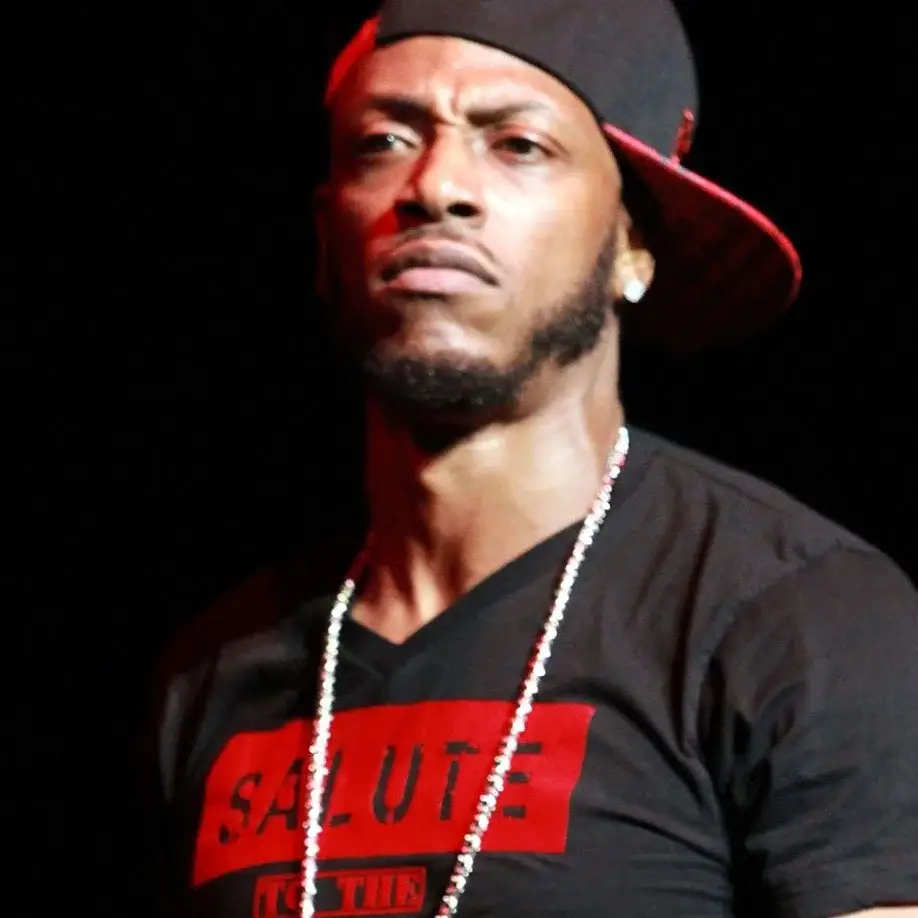
In 2012, he was arrested again on a domestic abuse battery charge, which violated his parole conditions and led to additional jail time. A more serious legal escalation came in 2017, when he was indicted on rape and kidnapping charges linked to an alleged casino incident; he spent 18 months in custody before prosecutors dropped the case due to procedural issues involving a second grand jury indictment. Despite the dismissal, the arrest further intensified public scrutiny surrounding his legal history.
Following his 2022 arrest in Louisiana, Mystikal remained in custody as the case progressed through pretrial proceedings before ultimately reaching a plea agreement and being sentenced in 2026. It resulted in a conviction for third-degree rape and a 20-year prison sentence. This case added to an already extensive legal record spanning multiple decades and jurisdictions. Because of his earlier conviction in 2003, he is also listed on sex offender registries, including both national and state-level systems, where individuals with qualifying offences are monitored and publicly documented.
Read More: Stay updated with our latest features in the Entertainment Category
His registry status carries strict long-term conditions that extend beyond incarceration, including mandatory reporting, ongoing law enforcement supervision, and restrictions on residence and proximity to schools and childcare facilities after release. Public records also typically include identifying details such as aliases, physical descriptors, and prior convictions. Together, these legal obligations ensure that his criminal history remains officially documented and continuously monitored, long after his active court cases conclude.
For More News, Entertainment, Follow CelebWikiCorner.
.webp)
.webp)
.webp)
.webp)
.webp)
.webp)
.webp)
.webp)
.webp)
.webp&description=Mystikal Sentenced to 20 Years | Inside the Rapper's Louisiana Rape Case and Courtroom Confession)
.webp&description=Entertainment)
.webp&description=Entertainment)
.webp&description=Entertainment)
.webp&description=Entertainment)
.webp&description=Entertainment)
.webp&description=Entertainment)
.webp&description=Entertainment)
.webp&description=Entertainment)
.webp&description=Entertainment)