
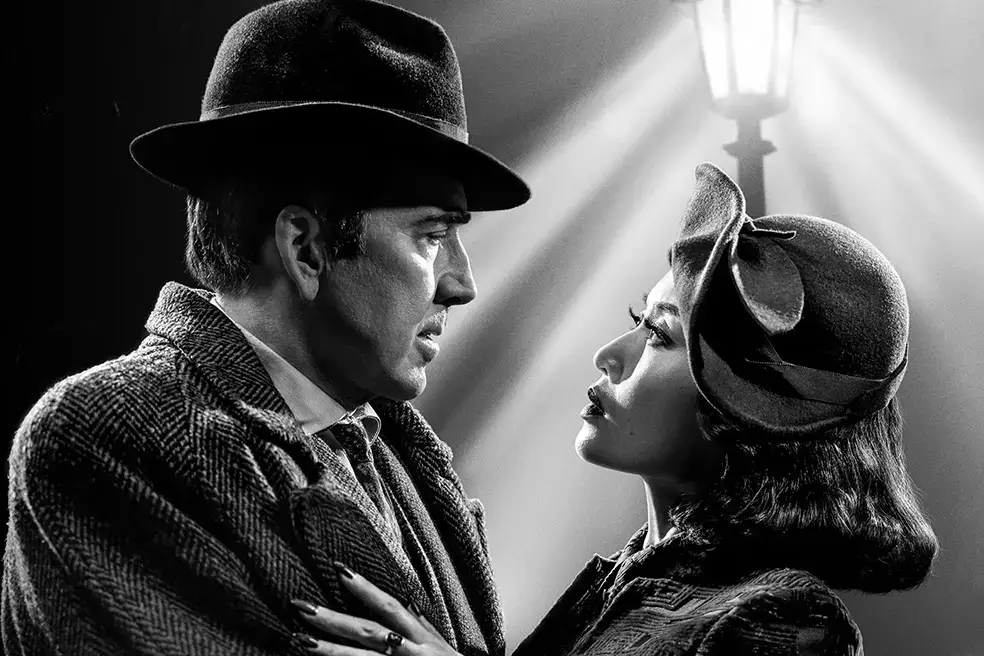
Spider-Noir is shaping up to be one of the most unique projects in the Spider-Man universe so far. With its dark black-and-white style, gritty detective atmosphere, and a version of Spider-Man that feels far more grounded and mysterious, the series has already generated strong interest among both comic-book fans and streaming audiences. What started as a fan-favorite animated character in the Spider-Verse films is now stepping into the spotlight with a live-action series that feels very different from the typical superhero formula.
Part of the excitement comes from how much the show leans into mood, suspense, and storytelling rather than nonstop action. Backed by Prime Video and an impressive cast, Spider-Noir has quickly gone from a niche multiverse character to one of the more talked-about upcoming comic-book adaptations. Its retro-inspired noir style and darker tone could give the Spider-Man franchise one of its freshest and most distinctive entries in years.
Spider Noir Dual Format Streaming And Black and White Option
One of Spider-Noir’s most fascinating features is its ambitious dual-format streaming experience, giving viewers the option to experience the series in either classic black-and-white or full color. Audiences can choose between the visually striking Authentic Black & White presentation or the more modern True-Hue Full Color version, with both formats launching separately on Prime Video.
This unique strategy not only honors the roots of classic noir cinema but also ensures the series remains accessible to a broader mainstream audience.
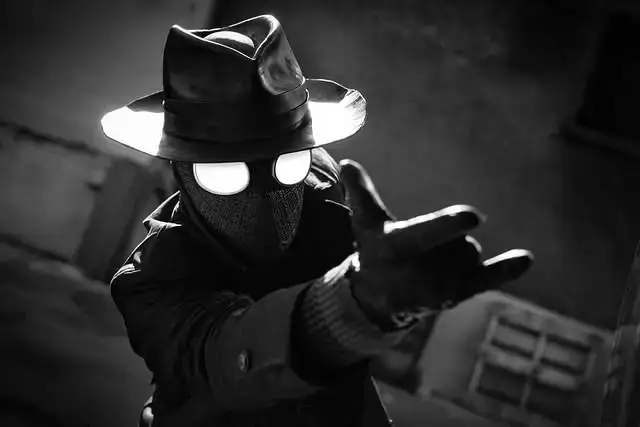
The Authentic Black & White version is designed as the pure artistic vision of the series, filmed and lit specifically to capture the haunting atmosphere of 1930s detective films. Deep shadows, sharp contrasts, and rain-soaked city streets create a gritty cinematic feel that closely mirrors the original Marvel comics.
If you love deep dives into massive streaming sensations, check out our breakdown of The Boroughs Ending Explained | Inside Netflix's New Duffer Brothers Sci-Fi Hit and Season 2 Plans
Meanwhile, the True-Hue Full Color edition brings out the era’s muted vintage tones, glowing neon lights, and explosive superhero action with added visual clarity. Because both versions appear as separate streaming feeds, viewers must select their preferred experience before pressing play, making Spider-Noir one of the rare modern superhero projects built around true cinematic choice.
Marvel Timeline Continuity And Standalone 1930s Timeline Explanation
Spider-Noir stands apart from nearly every modern Marvel project because it operates within its own completely isolated universe, free from the rules and continuity of the Marvel Cinematic Universe. Set in a dark alternate version of 1930s New York during the Great Depression, the series embraces a gritty noir identity instead of the futuristic, interconnected storytelling fans associate with the Avengers and the MCU’s Sacred Timeline.
Rather than tying itself to existing Marvel canon, the show carves out a standalone pocket reality within Sony’s expanding multiverse, giving creators far more freedom to reinvent familiar characters and themes.
One of the biggest changes comes through its lead character. While Spider-Noir is traditionally portrayed as a noir-inspired version of Peter Parker in Marvel comics and animated Spider-Verse projects, the live-action series reimagines the character through Ben Reilly, played by Nicolas Cage.
This reimagining instantly separates the series from both the MCU and Sony’s animated Spider-Verse continuity, creating a fresh identity rooted in hard-boiled crime drama and psychological mystery.
Trending Now: Check out our most-read story of the week, the Music Awards 2026 Winners | BTS, Sabrina Carpenter, and Katseye Dominate the AMAs
Chronologically, Spider-Noir unfolds decades before most major Marvel stories. While the mainline MCU timeline begins around World War II with Captain America: The First Avenger and stretches into the modern era, Spider-Noir is locked firmly in 1932, deep within a post-World War I America shaped by economic collapse, corruption, and rising organized crime. Its vintage setting transforms the superhero genre into something darker and more grounded, replacing high-tech gadgets and alien invasions with smoky alleyways, mob wars, and morally gray detectives.
The series also dramatically rewrites classic Marvel mythology to better fit its historical noir world. Characters like Ben Reilly, Flint Marko, and Lonnie Lincoln are reintroduced as World War I veterans carrying emotional scars from their past. Traditional comic-book villains are stripped of their colorful spectacle and rebuilt as ruthless gangsters and street-level crime figures operating within a dangerous underground empire.
Even the source of superhuman abilities receives a darker overhaul, with the story exploring disturbing human-animal hybrid experiments instead of the familiar radioactive accidents seen in mainstream Spider-Man lore. The result is a bold reinvention that blends Marvel mythology with the haunting realism of classic detective cinema.
Nicolas Cage Character Performance And Private Eye Inspiration Breakdown
Nicolas Cage delivers a bold, highly stylized performance in Spider-Noir, blending classic detective cinema with surreal comic-book energy. Describing his approach as “70 percent Humphrey Bogart and 30 percent Bugs Bunny,” Cage leans into the gritty noir atmosphere while adding the unpredictable eccentricity that has made his performances so iconic. The result is a version of Ben Reilly that feels world-weary, theatrical, and occasionally darkly funny.
To shape the character, Cage drew inspiration from Humphrey Bogart’s hard-boiled detective roles in The Maltese Falcon and The Big Sleep, adopting a weary posture and sharp investigative edge. He also incorporated the fast-talking vocal style of James Cagney and Edward G. Robinson to capture authentic 1930s dialogue delivery.
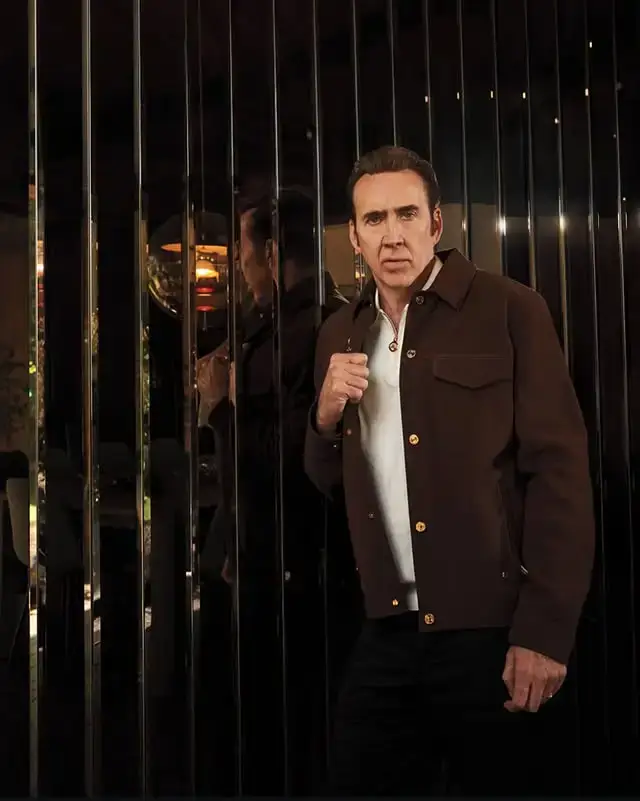
Producers describe Reilly as a damaged detective already broken by past failures, making Spider-Noir feel more like a tragic noir mystery than a traditional superhero story.
Cage also adds strange humor and unsettling physicality to the role. Inspired by Jeff Goldblum’s transformation in The Fly, he uses subtle spider-like movements and distorted body language to reflect the unnatural toll of his powers. Combined with sudden comedic bursts and theatrical acting choices, the performance gives Spider-Noir a unique identity that stands far apart from modern grounded superhero adaptations.
Prime Video Noir Ensemble Cast And Marvel Villain Adaptations
Spider-Noir on Prime Video assembles a bold, star-studded ensemble that reimagines classic Marvel characters through the smoky lens of 1930s pulp fiction. Instead of colorful superhero costumes and high-tech abilities, the series reshapes familiar figures into hard-boiled detectives, jazz-era performers, and ruthless crime-world players. This creative shift transforms the Spider-Man universe into a gritty noir sandbox filled with moral ambiguity, tension, and vintage atmosphere.
At the center of the story is Nicolas Cage as Ben Reilly, a weary private investigator known simply as “The Spider,” navigating a city steeped in corruption and personal ghosts. He is joined by Lamorne Morris as Robbie Robertson, an ambitious journalist constantly chasing dangerous truths, and Li Jun Li as Cat Hardy, a mysterious nightclub singer whose double life adds intrigue and danger. Karen Rodriguez rounds out the core team, as Janet Ruiz, Reilly’s sharp and loyal secretary, who keeps his fractured world from falling apart.
The series also retools iconic Marvel villains into grounded, era-specific reinterpretations rooted in crime, war, and experimentation. Brendan Gleeson’s Silvermane emerges as a long-reigning crime boss controlling the city’s underworld with ruthless precision, while Jack Huston’s Flint Marko becomes a traumatized World War I veteran suffering from unstable sand-based mutations.
Abraham Popoola’s Lonnie Lincoln is reimagined as a brutal enforcer tied to military conspiracies, and Andrew Lewis Caldwell’s Dirk Leydon, known as Megawatt, reflects the dangers of early genetic experimentation with volatile electrical powers. Together, these characters turn Spider-Noir into a tense, character-driven crime epic rather than a traditional superhero adventure.
Critical Review Split And Fan Response Ratings Controversy
Following its release, Spider-Noir has generated mostly positive early reactions from both critics and audiences, with much of the praise focused on its noir atmosphere, cinematography, and Nicolas Cage’s performance. However, reactions remain divided over its unconventional storytelling style and slower pacing.
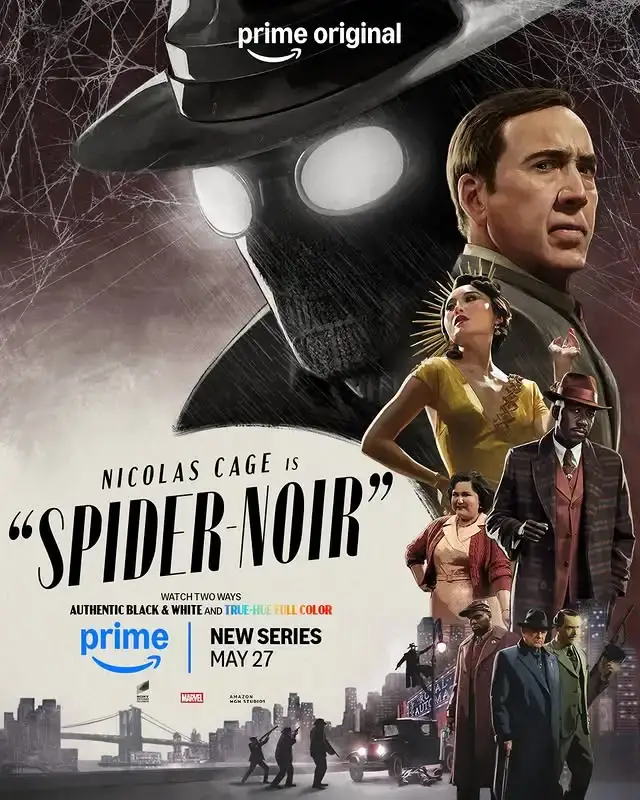
Critics remain sharply split on whether the noir-heavy aesthetic enhances or overshadows the narrative. Outlets like The Guardian and TheWrap praised it as a dazzling, stylish blend and one of the strongest genre offerings in recent memory, applauding its immersive 1930s atmosphere and standalone storytelling approach.
In contrast, reviews from Variety and The Hollywood Reporter described it as a beautiful bore, arguing that the plot leans too heavily on familiar vigilante tropes without enough emotional depth. Some reviewers, including The A.V. Club, also noted that stretching the mystery across eight episodes leads to uneven pacing and occasional repetition.
Read More: Stay updated with our latest features in the Sports Category
Audience reactions have been equally divided, fueling active discussions across Reddit and YouTube. One of the biggest talking points is the reported 150 million budget, with fans praising the detailed sets and costumes while questioning whether the heavy CGI-driven cityscapes deliver enough payoff.
Nicolas Cage’s performance has also become a major flashpoint, celebrated by many for its bold, gloriously pulpy energy but criticized by others who feel his exaggerated style overshadows emotional realism.
Meanwhile, changes to established Marvel lore have sparked debate between longtime comic fans and casual viewers, with some rejecting the reimagining of Spider Noir’s identity while others appreciate its fresh standalone direction.
For More News, Entertainment, Follow CelebWikiCorner.
.webp)
.webp)
.webp)
.webp)
.webp)
.webp)
.webp)
.webp)
.webp)

.webp&description=Entertainment)
.webp&description=Entertainment)
.webp&description=Entertainment)
.webp&description=Entertainment)
.webp&description=Entertainment)
.webp&description=Entertainment)
.webp&description=Entertainment)
.webp&description=Entertainment)
.webp&description=Entertainment)