
-(1).webp)
Just when it seems like 'Voicemails for Isabelle' is settling into a familiar romantic path, the ending takes a turn that leaves viewers rethinking everything they thought they knew. Netflix’s emotional romantic drama has drawn attention for its mix of grief, vulnerability, and the unexpected connection between Jill and Wes. Long after the credits roll, one question continues to spark discussion: do Jill and Wes actually find their way back to each other?
Blending romance with grief, mystery, and moments of quiet emotional honesty, Voicemails for Isabelle delivers more than a typical love story. The film’s ending has fueled conversations across social media, with viewers revisiting key scenes and searching for clues hidden in its final moments. Whether audiences are invested in Jill and Wes as a couple or simply trying to understand what the ending truly means, one thing is clear: this is a film people aren’t done talking about.
Why Jill Keeps Calling Isabelle’s Phone in 'Voicemails for Isabelle'
At the heart of Voicemails for Isabelle is a deeply emotional premise that transforms grief into an unexpected love story. The sudden loss of her younger sister, Isabelle, Jill (Zoey Deutch) develops a private ritual: calling Isabelle’s old phone number and leaving heartfelt voicemails. Through those messages, the aspiring San Francisco pastry chef vents about work, relationships, and everyday frustrations while quietly processing her grief.
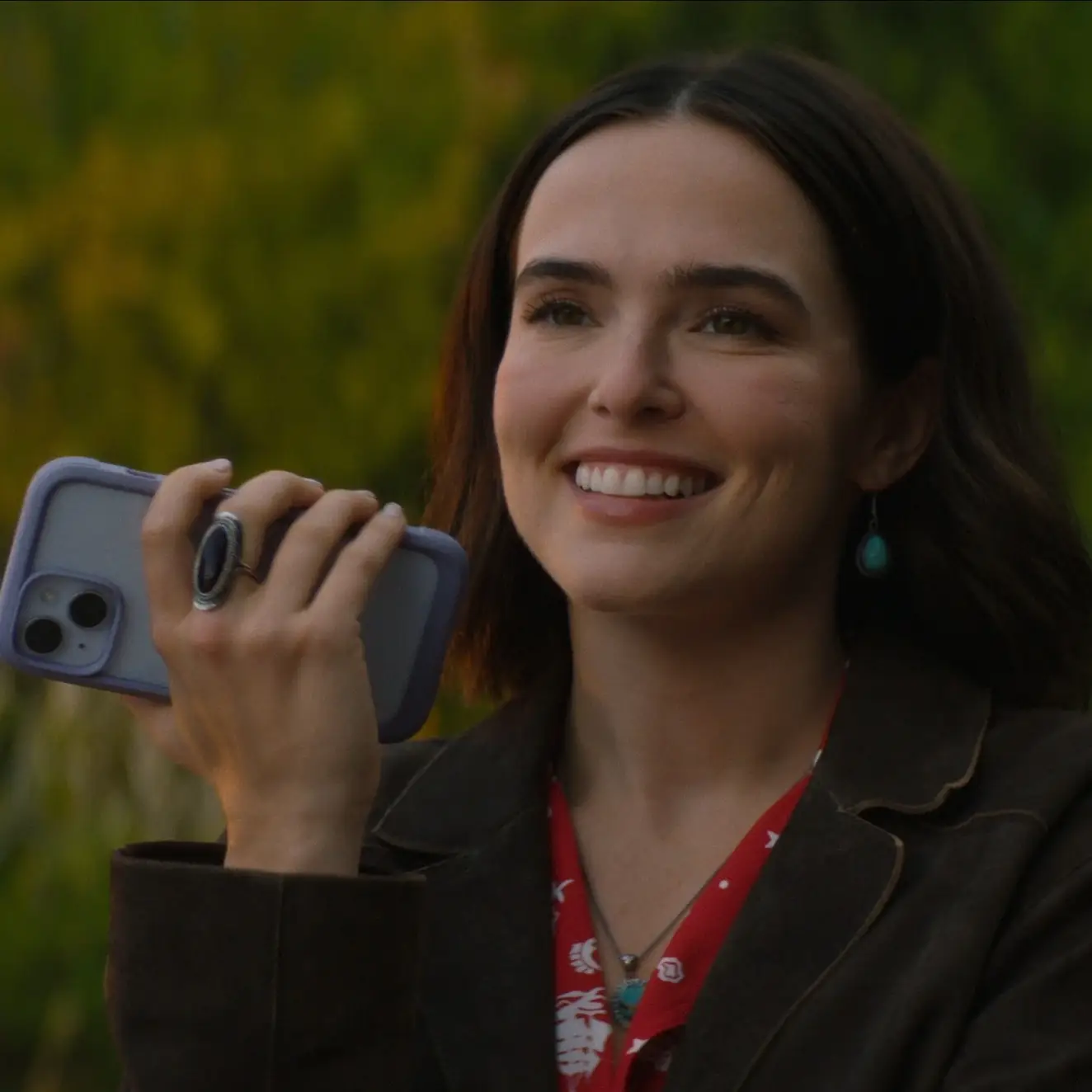
What Jill doesn’t realise is that Isabelle’s number has already been reassigned. On the other end is Wes (Nick Robinson), a real estate agent living in Austin, Texas, who unexpectedly begins receiving every voicemail. Instead of revealing the truth, Wes finds himself drawn to Jill’s voice, her personality, and the emotional stories she shares. As he listens day after day, he develops feelings for someone he has never met, creating a connection built entirely on words and emotion.
If you love deep dives into massive streaming sensations, check out our breakdown of the Toy Story 5 Release Date, Box Office Predictions, and Joan Cusack’s New Lead Arc Explained
That secret becomes the driving force behind the film’s central conflict. When Wes decides to travel to San Francisco and find Jill in person, he carries intimate knowledge of her life while remaining a complete stranger to her. The result is a heartfelt yet complicated romance that raises difficult questions about honesty, trust, and whether a relationship can survive a connection that began with such a profound secret.
How Jill and Wes’s First Meeting Changes Everything
One of the most memorable moments in Voicemails for Isabelle arrives when Jill and Wes finally meet face-to-face, transforming an emotional connection built through voicemails into something undeniably real. The stunning backdrop of San Francisco and the iconic Golden Gate Bridge, the park bench encounter serves as the film’s defining turning point. After weeks of hearing Jill’s messages, Wes eventually crosses paths with her in San Francisco, turning a one-sided emotional connection into something far more complicated.
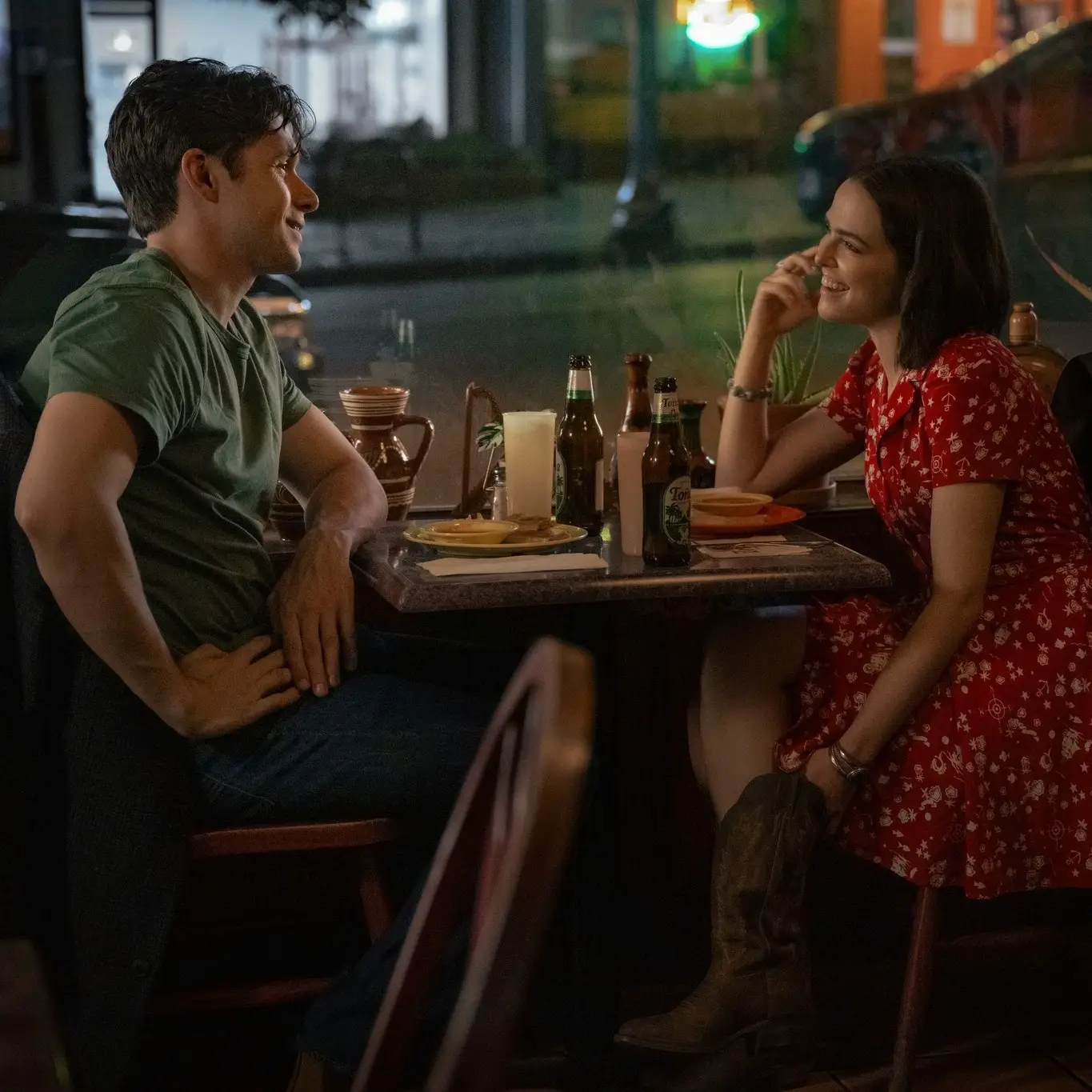
The introduction is both charming and carefully orchestrated. Knowing Jill has been desperately searching for authentic Texas-style food, Wes approaches her with an innocent question, asking if she can point him toward some good breakfast tacos. The seemingly casual remark instantly connects to one of Jill’s funniest and most memorable voicemail rants, creating a moment that feels spontaneous to her while carrying deeper meaning for him. It is a clever, playful opening that immediately sparks curiosity and conversation.
What makes the scene so captivating, however, is the chemistry between Zoey Deutch and Nick Robinson. Jill’s quick-witted, chaotic energy effortlessly bounces off Wes’s calm, thoughtful demeanour, creating a dynamic that feels natural from their very first exchange. Their interactions feel easy and believable, which helps sell the emotional tension once the audience remembers that Jill still has no idea who Wes really is.
While Wes already knows some of Jill’s most personal thoughts and vulnerabilities, Jill sees only a charming stranger sitting beside her. The tension between what is known and what remains hidden adds another layer to their romance, turning a simple conversation on a park bench into a scene filled with anticipation, emotion, and the promise of something much bigger.
Do Jill and Wes End Up Together? Ending Explained
The emotional core of Voicemails for Isabelle ultimately comes together in two powerful moments: the launch of Jill & Izzy’s dessert-nacho food truck and the film’s deeply satisfying New Year’s Eve finale. Together, these storylines bring Jill’s journey full circle, allowing her to honour her sister’s memory while finally opening herself up to love and a hopeful future with Wes.
The idea for Jill & Izzy’s is rooted in one of the sisters’ most cherished traditions. Growing up, Jill and Isabelle spent countless hours watching cooking competitions and dreaming up creative recipes together. During Isabelle’s illness, one of the few foods she could enjoy was Jill’s homemade dessert tacos. After her painful breakup with Wes and growing disillusionment with her prestigious bakery job, Jill decides to take a leap of faith and build something of her own. The business also reflects one of the film’s recurring ideas: moving forward does not mean leaving someone behind. Rather than preserving Isabelle through routine alone, Jill begins turning those memories into something she can actively build and share.
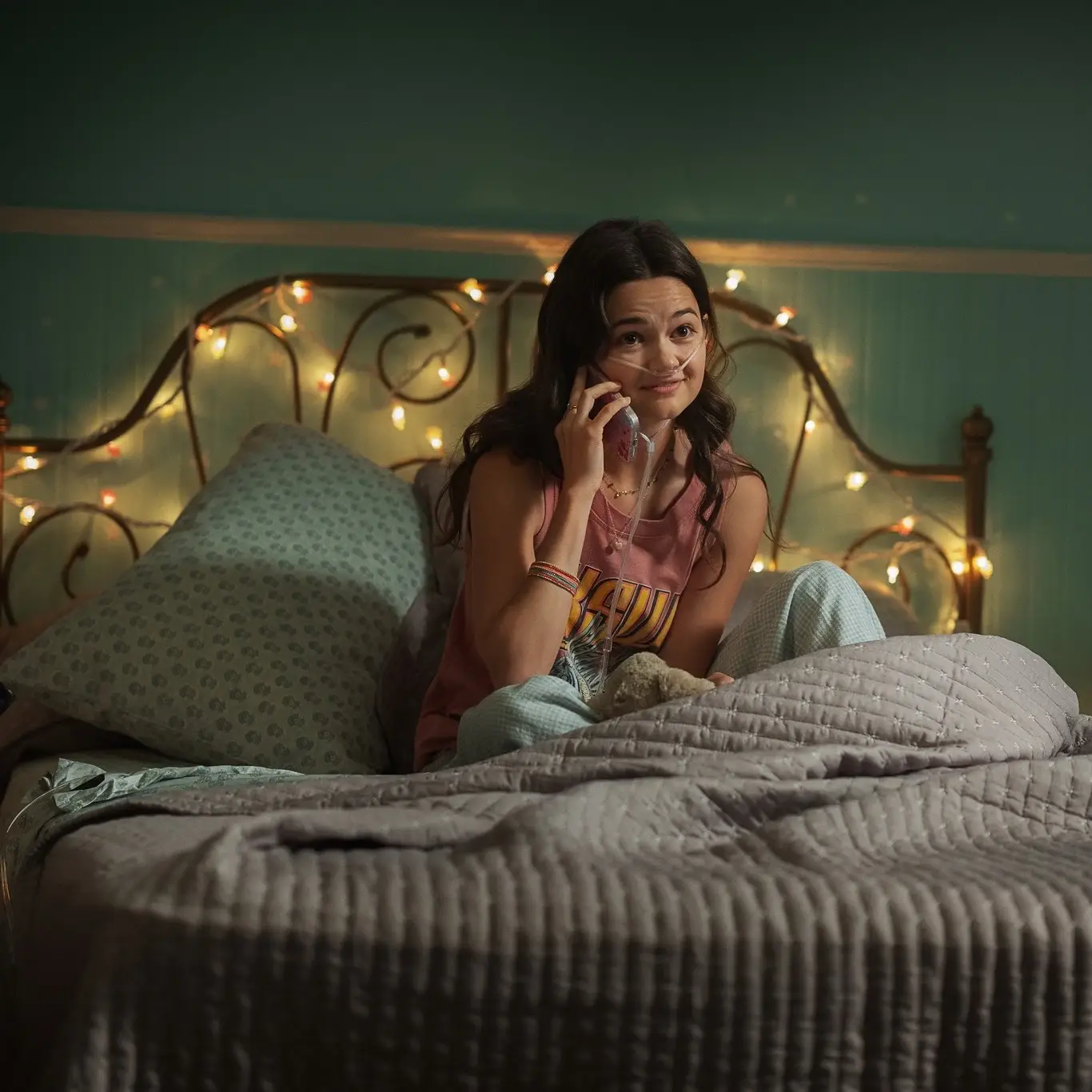
What begins as a dessert taco concept soon evolves into something even more unique. After accidentally dropping a tortilla shell and watching it break into crispy pieces, Jill finds inspiration in the mishap and reinvents her menu around dessert nachos. The idea proves a breakthrough, turning the truck into a local sensation and giving Jill the confidence to embrace her creativity on her own terms. More importantly, it becomes a living tribute to Isabelle, built from memories they once shared.
Meanwhile, Wes refuses to give up on the relationship they almost had. Determined to make things right, he goes to extraordinary lengths to recover Jill’s accidentally deleted voice diaries, restoring a part of her emotional connection to Isabelle that she feared was lost forever. His final voicemail is both romantic and selfless, revealing that he has personally ensured Isabelle’s old phone number will remain active so Jill can always reach out whenever she needs to. In a gesture that perfectly captures the film’s blend of romance and sincerity, he asks her to meet him at midnight on New Year’s Eve.
Trending Now: Check out our most-read story of the week, the I Will Find You Netflix Twist Ending Explained | Who Is Matthew’s Real Father?
The reunion delivers exactly the emotional payoff audiences have been waiting for. Racing through the rain to their favourite taco spot, Wes finds Jill already there, ready to hear him out. Having come to understand that his actions, while flawed, were never driven by malice, Jill finally lets down her guard. Their reunion suggests that, despite the hurt caused by Wes’s secrecy, Jill is willing to consider whether their connection deserves another chance. Importantly, the ending does not present romance as a cure for grief. Instead, it suggests that Jill has reached a point where she can carry Isabelle’s memory forward while reconnecting with life.
The film’s final moments provide one last emotional surprise. As Jill leaves a final voicemail for Isabelle, explaining that she is finally ready to move forward because she has found happiness again, Wes quietly asks for Isabelle’s blessing on the next chapter of their relationship. When the sisters’ favourite song unexpectedly begins playing, it feels like a gentle sign that Isabelle is still watching over them. Wes’s willingness to embrace the traditions and memories that mattered most to Jill proves he is not just part of her present but someone ready to share her future, giving Voicemails for Isabelle a heartfelt and uplifting ending that lingers long after the credits roll.
Whether the moment is read as a coincidence, a memory, or something more symbolic, the film leaves just enough room for viewers to decide for themselves.
Why San Francisco Matters in Voicemails for Isabelle
One of the most striking aspects of Voicemails for Isabelle is how beautifully San Francisco becomes a character in its own right. Rather than using the city as a simple backdrop, director Leah McKendrick and cinematographer Julia Swain weave its landscapes, neighbourhoods, and atmosphere directly into Jill’s emotional journey. Every overlook, winding street, and fog-covered skyline reflects the grief, loneliness, and hope that define her story.
Nowhere is that more evident than at the Golden Gate Overlook, the breathtaking location where Jill and Wes share their pivotal first meeting. Overlooking the bay and surrounding coastline, the location becomes more than scenery; it evolves into a space tied to memory, reflection, and change. The spot serves as Jill’s sanctuary throughout the film. It is where she retreats to leave the deeply personal voice messages meant for her late sister, Isabelle, creating a space that feels suspended between memory and possibility. The vast expanse of water surrounding her underscores the emotional distance she feels after her loss, making the location a powerful visual representation of her grief.
When Wes finally appears at the overlook, the setting takes on a new meaning. What was once a place defined by solitude gradually becomes the backdrop for connection and healing. The contrast between Jill’s isolation and the warmth Wes brings into her life is reflected in the landscape itself, transforming the overlook from a symbol of loss into one of renewal. Their meeting feels larger than a typical romantic encounter because the location already carries so much emotional weight.
The film’s visual identity is equally shaped by its embrace of authentic Bay Area textures. Rather than chasing a glossy or overly polished look, the production leans into San Francisco’s natural atmosphere. The city’s famous fog drifts through scenes like an emotional veil, softening the imagery and mirroring Jill’s uncertainty as she struggles to move forward. This choice gives the film a grounded, lived-in quality that feels refreshingly real.
At the same time, the cinematography carefully balances the cool tones of the bay with rich, inviting warmth. Golden light spills from neighbourhood bakeries, cozy restaurants, and city streets, creating a visual contrast that mirrors Jill’s emotional evolution. As romance slowly enters her life, the imagery becomes warmer and more welcoming, subtly reinforcing the shift from heartbreak to hope.
Read More: Stay updated with our latest features in the Entertainment Category
McKendrick’s personal connection to San Francisco also shines through in the film’s attention to local detail. Instead of relying solely on postcard-perfect landmarks, the story embraces the city's steep hills, layered neighbourhoods, historic architecture, and everyday charm. This authentic sense of place grounds the film’s romantic premise in a world that feels tangible and believable, allowing the emotions at the centre of Voicemails for Isabelle to resonate even more deeply. The result is a visually rich love story where every frame reflects the beauty, melancholy, and possibility of starting over.
For More News, Entertainment, Follow CelebWikiCorner.
.webp)
.webp)
.webp)
.webp)
.webp)
.webp)
.webp)
.webp)
.webp)
-(1).webp&description=Voicemails for Isabelle Ending Explained | Do Jill and Wes End Up Together?)
.webp&description=Entertainment)
.webp&description=Entertainment)
.webp&description=Entertainment)
.webp&description=Entertainment)
.webp&description=Entertainment)
.webp&description=Entertainment)
.webp&description=Entertainment)
.webp&description=Entertainment)
.webp&description=Entertainment)