
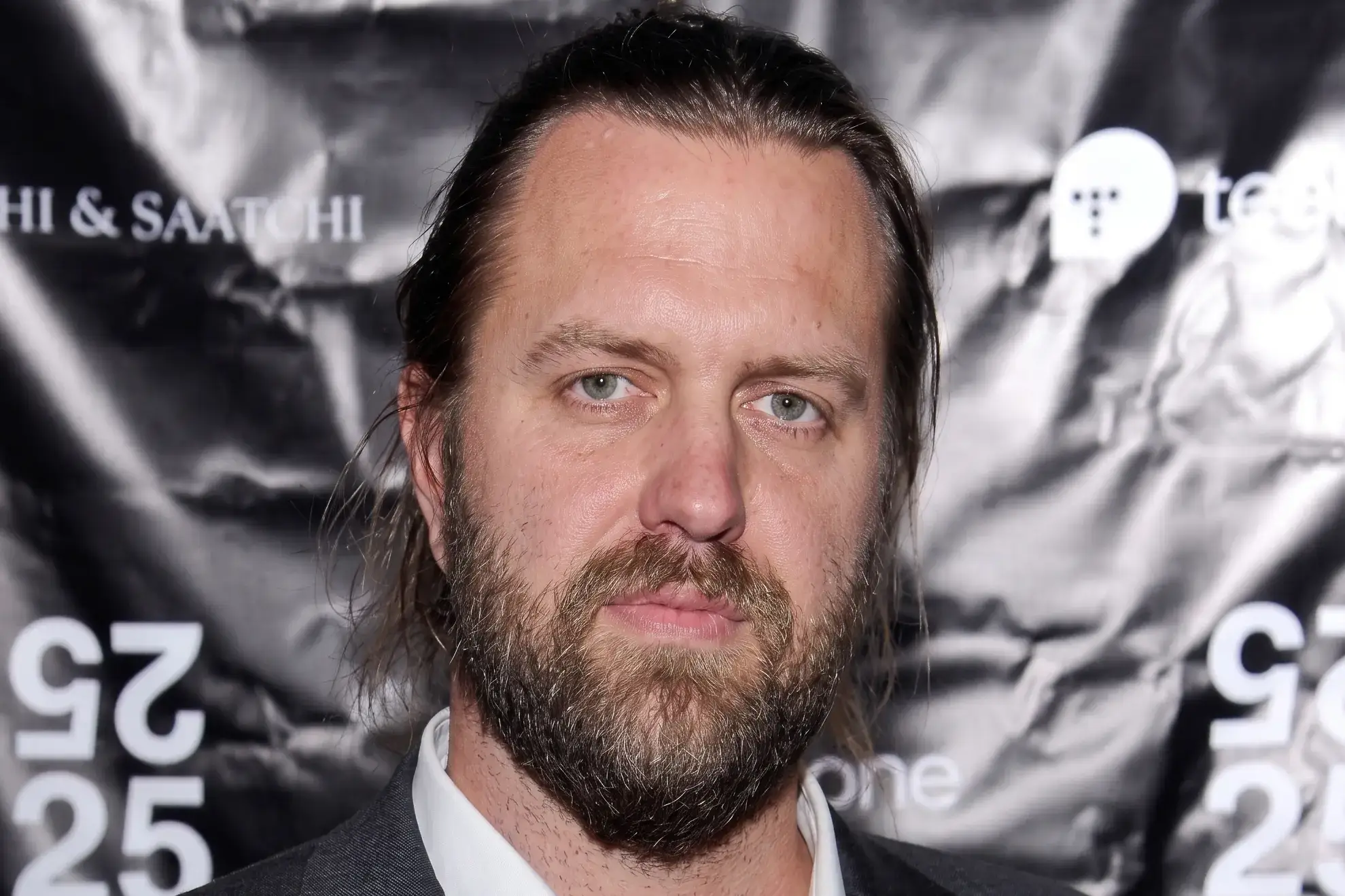
Carl Rinsch was once viewed as a promising filmmaker with a bold visual style. He gained attention through commercial work before directing 47 Ronin in 2013. For a time, he was seen as one of Hollywood’s more ambitious sci-fi directors, attracting major opportunities and industry backing. Today, Rinsch is better known for the Netflix fraud case that brought his Hollywood rise to a sudden halt. What began as an ambitious streaming project eventually turned into a federal criminal case involving missing production funds, failed creative plans, and years of controversy.
Now, Rinsch is back in the spotlight as new sentencing filings draw fresh attention to the case. Much of that focus centers on Keanu Reeves, who recently asked a judge to show leniency toward his former collaborator and longtime friend. As more details emerge ahead of sentencing, public interest in the story continues to grow. As of June 2026, Rinsch remains in federal custody awaiting sentencing while prosecutors and defense attorneys continue filing arguments ahead of the June 29 hearing.
Who Is Carl Rinsch?
Before the Netflix controversy, Carl Rinsch was best known for directing 47 Ronin, starring Keanu Reeves, and for his award-winning commercial work. He also gained industry attention through visually ambitious short films, commercials, and science-fiction concepts that attracted major studio interest long before the White Horse project entered development.
Keanu Reeves Leniency Letter For Director Carl Rinsch Sentencing
Hollywood star Keanu Reeves has stepped into one of the industry’s most controversial legal dramas by formally asking a federal judge to show “leniency and mercy” toward director Carl Rinsch ahead of his June 29, 2026, sentencing. Rinsch was convicted in December 2025 after a Manhattan federal jury found him guilty of defrauding Netflix out of $11 million. The project was later renamed Conquest during development, before production ultimately collapsed.
Prosecutors claimed the money, originally intended for production, was instead spent on risky stock trades, cryptocurrency investments, luxury vehicles, and even a $439,000 mattress, turning the case into one of the industry's most closely watched fraud cases in recent years.
Despite the conviction, Reeves’ emotional character letter paints a far more complicated picture of the director behind the headlines. The actor, who worked with Rinsch on 47 Ronin and reportedly mentored him during the development of White Horse, described a friendship that stretched over 15 years.
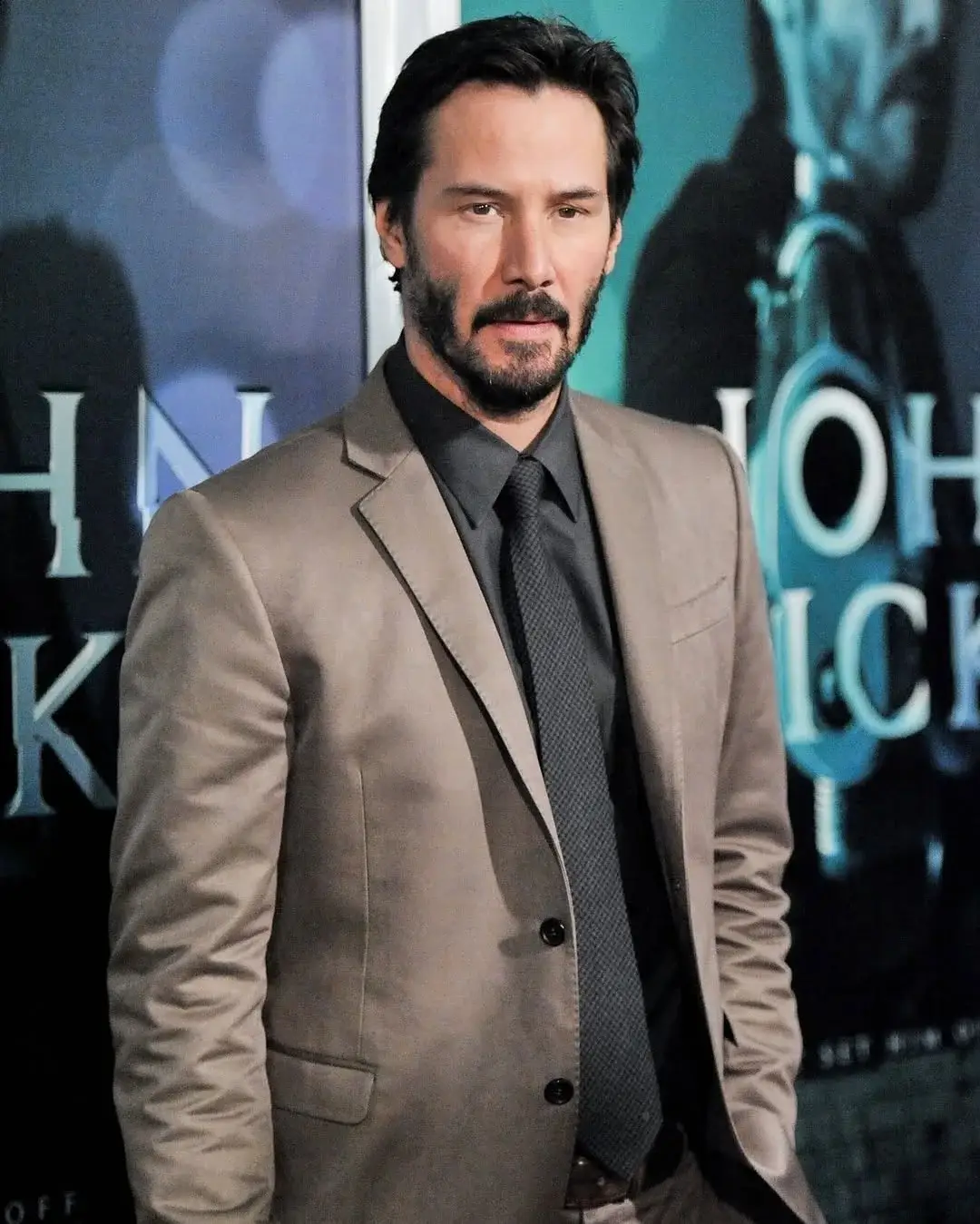
Reeves even revealed he served as a witness at Rinsch’s wedding, emphasizing the deep personal connection between them. Rather than portraying Rinsch as intentionally deceptive, Reeves suggested the director’s actions reflected “self-sabotage” and worsening instability that spiraled out of control during production.
Reeves also defended Rinsch’s creative abilities, calling the unfinished White Horse project a “visionary work” that still showcased extraordinary artistic ambition. According to defense filings submitted ahead of sentencing, Rinsch's attorneys argue that he experienced serious psychological struggles during the production period, an argument they are using to seek a reduced sentence. Reports have also claimed that Reeves participated in a 2019 intervention effort to help the director during a difficult period. The defense team is now using those details to argue against lengthy prison time, pointing to Rinsch’s lack of prior criminal history and deteriorating mental state during the events surrounding the fraud case.
Related: Read our coverage of Ray J's recent controversies and the public reaction surrounding his latest headlines.
Still, public reaction to Reeves’ plea has been sharply divided online. While some fans praised the actor’s loyalty and compassion toward a longtime friend, others criticized the letter for appearing to soften the seriousness of the fraud allegations. Although Rinsch faces a maximum sentence of 90 years across multiple federal counts, sentencing guidelines and legal analysts expect a significantly lower sentence. Recent court filings indicate the defense believes the likely guideline range is closer to 8 to 10 years, while Netflix is also seeking restitution and millions in additional legal fees.
In addition to seeking repayment of the original $11 million, Netflix has reportedly requested roughly $4.4 million in additional legal fees tied to related civil disputes and its cooperation with federal prosecutors.
As sentencing approaches, the case continues to fuel debate over how courts should weigh personal struggles, professional reputation, and accountability in high-profile financial crime cases.
Carl Rinsch Self-Sabotage Psychological Insight And Creative Partnership
The defense of Carl Rinsch is centered on the argument that his actions were driven more by psychological self-sabotage than calculated fraud. Ahead of his June 29, 2026, sentencing, Rinsch’s legal team claimed the director was suffering from severe mental instability during the production of Netflix’s White Horse series.
They argued that his obsession with expanding creative projects and worsening mental health pushed him into reckless financial decisions involving crypto, stocks, and luxury purchases.
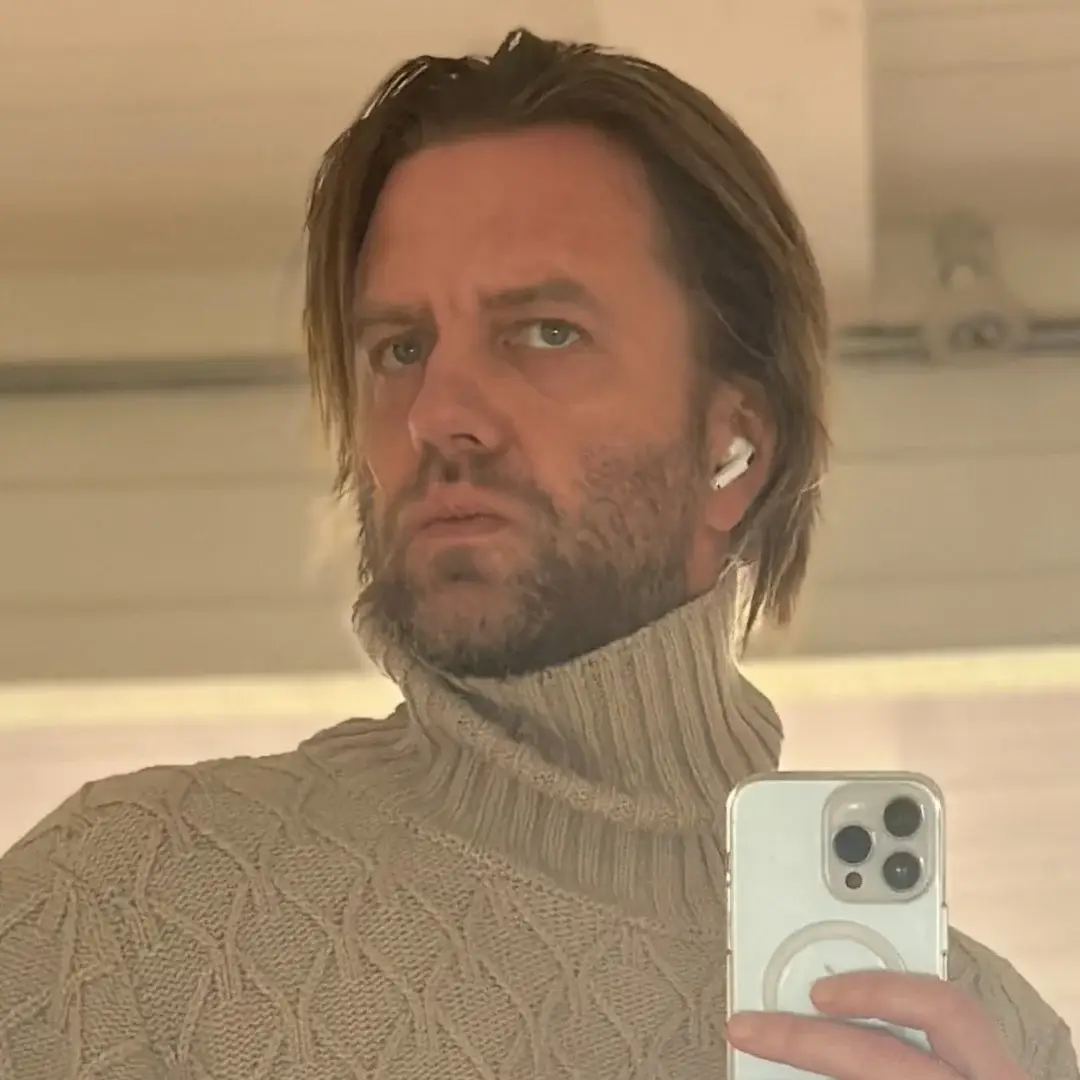
A major part of that defense comes from Keanu Reeves, who described Rinsch as a visionary artist struggling with destructive perfectionism rather than malicious intent. Their creative partnership began during 47 Ronin and later continued through the White Horse project, which Reeves strongly supported behind the scenes.
Reeves also reportedly joined a 2019 intervention as Rinsch’s mental health declined. In his letter to the judge, he urged the court to show leniency and mercy toward the director despite his conviction.
Defrauded Netflix White Horse Sci Fi Series Budget Loss Breakdown
Netflix invested roughly $55 million in Carl Rinsch’s unreleased sci-fi series White Horse, making it one of Netflix's most expensive unfinished productions. The first $44 million budget was spent during a chaotic overseas production that produced no completed episodes. But the biggest controversy came in March 2020, when Netflix wired an additional $11 million after Rinsch claimed the funds were needed for crew salaries and post-production work. Federal prosecutors later argued that the entire amount was secretly diverted into Rinsch’s personal accounts instead.
Court records revealed that more than half of the $11 million was quickly lost through risky stock market trades, particularly options tied to pharmaceutical company Gilead Sciences. After those losses, Rinsch reportedly shifted the remaining money into cryptocurrency investments, including Dogecoin, which briefly generated major profits.
Prosecutors say those profits were never returned to the White Horse production and were instead used to fund a luxury spending spree involving five Rolls-Royces, a Ferrari, expensive Swiss watches, designer goods, and nearly $4 million worth of high-end furniture and handcrafted mattresses.
Trending Now: Check out our most-read story of the week, the Where Is Jaclyn Smith Now? The Truth Behind the 80-Year-Old 'Charlie’s Angels' Star's Real Beauty Secret
The investigation also uncovered payments tied to personal credit card debt, luxury hotel stays, hundreds of food delivery orders, and legal fees connected to Rinsch’s divorce and lawsuits. Despite the enormous investment, Netflix was left with only a conceptual trailer and a handful of unfinished proof-of-concept episodes. Federal prosecutors now argue the case was not simply a failed production, but a deliberate fraud scheme that transformed a promising sci-fi project into one of Hollywood’s most infamous financial disasters.
Luxury Spending Spree Details And Misappropriated Crypto Funds
Federal prosecutors revealed that Carl Rinsch used Netflix’s missing $11 million to finance an extravagant luxury lifestyle after routing it through risky cryptocurrency trades. According to court records, Rinsch first lost more than $5.5 million through volatile stock market options before moving roughly $4 million into Dogecoin on the Kraken crypto exchange.
The gamble unexpectedly paid off during Dogecoin’s massive rise, reportedly turning the remaining funds into nearly $27 million. Instead of returning the money to Netflix or completing the unfinished White Horse series, prosecutors say Rinsch transferred the profits into his personal accounts and began spending heavily on luxury assets.
The spending spree quickly became one of the trial's most widely discussed details. Rinsch reportedly spent around $2.4 million on a fleet of luxury vehicles, including five Rolls-Royces and a red Ferrari, later claiming they were intended as production props for the sci-fi series. He also spent nearly $3.8 million furnishing a mansion with ultra-expensive antiques, designer décor, and two handcrafted Swedish Hästens mattresses worth a combined $638,000, including a single $439,000 Grand Vividus mattress. Prosecutors additionally traced hundreds of thousands of dollars toward luxury Swiss watches, designer linens, hotel stays, and hundreds of Postmates and Uber Eats orders.
Now, ahead of his June 29, 2026, sentencing, federal authorities have already seized many of the remaining luxury assets, including vehicles, watches, and portions of the remaining cash. But because much of the money was burned on unrecoverable lifestyle expenses and depreciating luxury goods, Netflix is still expected to absorb massive losses. Prosecutors continue to argue the spending pattern showed deliberate fraud rather than simple financial mismanagement tied to a failed production.
Maximum Prison Sentence, Theoretical Exposure, And June Federal Sentencing
Carl Rinsch faces a statutory maximum sentence of up to 90 years in prison following his December 2025 conviction for defrauding Netflix, a figure that represents the combined theoretical exposure across seven federal counts. The charges include wire fraud, money laundering, and multiple counts of unlawful monetary transactions tied to the $11 million diverted from the White Horse production budget. Prosecutors say each count carries significant penalties that, if stacked consecutively, result in the headline “90-year maximum” often cited in court filings.
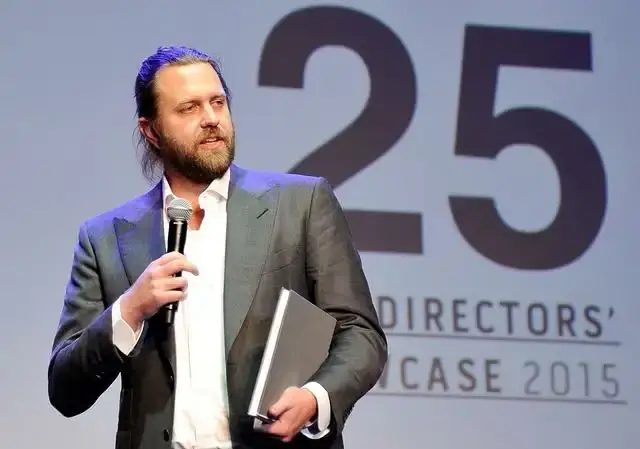
In reality, federal sentencing guidelines paint a very different picture for the upcoming June 2026 hearing. Judges typically avoid imposing consecutive maximum sentences unless in extreme cases, and analysts expect Rinsch’s actual term to fall closer to 8 to 10 years, depending on how the court weighs financial loss, intent, and his lack of prior criminal history. Still, prosecutors are pushing for a harsher outcome, arguing that his deception used Netflix funds under false production claims and continued through large-scale luxury spending.
Read More: Stay updated with our latest features in the Sport Category
The defense, meanwhile, is seeking a significantly reduced sentence, pointing to psychological instability and a so-called “state of psychosis” during the events in question. With sentencing scheduled for June 29, Judge Jed Rakoff will ultimately decide how heavily to weigh the financial losses, Rinsch's personal circumstances, and the arguments presented by both prosecutors and the defense. The decision could determine not only his prison term but also the amount of restitution and the extent of asset forfeiture tied to the case.
For More News, Entertainment, Follow CelebWikiCorner.
.webp)
.webp)
.webp)
.webp)
.webp)
.webp)
.webp)
.webp)
.webp)

.webp&description=Entertainment)
.webp&description=Entertainment)
.webp&description=Entertainment)
.webp&description=Entertainment)
.webp&description=Entertainment)
.webp&description=Entertainment)
.webp&description=Entertainment)
.webp&description=Entertainment)
.webp&description=Entertainment)