
.webp)
The 2026 Met Gala boycott is still dominating conversations across fashion, celebrity culture, and social media, but what really turned a single night of couture into a global controversy that refuses to fade? From viral runway moments to unexpected protest symbolism, the event has evolved far beyond a red carpet spectacle into a cultural flashpoint that keeps audiences questioning what fashion’s biggest stage now represents. When luxury, activism, and celebrity influence collide this intensely, can any event truly stay just a “celebration” anymore?
Zendaya and Bella Hadid have become central figures in this ongoing debate, with their influence and versatility often cited as a driving force behind the shift toward more independent, sustainability-focused fashion movements. At the same time, the growing “Bezos backlash” narrative has fueled broader discussions about corporate power and its presence in elite cultural spaces such as Vogue and the Met Gala. So what exactly is happening behind the glamour? Are we witnessing a reinvention of fashion culture or the beginning of a deeper divide?
The Meaning Of The “Ball Without Billionaires” In Fashion Activism.
The “Ball Without Billionaires,” often called the “Working People’s Met Gala,” is a fashion activism movement that critiques the influence of extreme wealth and corporate power in the fashion industry.
Held in parallel with high-profile events like the Met Gala, it shifts the focus away from luxury branding and celebrity exclusivity toward the people who actually sustain the industry: workers, artisans, and emerging designers.
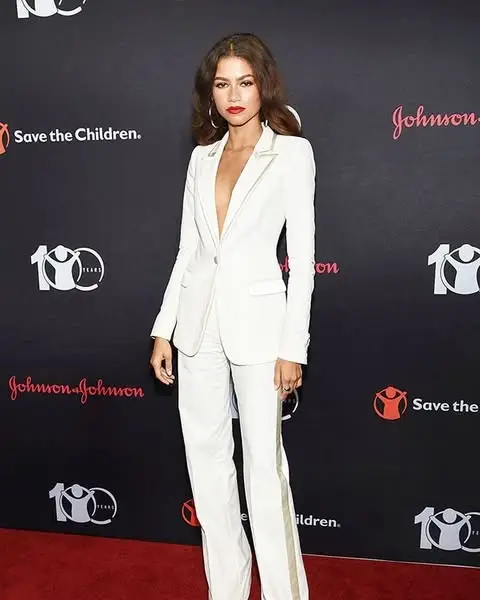
The movement highlights labor conditions and inequality by featuring participants from industries such as retail, food service, and media, as well as independent, immigrant, and BIPOC designers.
Through slogans like “Labor is Art” and “Art Belongs to Everyone,” it challenges the idea that creativity belongs only to elite fashion houses, instead framing fashion as something built collectively by everyday people and their labor.
The Public Reaction To The Anti-Met Gala Fashion Protest.
Public reaction to the anti–Met Gala protest and the “Ball Without Billionaires” movement has been largely shaped by their strong messages about labor rights and inequality in the fashion industry.
Many people online supported the counter-event for shifting attention away from luxury exclusivity and toward the workers who sustain the fashion system, including retail staff, warehouse employees, and emerging independent designers.
Social media helped amplify the movement through viral videos and slogans like “Labor is Art,” which resonated with audiences frustrated by rising living costs and perceived excess in elite cultural events.
At the same time, the protest sparked debate, with some defending the traditional Met Gala as a celebration of art and creativity, while others saw the counter-runway as a necessary critique of the concentration of wealth and corporate influence in fashion.
The Symbolism Behind The “Blinded By Money” Meme.
The “Blinded by Money” meme, inspired by a viral 2026 Met Gala look associated with Sarah Paulson, has come to symbolize wealth-induced blindness and growing criticism of inequality in elite cultural spaces.
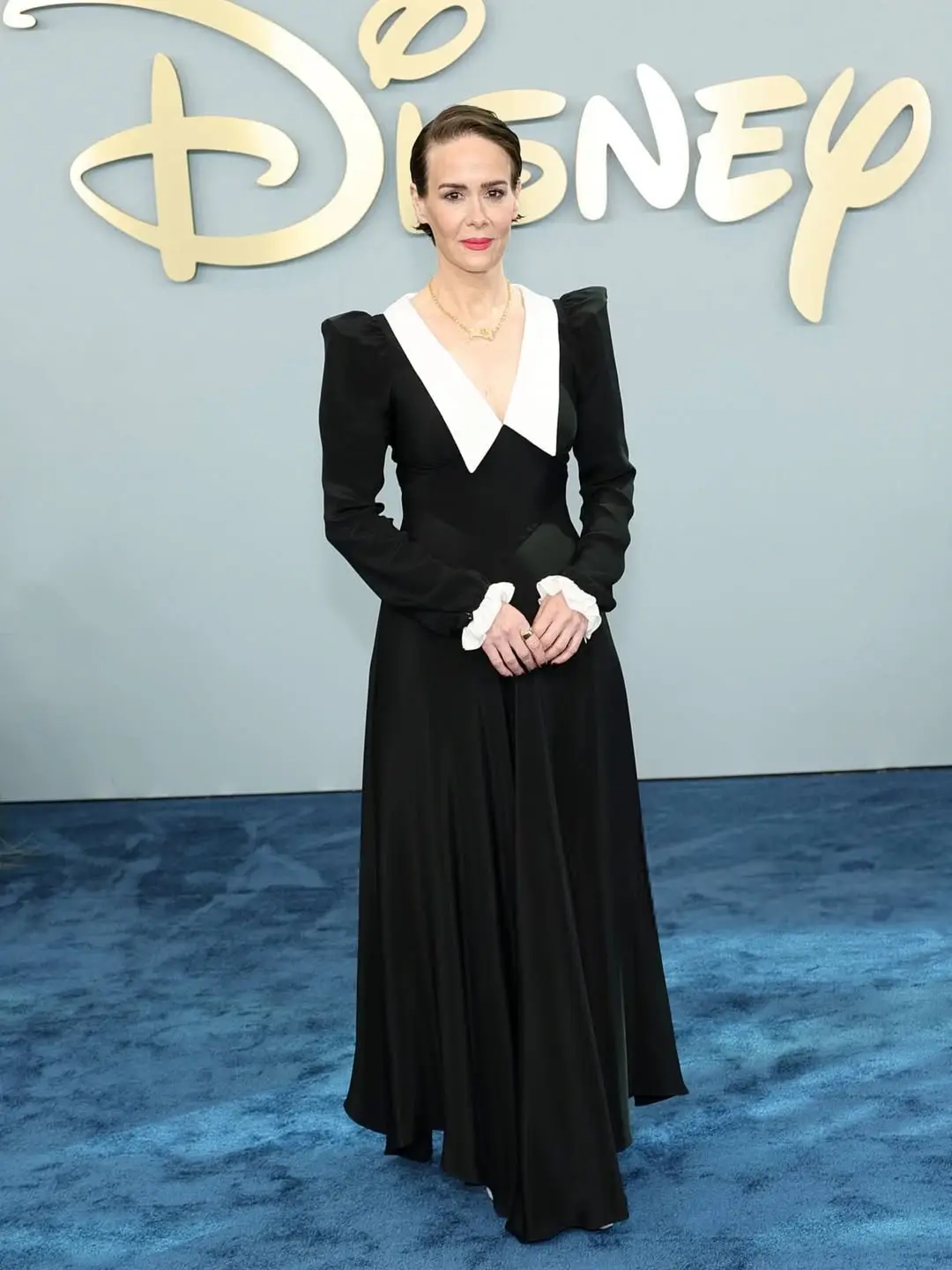
The outfit, featuring a dollar-bill-inspired blindfold paired with a distressed couture gown, quickly spread across social media, with users interpreting it as a visual metaphor for how extreme wealth can obscure awareness of real-world issues such as labor struggles and economic hardship.
Read More: Fallon Smythe
At the same time, the meme also took on an ironic meaning online, with many people using it to highlight the contradictions of “performative activism” inside highly exclusive, expensive events. This dual interpretation, both serious critique and satire, helped the image go viral and turn into a broader commentary on capitalism and celebrity culture.
The Ownership Of Condé Nast In 2026.
Condé Nast is owned by Advance Publications, a privately held American media company that has controlled the publisher since 1959. Advance Publications is fully owned by the Newhouse family, a powerful media dynasty that oversees the company’s long-term strategy and investments through private family governance.
While ownership remains within the family, the day-to-day global operations of Condé Nast are managed by its CEO, Roger Lynch, who oversees brands like Vogue, Vanity Fair, GQ, and The New Yorker.
This structure means Condé Nast is not publicly traded, and its influence in fashion and culture is shaped by both family ownership and professional executive leadership.
The Potential Impact Of A Condé Nast Takeover On Vogue And The Met Gala.
A potential takeover of Condé Nast would significantly reshape both Vogue and the Met Gala by accelerating the shift between fashion as cultural storytelling and fashion as commercial media.
As the parent company behind major publications like Vogue, Condé Nast currently operates at the intersection of editorial influence and luxury branding, but new ownership, especially from a tech or retail-driven corporation, could push the platform toward deeper digital integration and e-commerce.
In this scenario, fashion editorials could become more directly linked to online shopping experiences, while data and algorithms play a larger role in shaping what trends are promoted.
Continue Reading: Diana Silvers
Similarly, the Met Gala could evolve from an exclusive cultural fundraiser into a more heavily branded global media event, where corporate sponsorships and digital reach influence its direction as much as artistic expression.
The Reasons Lauren Sánchez’s Met Gala Entrance Was Poorly Received.
Lauren Sánchez’s Met Gala 2026 entrance was poorly received because it became entangled in broader controversy over billionaire influence, labor protests, and expectations for high-fashion creativity.
Walking the carpet alongside Amazon founder Jeff Bezos as one of the event’s honorary co-chairs, she was quickly interpreted by critics through a political lens, with many viewing her appearance as a symbol of wealth inequality and corporate power dominating elite cultural spaces.
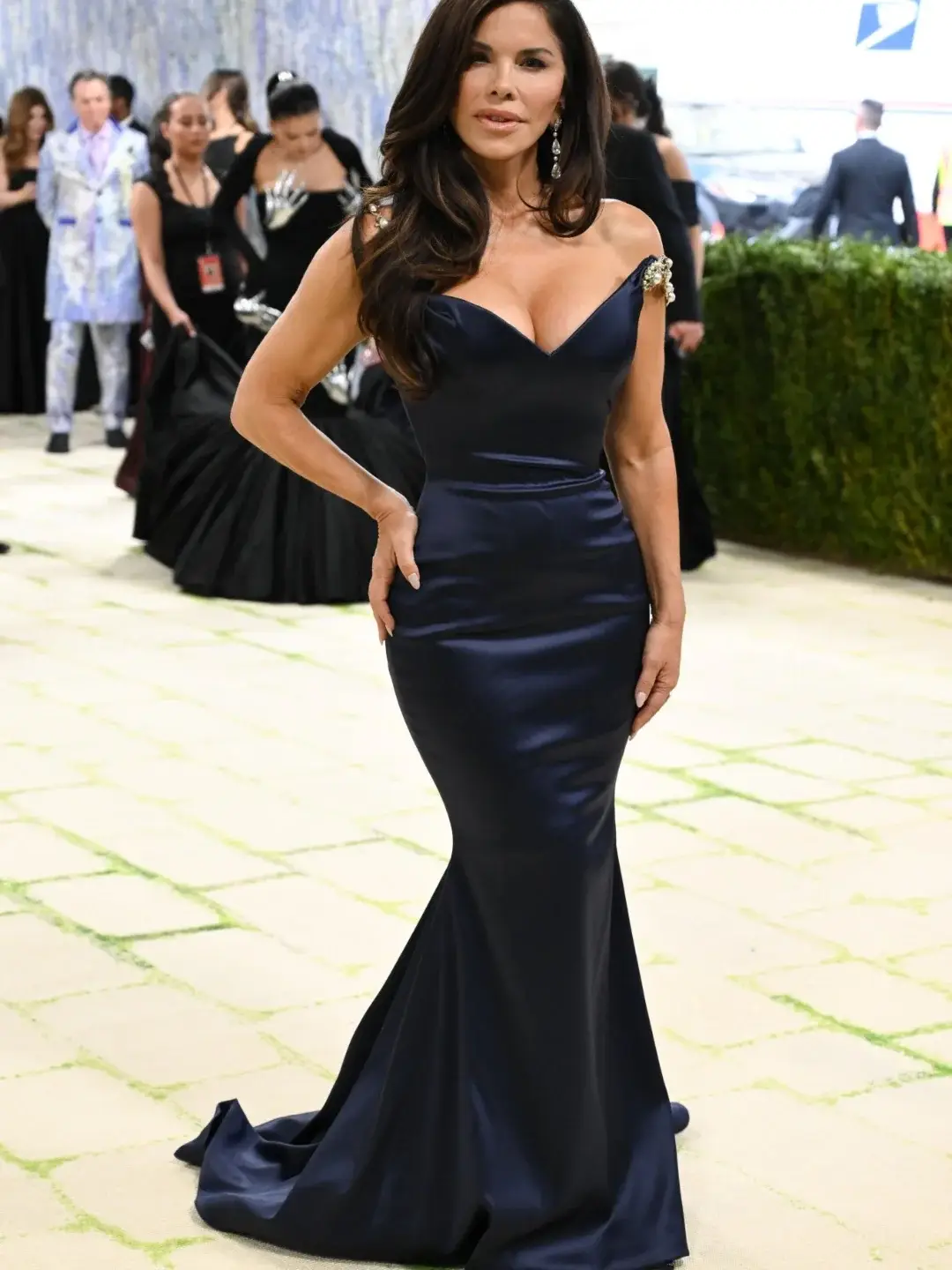
Her Schiaparelli gown, which referenced a historic painting, also drew mixed reactions. While it was intended as an elegant art-inspired statement, it was widely seen by fashion critics and online audiences as underwhelming compared to the Met Gala’s usual bold, experimental looks.
Combined with ongoing protests and celebrity boycotts tied to Bezos’s sponsorship, her entrance ended up being less about fashion and more about the larger cultural debate surrounding money, influence, and exclusivity in the industry.
The Meaning Of The Green Ribbon At The Met Gala 2026.
At the 2026 Met Gala, the green ribbon was widely seen as a symbol of sustainability and eco-conscious fashion rather than a traditional political badge.
The event emphasized environmental responsibility through its design choices, including a green, nature-inspired runway and a strong focus on recycled fabrics, biodegradable materials, and low-waste couture.
Discover More: Dominic Sessa
As a result, green came to represent a broader message of “sustainable luxury,” encouraging designers and attendees to rethink how fashion impacts the environment while also highlighting themes of renewal, balance, and ethical creativity in the industry.
Celebrity Involvement In The Protest Of The Met Gala 2026.
The Met Gala 2026 reportedly faced criticism and calls for a boycott due to concerns over billionaire influence, particularly involving Jeff Bezos and Lauren Sánchez as major sponsors.
Some celebrities were said to have skipped the event or distanced themselves in protest, while others expressed subtle disapproval online. As a result, the event became more than a fashion showcase, sparking a broader debate about wealth, power, and corporate influence in culture.
For More News, Entertainment, Follow CelebWikiCorner.

.webp&description=Why the 2026 Met Gala Boycott is Still Trending | Zendaya, Bella Hadid, and the Bezos Backlash)


