
.webp)
Mark Ruffalo has spent years using his platform to speak about politics, human rights, and corporate power. Now, the four-time Oscar nominee is at the center of a heated Hollywood dispute after Paramount Skydance accused him of invoking antisemitic tropes while criticizing its proposed acquisition of Warner Bros. Discovery.
The controversy began with Ruffalo’s criticism of the Ellison family, Oracle’s work with the Israeli military, and the potential consequences of combining two major media companies. Ruffalo has rejected Paramount’s accusation as “fundamentally dishonest,” while Jane Fonda, Hannah Einbinder, John Cusack, and other industry figures have defended him. Their responses have turned an already contentious merger into a wider debate about antisemitism, political speech, media consolidation, editorial independence, and thousands of Hollywood jobs.
Why Does Mark Ruffalo Oppose the Paramount-Warner Bros. Deal?
Warner Bros. Discovery shareholders approved the transaction in April 2026, and Paramount says it has received the regulatory clearances required under the merger agreement. However, the acquisition has not closed because it remains tied up in federal court. California and 11 other states are challenging the deal on antitrust grounds, while the Writers Guild of America has filed a separate lawsuit. As of August 27, California Attorney General Rob Bonta says no settlement talks with Paramount are currently scheduled.
Paramount argues that the combination would create a better-capitalized entertainment company capable of competing with larger streaming and technology businesses. The company has promised to produce at least 30 theatrical films annually and says the transaction would expand consumer choice and create long-term opportunities for creative talent. Critics dispute those claims and warn that Paramount’s projected cost savings could lead to layoffs and fewer buyers for film and television projects.
Mark Ruffalo has become one of the most prominent Hollywood figures opposing Paramount Skydance’s proposed $110 billion acquisition of Warner Bros. Discovery. He has raised concerns about job losses, reduced competition, the concentration of media ownership, and the editorial independence of news organizations such as CNN, which is owned by Warner Bros. Discovery. For Ruffalo, the issue goes beyond Hollywood business, as he argues that concentrating so much media power in fewer hands could affect workers, creators, audiences, and public discourse.
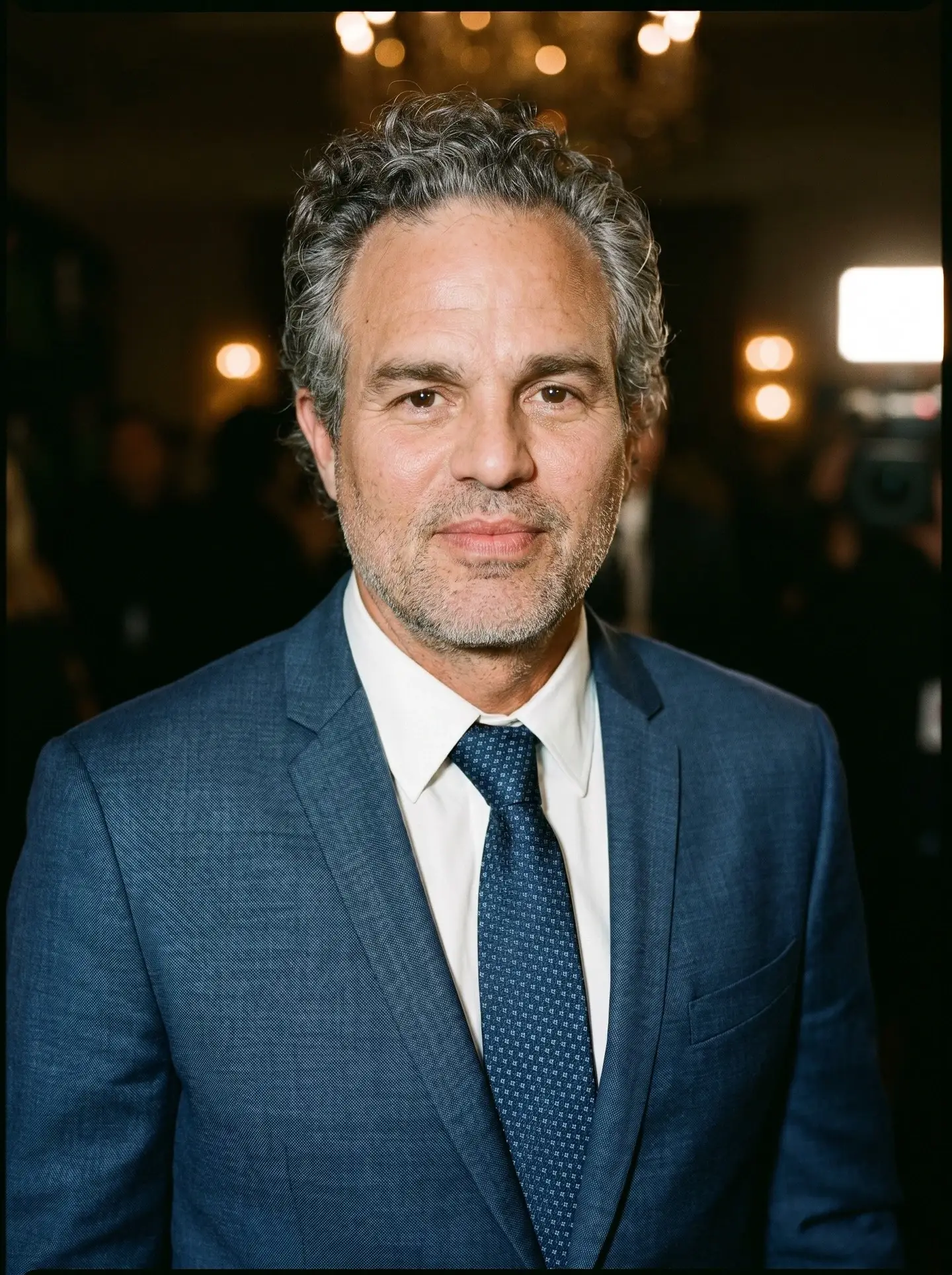
In the Instagram post that triggered the dispute, Ruffalo shared a video of Paramount board member and former Oracle CEO Safra Catz discussing technologies Oracle provided to the Israeli military after the October 7, 2023, Hamas attack. Ruffalo connected Oracle co-founder Larry Ellison, whose family is helping finance the acquisition, to the proposed media combination and described Israel’s actions in Gaza using the terms “genocide” and “apartheid.”
Paramount responded by saying it was troubled by what it described as ‘antisemitic tropes’ being invoked in a business dispute. Ruffalo has rejected the accusation as a dishonest attempt to distract from legitimate concerns about corporate power, while fellow celebrities, including Jane Fonda and John Cusack, have publicly supported his position.
If you love deep dives into massive streaming sensations, check out our breakdown of "Bradley Cooper & Gigi Hadid Married?" Paris Matching Rings, Relationship Timeline, and Ex-Wife Rumors
The exchange has added a politically charged public-relations dispute to an acquisition that was already facing opposition from state attorneys general, the Writers Guild of America, and more than 1,000 entertainment professionals.
Why Paramount Accused Ruffalo of Invoking Antisemitic Tropes
The Mark Ruffalo and Paramount feud took an even more explosive turn when the studio accused the actor of using “antisemitic” rhetoric while criticizing the proposed Warner Bros. Discovery merger. Paramount argued that Ruffalo’s comments connected the Ellison family’s wealth, Oracle’s work with Israel, and the massive media deal in a way that echoed harmful historical stereotypes about Jewish power and influence. What began as a debate over a corporate merger quickly became a much bigger fight over free speech, antisemitism, media ownership, and how far public criticism can go.
The criticism was later echoed by The Brigade, a Hollywood industry group that describes itself as representing nearly 1,000 members, friends, and allies of the Jewish community. The group argued that Ruffalo’s description of Jewish executives echoed longstanding stereotypes about Jewish wealth and influence. Ruffalo maintains that his criticism concerned specific corporate, military, and political actions rather than anyone’s Jewish identity.
Ruffalo, however, pushed back strongly, calling the accusation “fundamentally dishonest” and arguing that examining the political connections and business interests of billionaires involved in a major media deal is legitimate public scrutiny.
The disagreement now centers on two competing arguments: Paramount and The Brigade say Ruffalo’s language drew on harmful stereotypes, while Ruffalo and his defenders argue that the accusation is being used to discourage scrutiny of powerful executives and their business relationships.
"Fundamentally Dishonest": Mark Ruffalo Fires Back Against Antisemitism Claims
Mark Ruffalo has pushed back forcefully against Paramount’s accusations of antisemitism, calling the claims “fundamentally dishonest” and arguing that they distract from the issues he believes deserve public attention. The Oscar-nominated actor says his opposition to the proposed Warner Bros. Discovery merger is rooted in concerns about workers, corporate consolidation, media power, and free speech. Ruffalo has not withdrawn his criticism. Instead, he argues that criticism of an Israeli government policy, a military technology contract, or the executives involved should not be equated with hostility toward Jewish people.
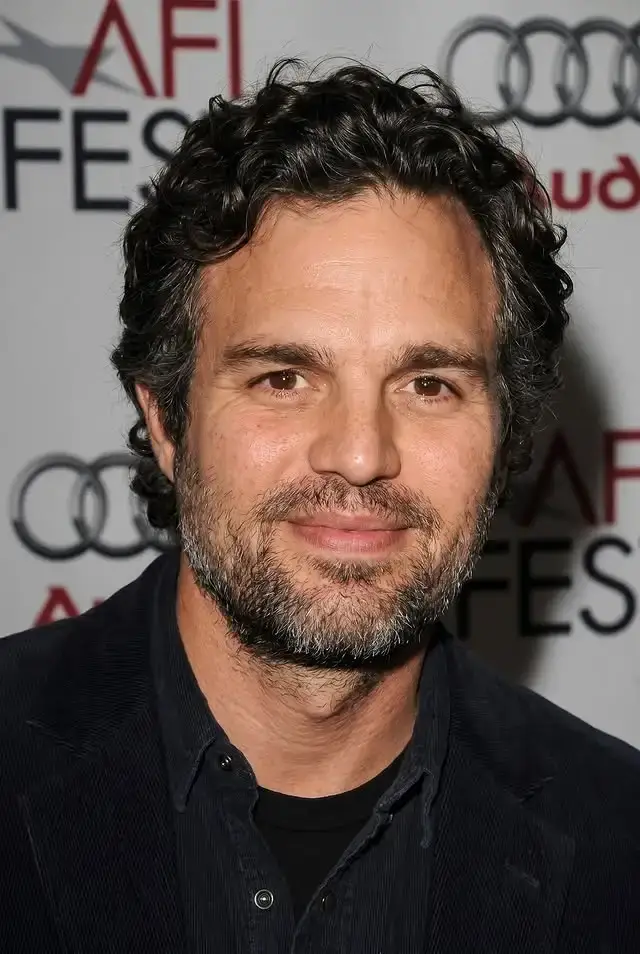
At the heart of Ruffalo’s response is his argument that questioning the business interests, political connections, and public records of billionaire executives is legitimate when they seek control of major media organizations. He also says the focus should remain on the merger's potential impact on Hollywood workers, with thousands of jobs at risk.
Trending Now: Check out our most-read story of the week, the “Integral Part of the Journey!” KATSEYE Breaks Silence on Manon Appearing in New ‘Wild Hearts’ Movie
His stance has drawn support from figures such as Jane Fonda and Hannah Einbinder, turning the dispute into a wider Hollywood debate over corporate power, artistic freedom, and the line between legitimate criticism and accusations of prejudice.
Jane Fonda and Other Hollywood Figures Respond to the Ruffalo–Paramount Dispute
Jane Fonda and the Committee for the First Amendment publicly defended Ruffalo, describing Paramount’s response as a ‘smear’ intended to delegitimize criticism of the acquisition. Fonda argued that antisemitism is real and dangerous but should not be used to silence political criticism. Hannah Einbinder, who is Jewish and has publicly advocated for Palestinians, also defended Ruffalo’s right to question the Ellisons’ business and political connections.
Her public defense has added even more star power to the growing opposition, as actors, filmmakers, and other creatives question what greater media consolidation could mean for Hollywood workers and independent voices. The dispute has now moved beyond Ruffalo and Paramount, exposing a much deeper divide over corporate power, free speech, and the future of the entertainment industry.
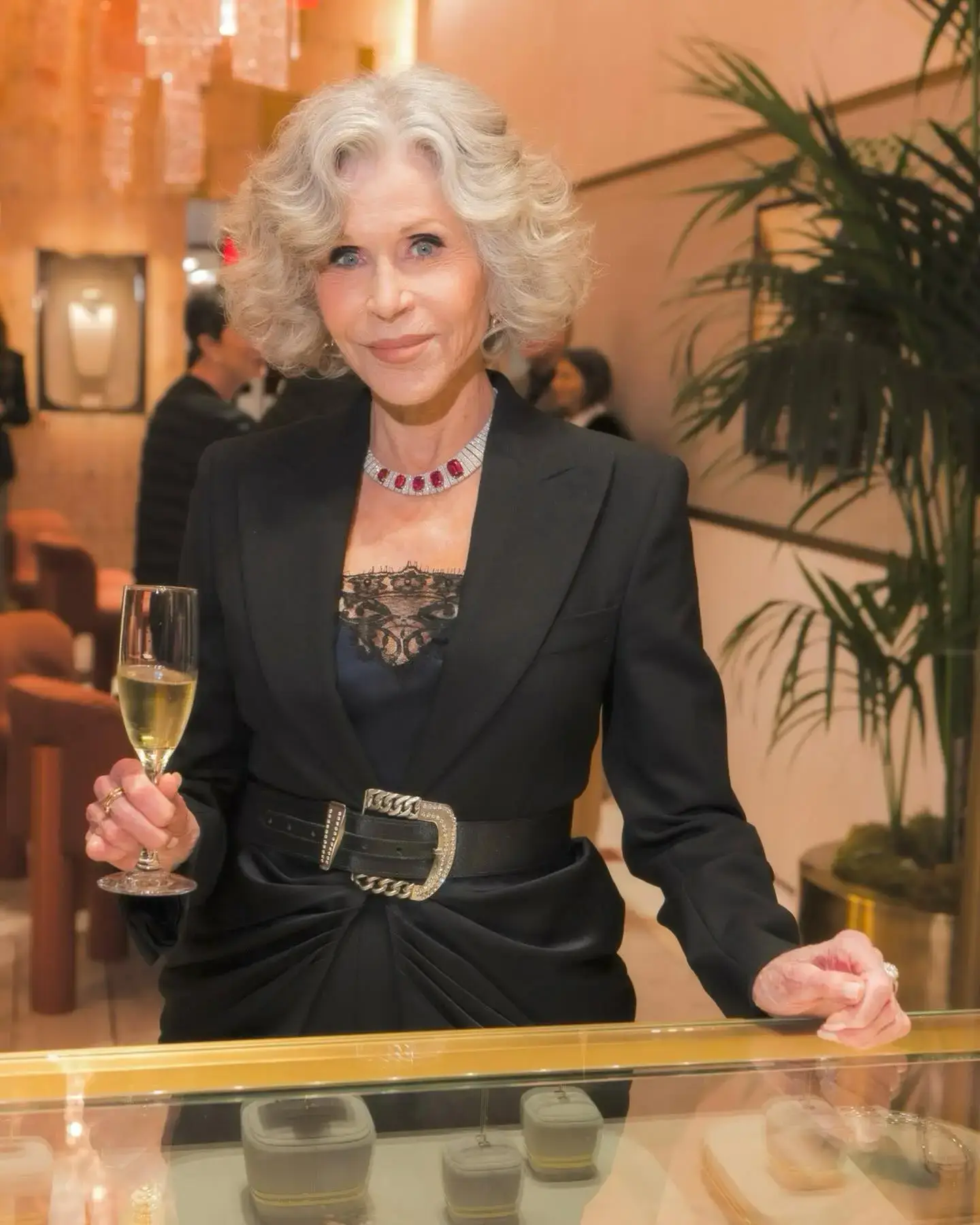
On one side, Fonda, Einbinder, Ruffalo, and more than 1,000 film and television professionals have publicly opposed the acquisition over concerns about jobs, competition, and concentrated media ownership. On the other hand, Paramount and supporters of The Brigade argue that Ruffalo’s comments crossed a line and risk reinforcing harmful antisemitic stereotypes.
Read More: Stay updated with our latest features in the Entertainment Category
The dispute has widened an already contentious debate about whether the acquisition would strengthen two companies competing with larger technology platforms or further reduce competition, employment, and independent decision-making within Hollywood.
For More News, Entertainment, Follow CelebWikiCorner.
.webp)
.webp)
.webp)
.webp)
.webp)
.webp)
.webp)
.webp)
.webp)
.webp&description=Mark Ruffalo Paramount Feud | Jane Fonda Defense, Antisemitism Claims & Merger News)
.webp&description=Entertainment)
.webp&description=Entertainment)
.webp&description=Entertainment)
.webp&description=Entertainment)
.webp&description=Entertainment)
.webp&description=Entertainment)
.webp&description=Entertainment)
.webp&description=Entertainment)
.webp&description=Entertainment)