
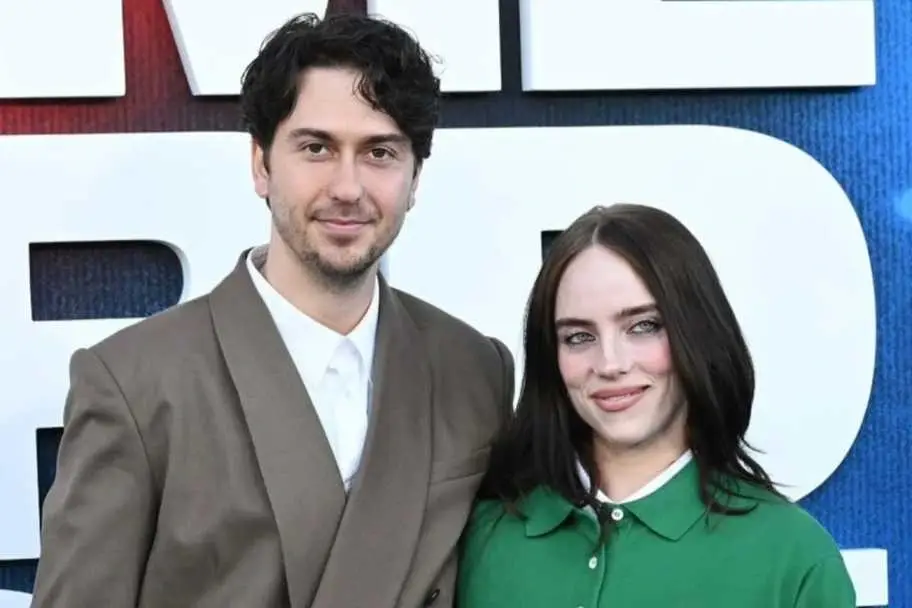
Billie Eilish and Nat Wolff recently drew major attention after their red-carpet debut, which quickly went viral on social media. Both have built fast-rising careers in music and film, with Billie known for her bold artistic style and Nat Wolff recognized for his steady transition from child actor to multi-talented performer. Their appearance together sparked curiosity about their chemistry and whether it signals anything beyond a public outing.
But why are fans suddenly framing this moment as controversy instead of connection? Why does every interaction between celebrities now get pulled into debates about “queerbaiting controversy 2026” and authenticity? Is the audience reading too much into a simple red carpet appearance, or is there something more fueling the speculation?
Billie Eilish’s Bisexuality And Attraction To Both Genders.
Billie Eilish has openly shared that she feels attraction toward both men and women, while also making it clear that she does not feel the need to label her sexuality in a strict way.
In interviews, she has described her feelings in a natural and straightforward manner, emphasizing that she is drawn to people based on emotional and personal connection rather than gender alone.
You May Like: Bianca Butti - evolving artistry and public influence
Over time, this intense public openness has frequently sparked massive online discourse, with tabloids and social media threads constantly analyzing her dating history. Even though she has not consistently used that specific label herself, Billie continues to focus on expressing herself freely while keeping the intimate mechanics of her relationships private.
Debate Over 'Lunch' And Queer Identity Vs Marketing.
The public debate over Billie's transparency reached a boiling point with the release of her smash-hit single 'Lunch.' While the track quickly became an anthem for fans, critics and skeptics immediately questioned whether the song’s overt queer themes were a genuine expression of identity or a calculated industry marketing strategy designed to capitalize on her personal life.
She has explained in interviews that her song “Lunch” came from a deeply personal journey of self-discovery rather than any marketing strategy, with parts written before and after her first same-sex experience, helping her process emotions and better understand herself.
While public discussion has sometimes questioned her intentions due to the timing of interviews and media attention, Billie has consistently emphasized that her experiences are genuine and not manufactured for publicity. She has expressed discomfort with how her private growth is often reduced to speculation rather than understood as a natural part of her life and artistic expression.
Authenticity Concerns After Her Red Carpet Appearance.
Billie Eilish has recently been at the center of debates about authenticity after her red carpet appearance at the 2026 Grammy Awards, where she used her platform to speak out on social and political issues, including strong comments on immigration and a message about “stolen land,” which sparked both praise and criticism online.
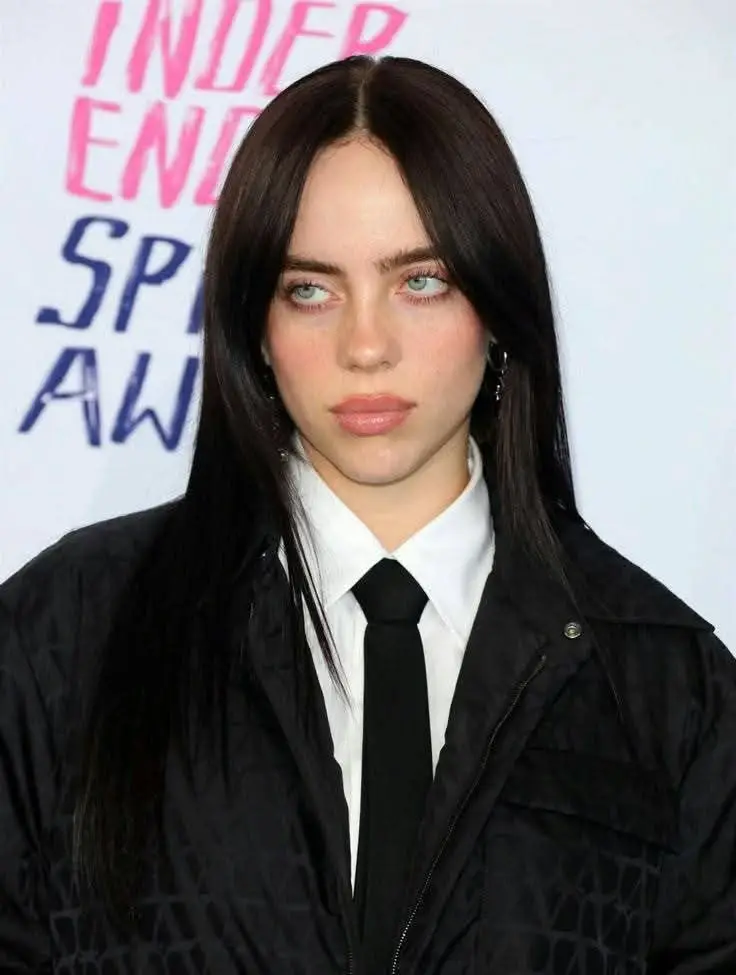
While many supporters view her activism as bold and meaningful, others have questioned whether her public stance aligns with her personal lifestyle, particularly citing discussions about her wealth and ownership of a luxury property in Los Angeles, which have fueled accusations of hypocrisy and performative activism.
Learn More: Brayden Lape , his latest career updates and fan profile
At the same time, this conversation is not new, as Billie has long faced public scrutiny over her identity, fashion evolution, and personal statements, with earlier debates around her sexuality and shifting style also leading some to question whether her image is fully authentic or simply evolving over time.
Finneas’s “Cartoonishly Evil Men” Comment On Critics.
Finneas O'Connell used the phrase “cartoonishly evil men” to criticize what he saw as an extreme and disproportionate backlash against his sister, Billie Eilish, following her 2026 Grammy acceptance speech, in which she spoke about empathy and immigration issues.
Through his posts on social media, he expressed frustration that powerful commentators and media figures were reacting with intense hostility to what he viewed as a simple message about human compassion, suggesting that the level of outrage felt was exaggerated and out of touch with the intent behind her words.
Whether Billie Eilish’s Music Is Authentic Or Industry-Made.
Billie Eilish is often praised for the authenticity of her music, which is largely created through close, minimal collaboration with her brother, Finneas O'Connell, rather than with a large team of industry writers and producers.
Many of her early songs were developed in a home studio, where experimentation and personal expression shaped her distinctive sound rather than conventional pop formulas.
Continue Reading: Blake Lively Leaked Emails | Inside the 2026 PR Crisis and the 'It Ends With Us' Fallout
While some critics question her rapid rise and industry support, supporters argue that her artistry remains deeply personal, emotionally honest, and self-driven, with major-label backing primarily supporting distribution rather than the creative process itself.
Overview Of Hit Me Hard And Soft: The Tour (Live In 3D).
Billie Eilish’s Hit Me Hard and Soft: The Tour (Live in 3D) is an immersive concert film co-directed with filmmaker James Cameron that transforms her live world tour into a cinematic experience using advanced 3D technology.
Instead of a traditional concert recording, the film places viewers directly inside the performance, using dynamic camera angles that move across the stage, through the set design, and through the crowd, creating a more personal and immersive feel.
It focuses on her raw live performance style, highlighting her vocals and emotional delivery without relying on dancers or heavy stage theatrics, while also showcasing the strong connection between Billie and her fans.
James Cameron’s Role In The 3D Concert Film Transformation.
Billie Eilish’s Hit Me Hard and Soft: The Tour (Live in 3D) was transformed into a highly immersive concert experience through the innovative direction of James Cameron, who used advanced 3D filming techniques to bring audiences directly into the live show.
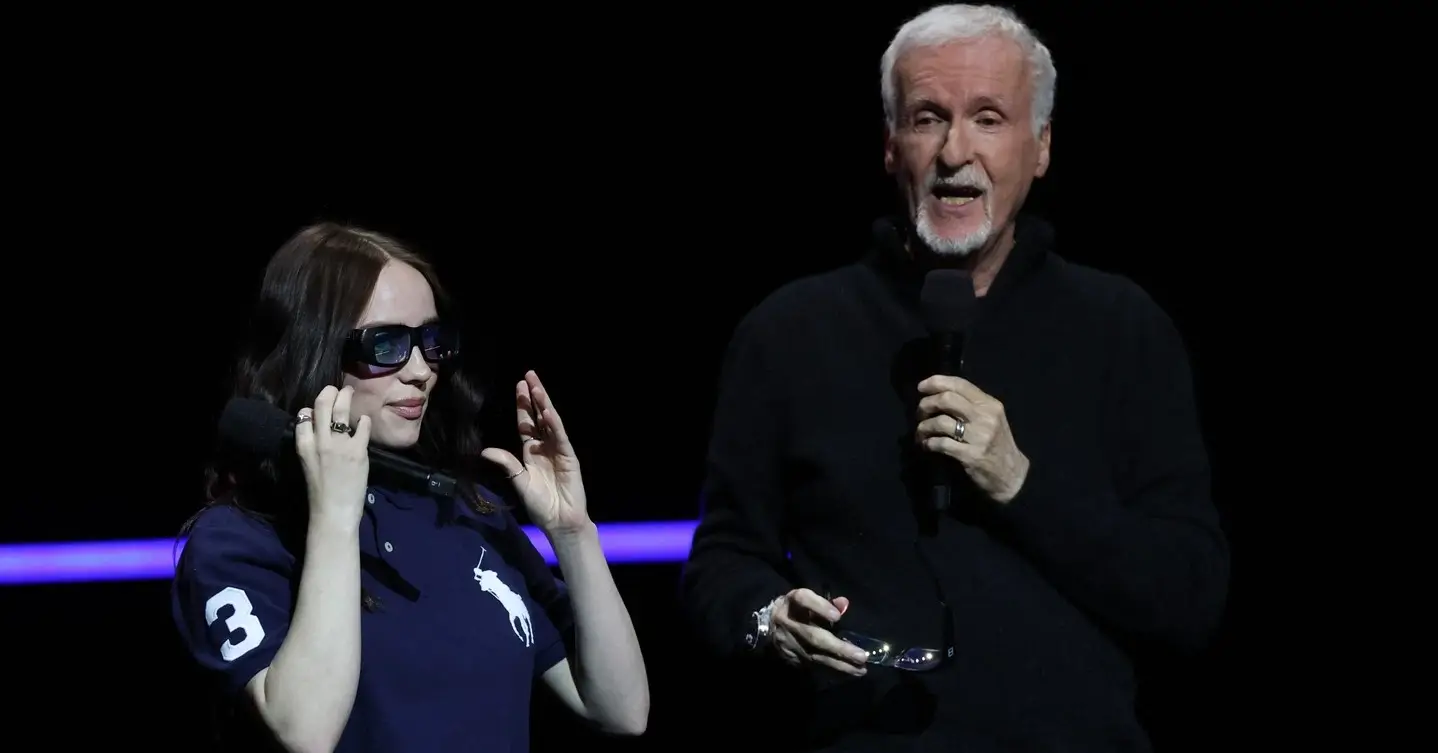
Instead of a standard concert recording, the production employed specialized stereoscopic camera systems positioned across the stage and arena to capture both wide crowd shots and intimate close-ups, making viewers feel as if they were physically inside the performance.
Custom-built compact rigs were also used to allow cameras to move naturally with Billie on stage without disrupting her performance. The result is a visually rich experience that blends live music with cinematic technology, offering fans a completely new way to experience her tour.
How Tourette’s Brought Billie Eilish And Nat Wolff Closer.
Billie Eilish and Nat Wolff reportedly grew closer after discovering they both live with Tourette’s Syndrome, a condition that can make public life especially challenging due to involuntary tics and the pressure to “mask” in front of others.
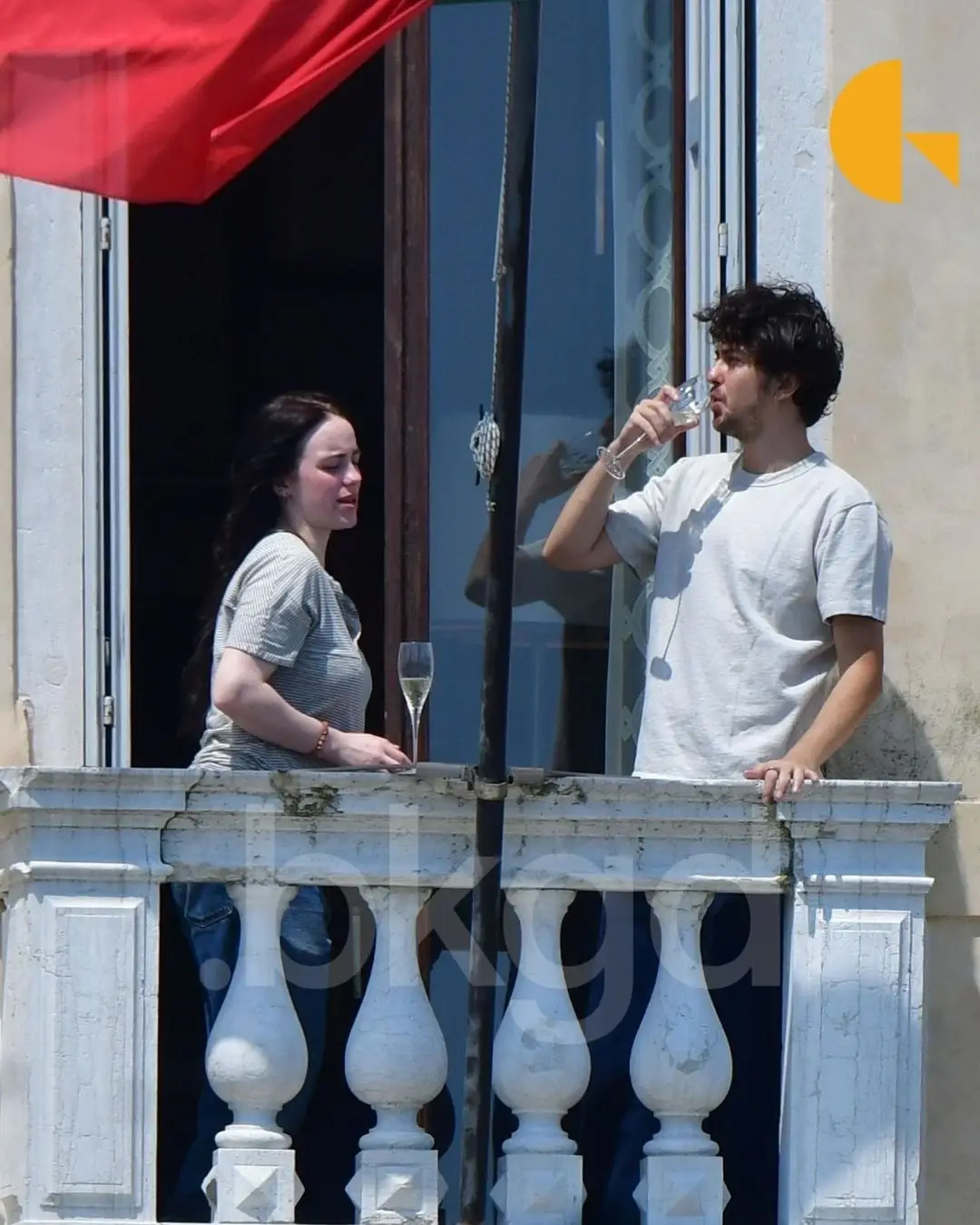
This shared experience is said to have created an immediate sense of comfort and understanding between them, allowing both to feel more at ease without constantly managing or hiding symptoms in social settings.
Over time, this mutual understanding developed into a stronger personal and creative bond, built on empathy, trust, and a rare sense of being fully understood in an industry that often feels highly public and controlled.
For More News, Entertainment, Follow CelebWikiCorner.
.webp)
.webp)
.webp)
.webp)
.webp)
.webp)
.webp)
.webp)
.webp)

.webp&description=Entertainment)
.webp&description=Entertainment)
.webp&description=Entertainment)
.webp&description=Entertainment)
.webp&description=Entertainment)
.webp&description=Entertainment)
.webp&description=Entertainment)
.webp&description=Entertainment)
.webp&description=Entertainment)